Hantavirus-stricken cruise passengers to disembark Sunday after outbreak aboard Hondius
Three deaths aboard the Hondius have prompted a Tenerife disembarkation as officials track an Andes virus outbreak across a voyage that began in Ushuaia.

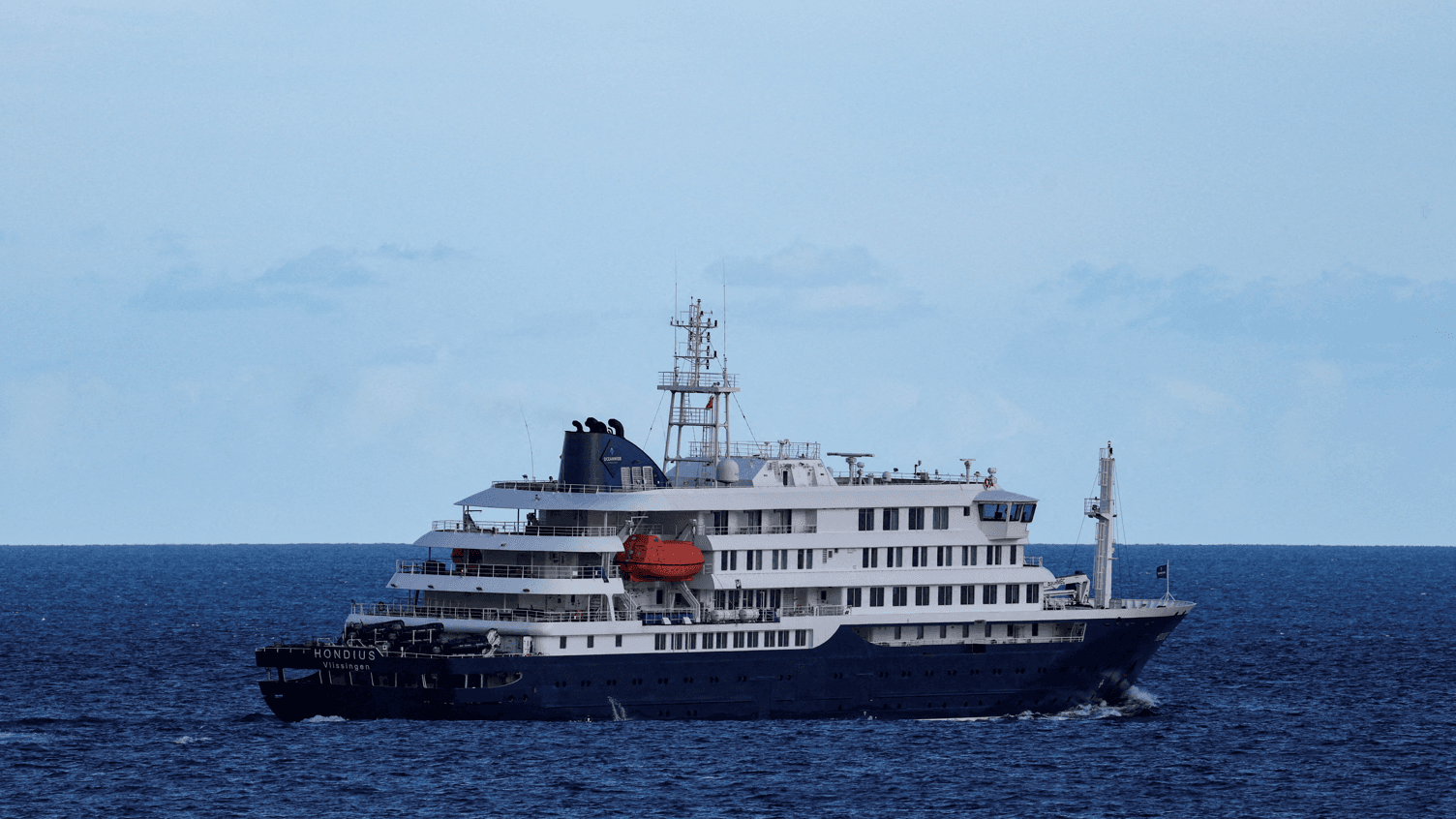
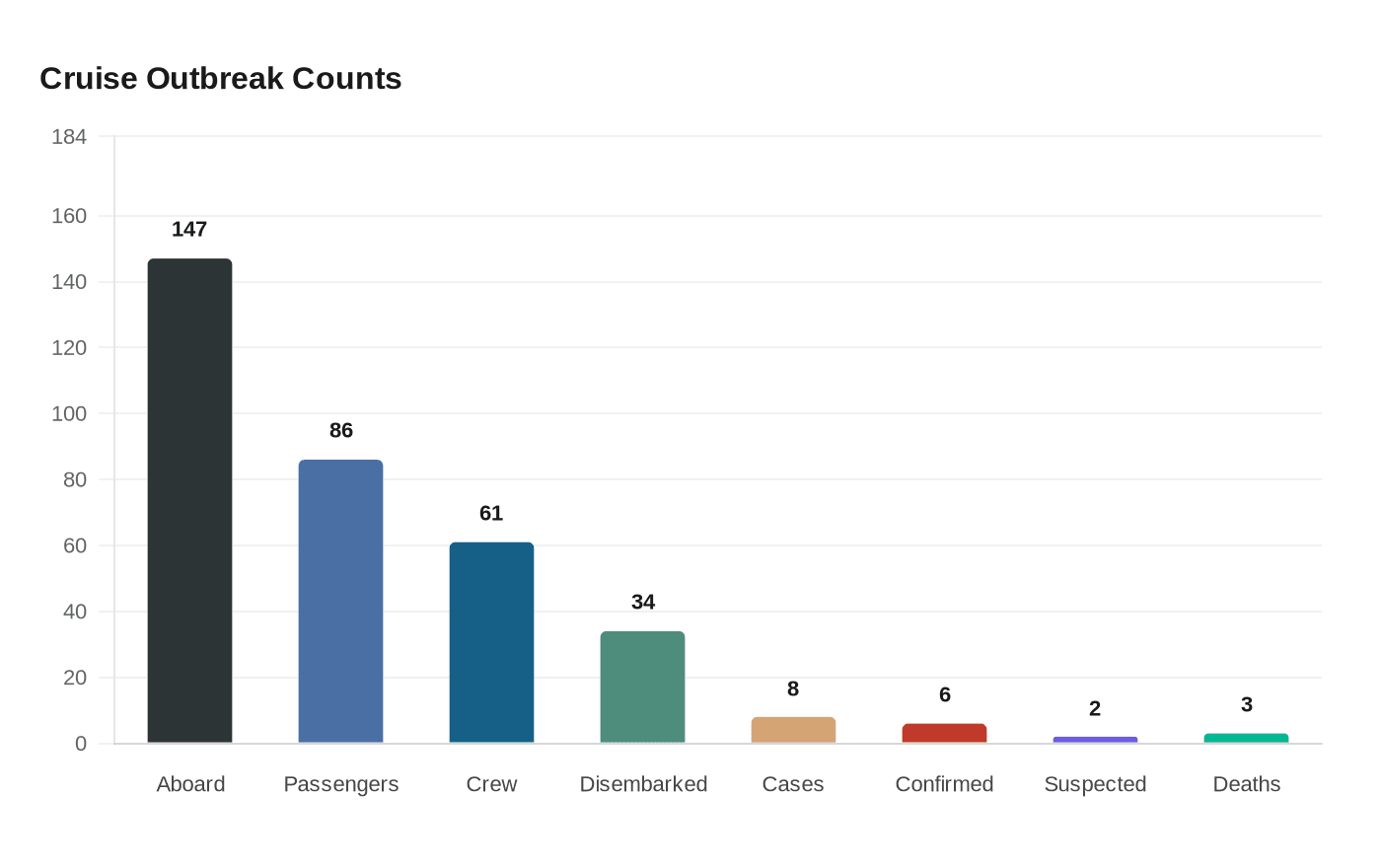
Passengers aboard the Dutch-flagged M/V Hondius were set to disembark in Tenerife, Spain, on Sunday after an Andes virus outbreak on the ship grew to eight cases and three deaths. The cruise, which left Ushuaia, Argentina, on April 1 with 147 people aboard, 86 passengers and 61 crew from 23 countries, has become a test of how quickly cruise operators and health authorities can trace a dangerous infection in a closed travel setting.
Hantavirus is not spread the way a typical stomach bug or cold is spread. The Andes virus, the strain identified by the World Health Organization, is carried by rodents and is the only known hantavirus with documented limited human-to-human transmission, generally requiring close and prolonged contact. CDC guidance says passengers and crew should watch for fever, gastrointestinal symptoms, rapidly progressing pneumonia, acute respiratory distress syndrome and shock.
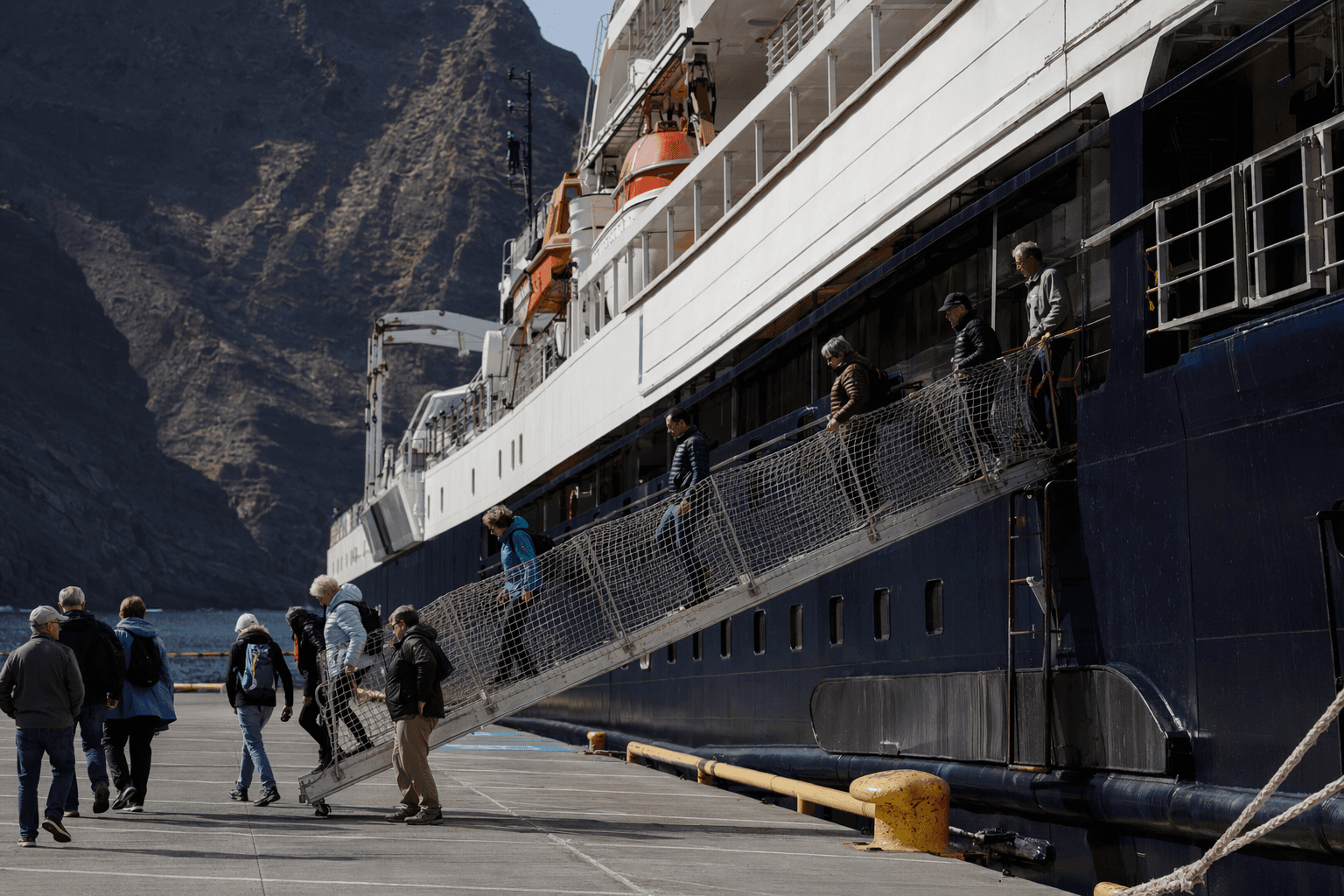
The timeline has raised more questions than answers. The World Health Organization said it first heard about the cluster on May 2, after severe respiratory illness emerged on board, and said illness onset occurred between April 6 and April 28. By May 8, WHO said there were eight cases total, including three deaths, with six confirmed and two suspected. Oceanwide Expeditions said 34 passengers and crew had already disembarked before the ship reached the Canary Islands, and it separately noted that one passenger died on April 11, was disembarked on St. Helena on April 24, and later tested positive for hantavirus. Officials have not publicly tied the exposure to a single moment aboard ship or ashore.
For U.S. travelers, the federal response has been tightly managed. CDC said the risk to the American public remained extremely low, but the agency and the State Department were coordinating repatriation of American passengers after an exposure-risk assessment in the Canary Islands. The plan called for U.S. travelers to go first to Offutt Air Force Base in Omaha, Nebraska, then to the National Quarantine Center at the University of Nebraska, Omaha.
The episode has also exposed the difficulty of communicating clearly while a crisis is still unfolding. With passengers already off the vessel before the outbreak was fully understood, and with the voyage stretching from April 1 through the onset window in late April, the public account has depended on evolving manifests, case counts and health advisories. What remains clear is that officials see a serious outbreak requiring quarantine logistics, while still describing the wider public-health risk as low.
This article was produced by Prism’s automated news system from verified source data, official records, and press releases, then run through automated quality and moderation checks before publishing. The system is built and supervised by the people who set the standards it runs under. Read our full AI policy.
Did this article answer your question?