Hantavirus warning grows after Arizona photojournalist's near-fatal infection
After cleaning his family house in 2002, Arizona photojournalist Gilbert Zermeño got hantavirus too, a reminder that rodent droppings can turn routine cleanup deadly.
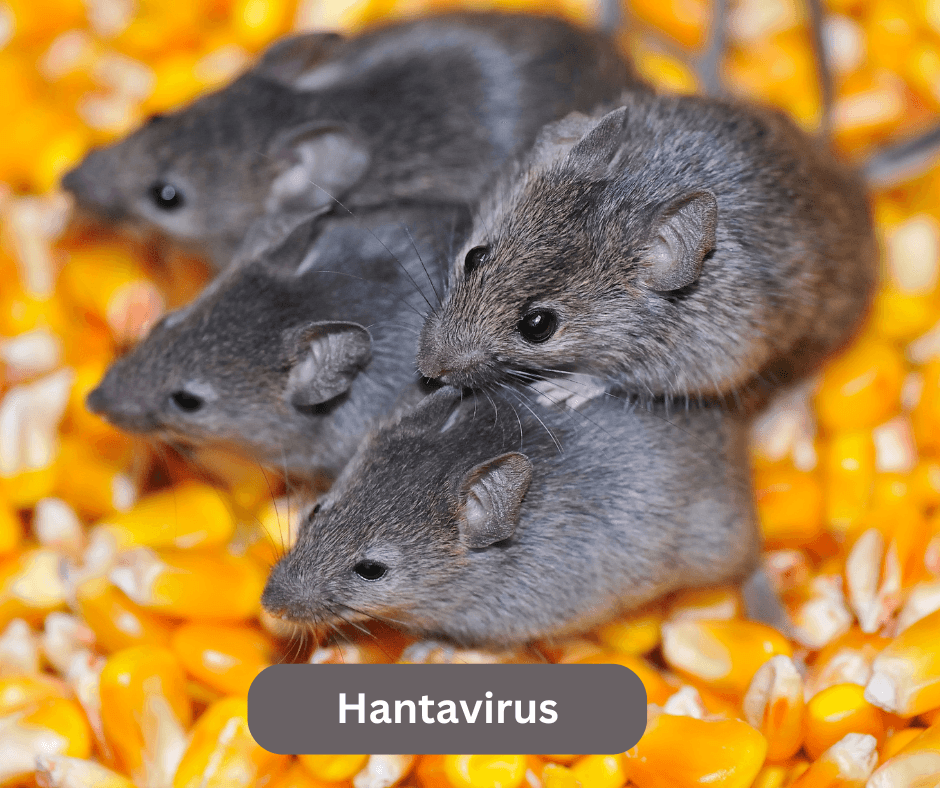
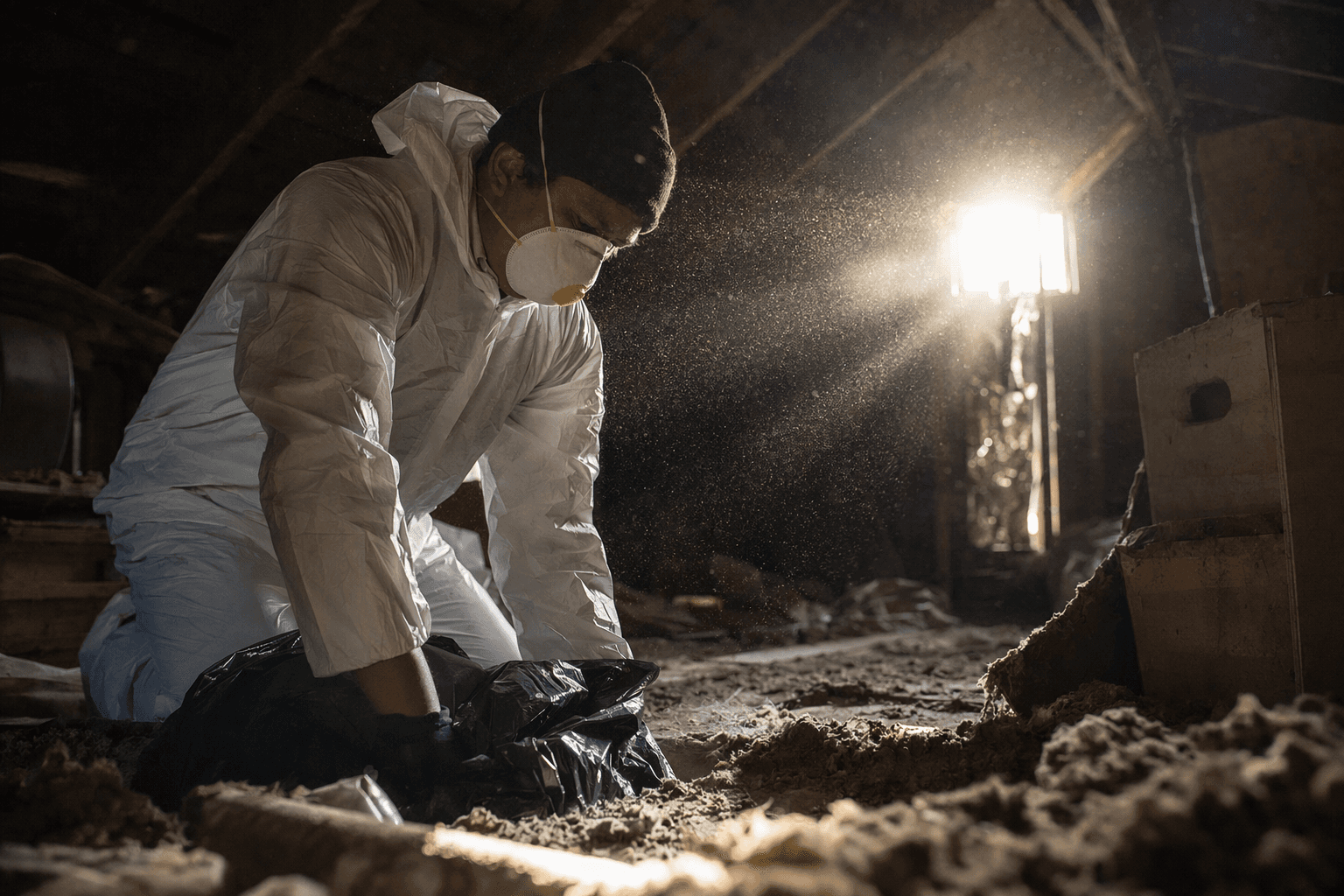
Gilbert Zermeño was cleaning out his family house after the deaths of his mother and sister when he learned he had contracted hantavirus as well. The Arizona photojournalist, who later spent several days in a Phoenix hospital, had been exposed to rodent droppings before becoming infected, a chain of events that now sits at the center of a broader public-health warning.
The Centers for Disease Control and Prevention says hantaviruses are a family of viruses that can cause serious illness and death, and that people can become infected from infected rodents or their droppings. The agency advises special precautions when cleaning areas contaminated by rodents, because the danger is not limited to direct contact with animals. In the United States, the severe form of the disease, hantavirus pulmonary syndrome, can begin with flu-like symptoms and then worsen within days to coughing and shortness of breath.
The CDC says symptoms of HPS usually appear one to eight weeks after contact with an infected rodent. About half of patients also report headaches, dizziness, chills and abdominal problems, a pattern that can make the illness easy to mistake for another infection until breathing becomes compromised.
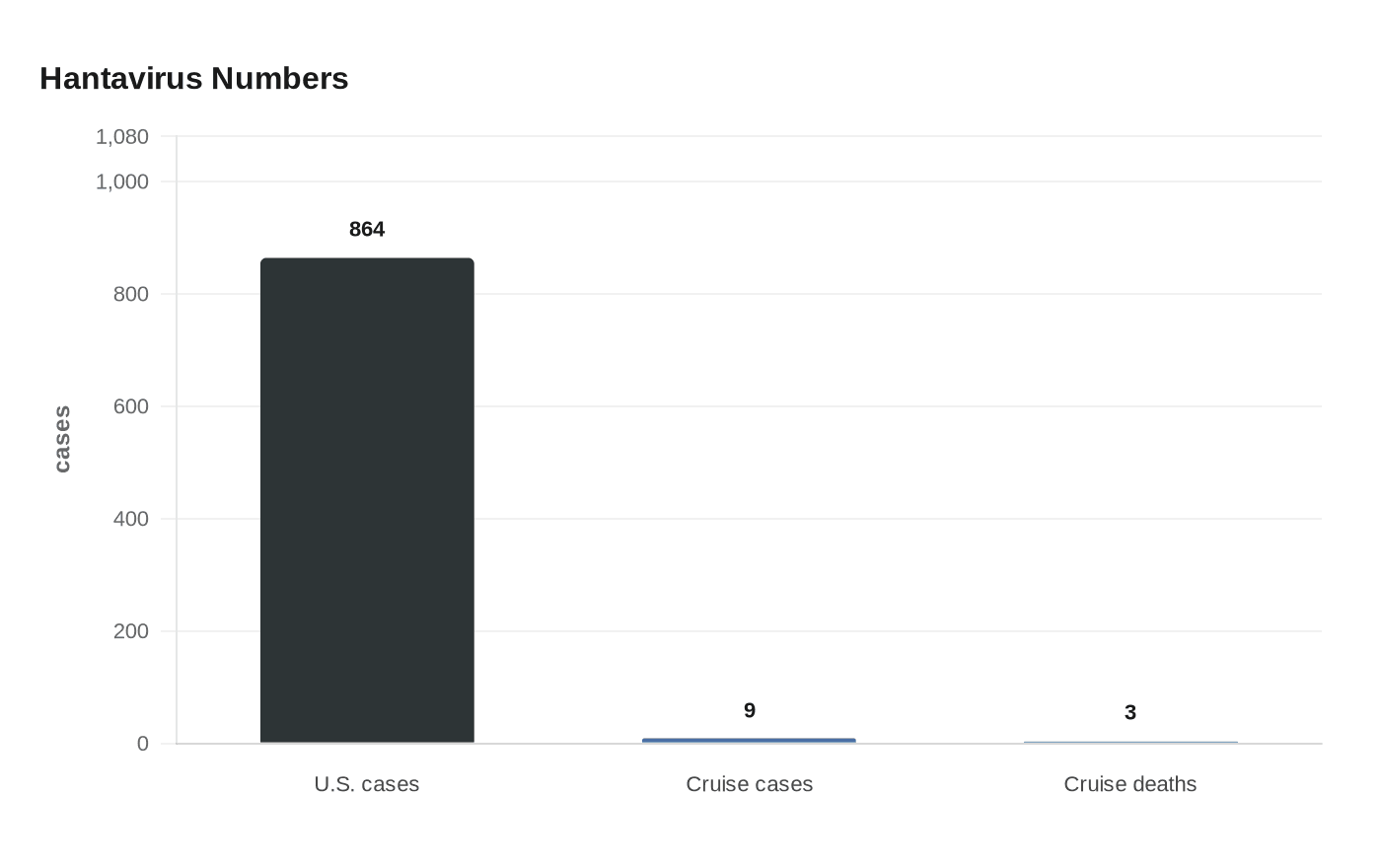
The scale of the disease remains small but persistent. The University of Arizona Cooperative Extension says the CDC documented 864 U.S. hantavirus cases from the start of surveillance in 1993 through December 2022. It says more than 60 additional cases were reported from January 2023 through December 2024 in Arizona, Colorado, New Mexico, Washington and California. Those figures show that the virus has not disappeared even as many Americans rarely think about it outside of rural cleanup work or seasonal rodent activity.
Zermeño’s experience is resonating again as health warnings intensify around a recent hantavirus outbreak under international monitoring that has included nine confirmed or suspected cases and three deaths on a Dutch-flagged cruise ship. That episode has pushed a little-known virus back into public view, while Zermeño’s near-fatal infection remains a stark example of how quickly a home cleanup can turn into a medical emergency.
This article was produced by Prism’s automated news system from verified source data, official records, and press releases, then run through automated quality and moderation checks before publishing. The system is built and supervised by the people who set the standards it runs under. Read our full AI policy.
Did this article answer your question?