Hany Farid warns AI deepfakes are reshaping trust in reality
Hany Farid says deepfakes have jumped from fake clips to live, interactive calls, leaving courts, newsrooms and citizens unable to trust video proof.

Hany Farid has spent about two decades studying manipulated media, but even he says the ground has shifted beneath the work. In a spring 2026 UC Berkeley talk, the digital forensics expert and GetReal Security co-founder described a world moving from fake files that were difficult enough to spot into “full-blown interactive deepfakes” that can carry on a live conversation in real time.
That change, Berkeley materials say, is not just a matter of sharper fake photos or polished clips. The deepfakes of 2026 can show up as live video calls, convincing voice recordings and other synthetic media that blur the line between evidence and fabrication. Farid, whom Berkeley and Science have described as a go-to authority on whether images or videos have been manipulated, said the pace of change over the last year or two has been “breathtaking.”
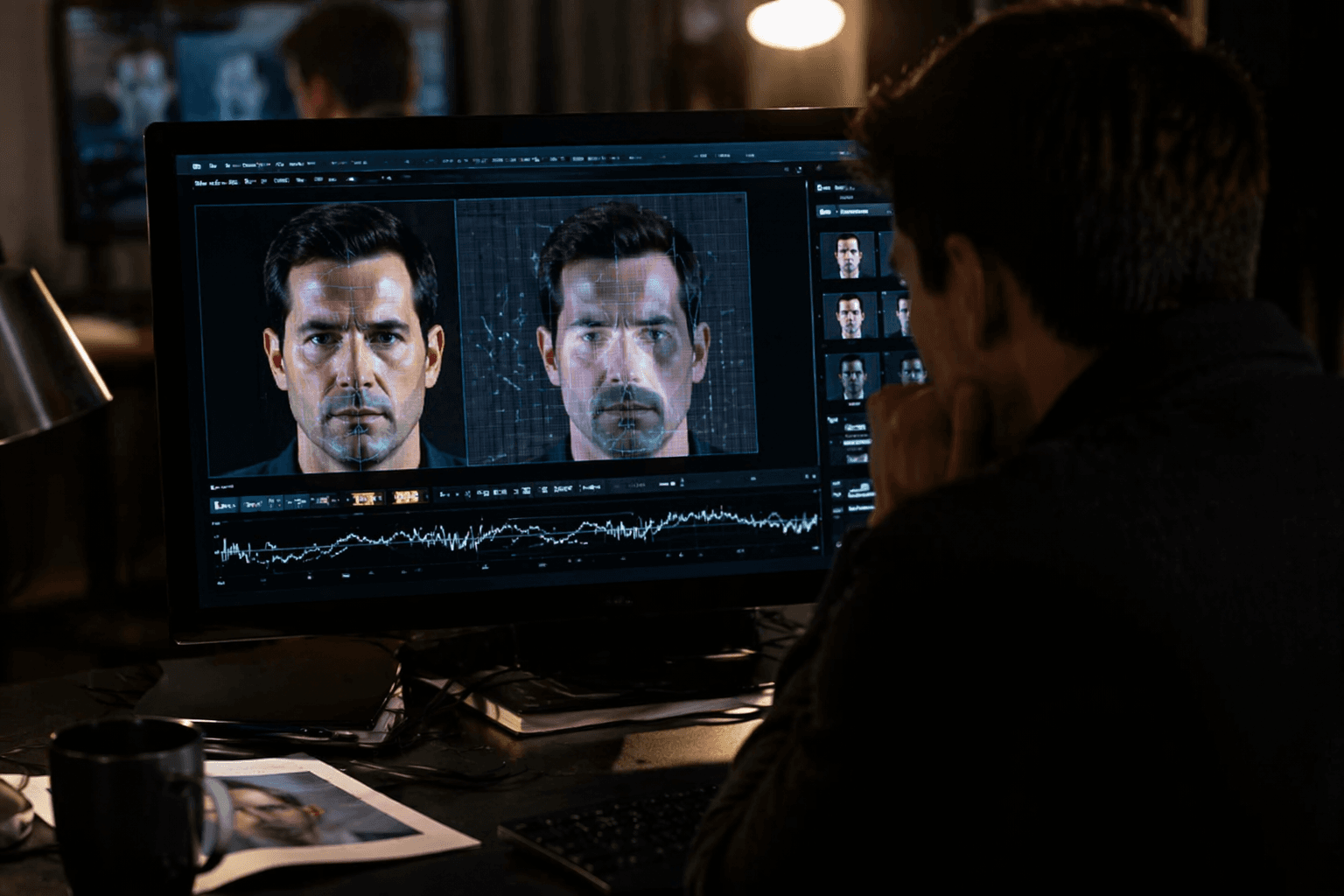
The practical problem is that courts, campaigns, newsrooms and companies now have to verify authenticity before false material spreads widely. That is a major break from the old model, when post-publication debunking could sometimes catch up with a manipulated image or video. Now the challenge is real time, and the technology is evolving fast enough that detection tools are in a constant race with the generators. Farid’s warnings came as Science coverage in 2026 described AI-generated images as leaving people questioning what is real and pointed to the continuing struggle to identify fake content.
Farid has also warned that the damage goes beyond bogus clips themselves. The “liar’s dividend” gives bad actors a ready-made excuse to dismiss authentic evidence as fake, making it easier to deny real recordings, real photos and real wrongdoing. That dynamic threatens the basic assumptions that underpin legal proceedings, political messaging and breaking news, where a single video can still shape public opinion in minutes.
Berkeley’s descriptions of Farid’s talk framed the issue bluntly: the deepfake problem is undermining public trust and reshaping the ability to discern truth online. After years of studying image manipulation, Farid is now making a more unsettling point for 2026: the public should stop assuming that seeing or hearing something means it is real. In the age of interactive deepfakes, video proof is no longer proof by itself.
This article was produced by Prism’s automated news system from verified source data, official records, and press releases, then run through automated quality and moderation checks before publishing. The system is built and supervised by the people who set the standards it runs under. Read our full AI policy.
Know something we missed? Have a correction or additional information?
Submit a Tip