Harvard graduate student union sets April 21 strike deadline amid talks
Harvard’s 3,900 grad workers set a 9 a.m. April 21 strike start, warning stalled talks on pay, visa protections and harassment arbitration could halt teaching and lab work.
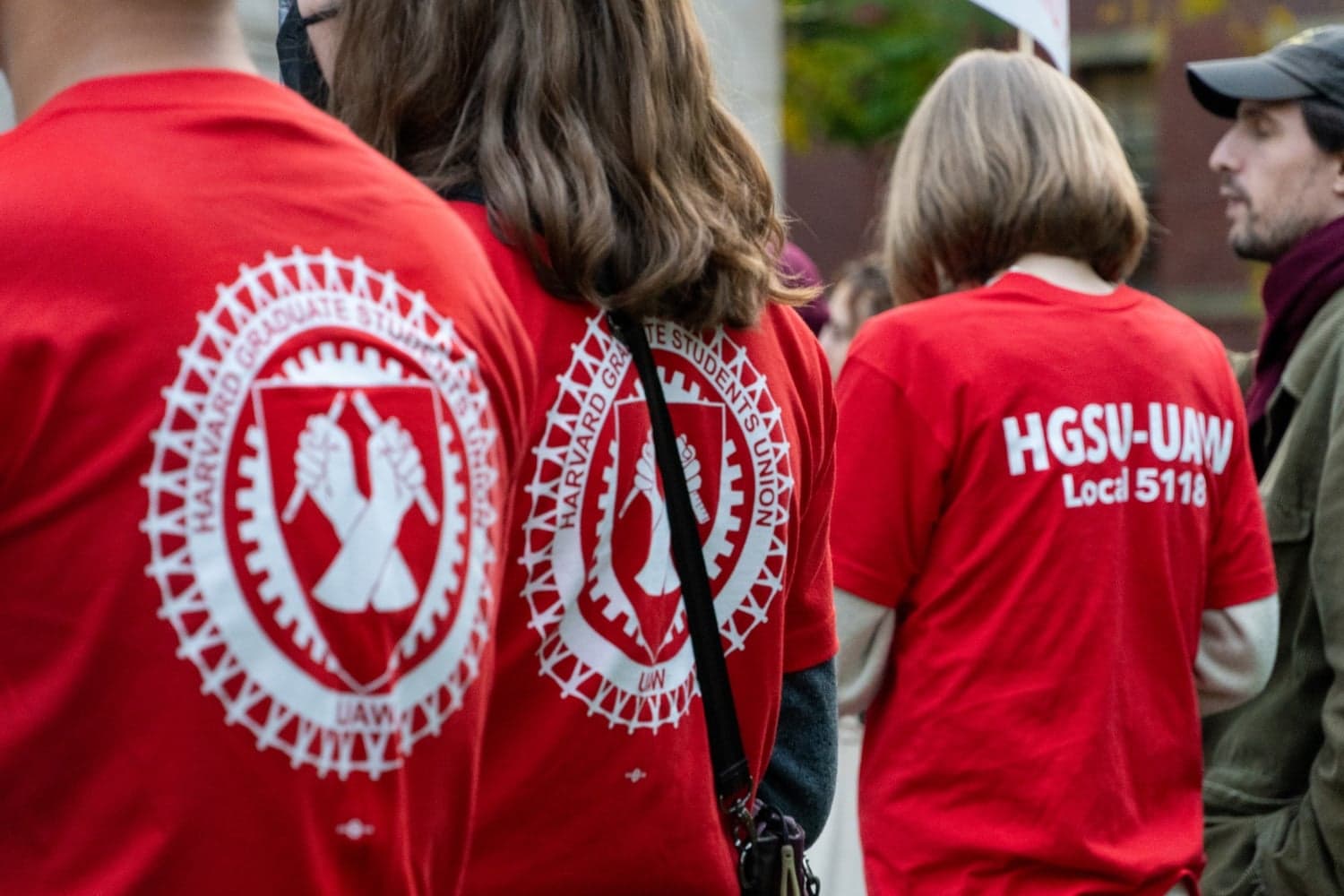
Harvard’s graduate student union set a 9 a.m. April 21 strike deadline that could pull thousands of teaching and research workers off the job, disrupting discussion sections, grading, and laboratory support across Cambridge and Allston as contract talks remain unresolved on pay, non-citizen protections, and how harassment and discrimination complaints are handled.
The Harvard Graduate Student Union-United Auto Workers, which represents about 3,900 student workers holding roughly 4,900 positions, announced the deadline April 11 after a strike authorization vote in which nearly 96% of participating members supported preparing for a walkout. The union said it will strike “until we have a fair contract” if Harvard does not meet outstanding bargaining demands. One final bargaining session was scheduled for April 20, the day before the planned work stoppage.
Negotiations for a successor agreement began in March 2025 and have included 20 bargaining sessions over the past year, Harvard administrators have said. The previous contract, listed by Harvard University Human Resources as running through June 30, 2025, has left many graduate employees working under expired terms while the two sides try to reach a new deal.
The union has framed the impasse as a cost-of-living and workplace safety crisis with unequal impacts. On compensation, the union has pushed to close the pay gap between teaching fellows and research assistants, a 12% increase to base salaries, and annual raises of 5%. Harvard countered with a proposal described as a 10% raise over four years, about 2.5% annually, and declined to equalize teaching fellow and research assistant monthly pay. Teaching fellow compensation was reported at roughly $6,500 per section, and union President Sara V. Speller said the “74% raise” framing obscured current pay levels.
Non-citizen protections have also become central, with the union proposing safeguards that would protect student workers from termination for up to 150 days if they lose work authorization and would require Harvard to assist in their return to the U.S. The union is also seeking access to third-party arbitration for harassment and discrimination complaints, a demand with direct health implications for graduate workers who describe power imbalances in labs and teaching appointments as barriers to reporting harm.
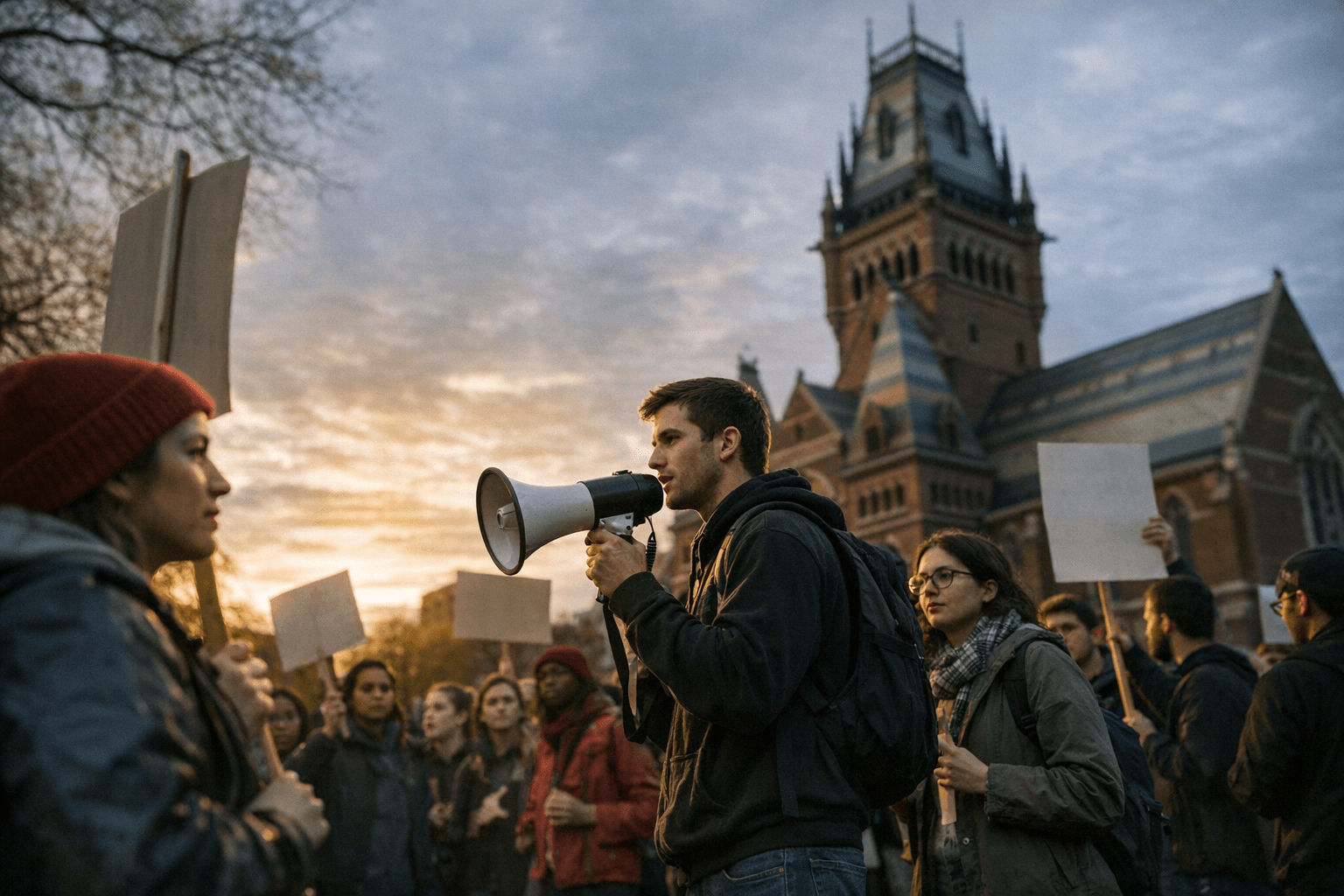
Union leaders said the strike timeline followed a special membership meeting. Bargaining committee member Lindsey Adams said the meeting was meant to “solidify support and finalize the timeline,” while Speller described strike planning as “a labor of love.”
Harvard spokesperson Jason Newton called a strike “unwarranted” and said the university believed “progress has been made in key areas,” adding that “that progress can only continue through discussions at the table, and we will continue to engage in good faith negotiations to reach an agreement.” Inside the university, administrators have already moved into contingency mode: Deputy Provost Jessica Soban and Managing Director of Labor and Employee Relations Paul Curran told faculty that school-by-school strike contingency planning was underway to maintain continuity in teaching, learning, and research.
A walkout would revive a pattern Harvard knows well. In December 2019, newly unionized student workers struck with pickets in Harvard Yard and the Longwood medical area, affecting grading, exam supervision, and research. The pressure campaign helped set the stage for the union’s first contract, ratified in 2020 with nearly 97% approval and including raises, new health care and child care funds, and harassment and discrimination protections. The current deadline lands at a moment when graduate labor actions have surged nationally, spotlighting how heavily elite universities depend on early-career researchers and instructors to keep classrooms running and labs productive while housing costs, health care needs, and workplace protections remain contested at the bargaining table.
This article was produced by Prism’s automated news system from verified source data, official records, and press releases, then run through automated quality and moderation checks before publishing. The system is built and supervised by the people who set the standards it runs under. Read our full AI policy.
Did this article answer your question?

