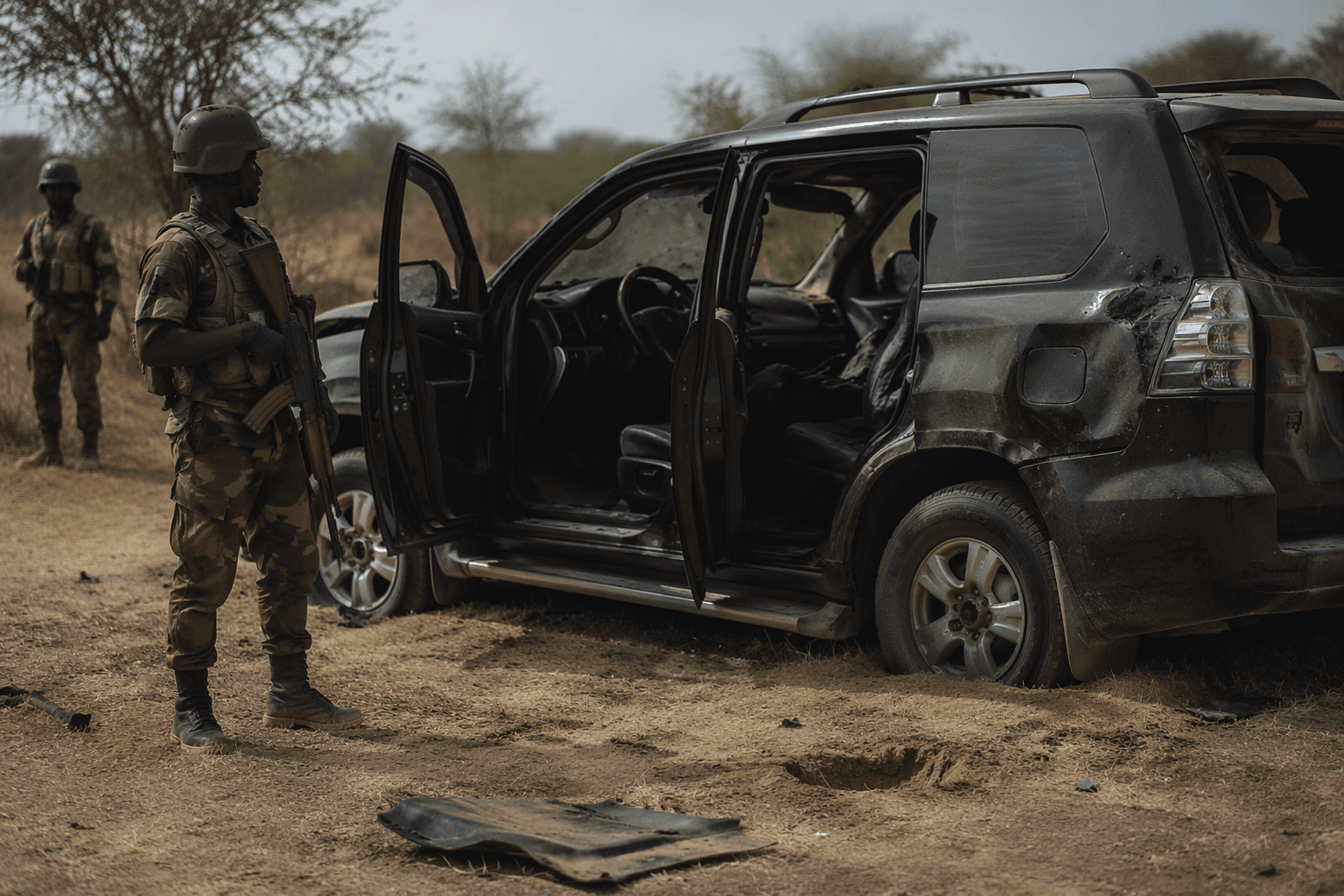
Havana’s trash crisis worsens as fuel shortages cripple collection
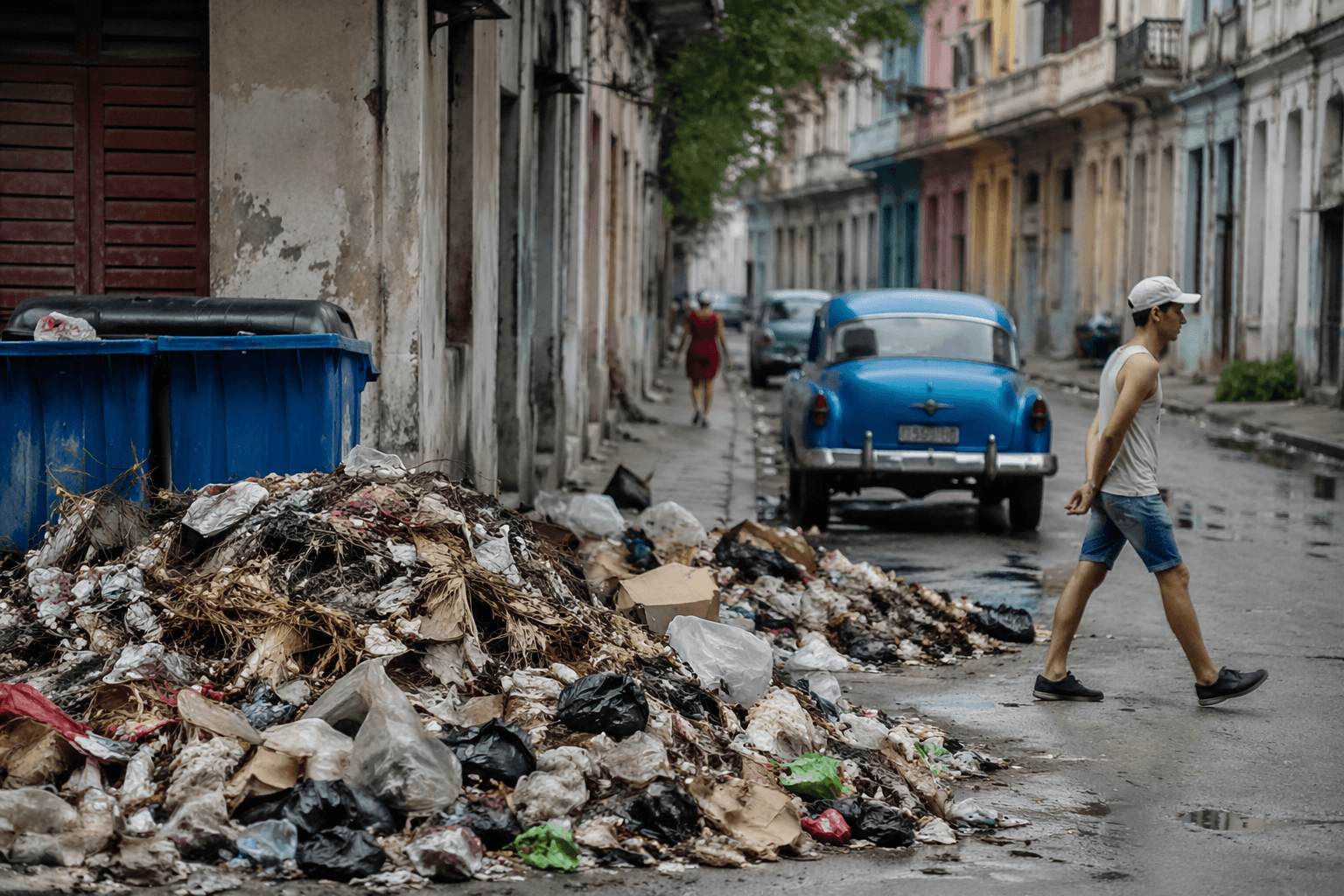
Garbage has lingered on Havana corners for more than 10 days in some neighborhoods as fuel shortages keep only 44 of the city’s 106 trucks running.

On Havana street corners, trash had become a daily measure of state capacity. Cardboard, used bags, plastic bottles and rags sat in heaps that drew flies and gave off the smell of rotting food, while in one Havana neighborhood José Ramón Cruz said more than 10 days had passed since a garbage truck came.
The city’s collection system has been running far below capacity. Only 44 of Havana’s 106 rubbish trucks were operating because of fuel shortages, a shortage that has slowed pickups across the capital and left street sweepers carting waste they cannot remove. On San Rafael Boulevard, José Fernández Zaldívar made about $9 a month sweeping one of Havana’s busiest pedestrian walkways, pushing a cart filled with trash in a city where even sanitation workers could not escape the accumulation.
The garbage crisis reflects a deeper breakdown in Cuba’s municipal systems. Havana was generating more than 30,000 cubic meters of discarded waste per day by mid-2024, and Cuba collected 5.9 million cubic meters of solid waste in 2023, just 85.3% of the 2022 total. Only around 10% of the 4.1 million tons of garbage collected that year was recycled. A 2013 study in the Cuban Public Health Journal had already warned that Havana’s container coverage did not meet the needs of the population or institutions, underscoring how long the city’s waste system has been strained.
Fuel shortages have sharpened the failure. Cuba’s national oil supply fell sharply after Venezuela stopped shipments in mid-December and Mexico halted shipments after U.S. pressure, while the U.S. embargo on Cuba has remained in place since 1960. The result has been visible not only in missed collection rounds but in neighborhoods where waste, stagnant water and broken sanitation have become part of the same public-health risk.
That risk has grown alongside disease outbreaks and water stress. The Pan American Health Organization has said Cuba has faced repeated recent disasters and severe water shortages that have complicated the health response. In October 2025, the Cuban Ministry of Public Health declared a complex arboviral outbreak involving dengue, Oropouche and chikungunya, and the U.S. Embassy in Havana warned in August 2025 about rising cases across the island. Havana authorities responded in November 2025 with 77 street-sweeping brigades, about 600 workers, for a cleanup campaign before the city’s 506th anniversary, but waste still remained visible in multiple neighborhoods. Antonio Guterres said he was very concerned, and U.N. teams were working with Cuba on humanitarian relief.
This article was produced by Prism’s automated news system from verified source data, official records, and press releases, then run through automated quality and moderation checks before publishing. The system is built and supervised by the people who set the standards it runs under. Read our full AI policy.
Know something we missed? Have a correction or additional information?
Submit a Tip