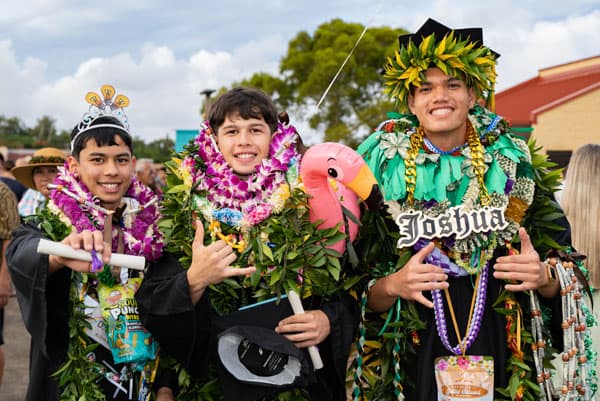
Hawaii schools add required financial literacy for class of 2030 students
The state Department of Education required financial literacy for incoming class of 2030 freshmen, starting 2026–27, to be documented in each student's Personal Transition Plan.

The Hawai‘i State Department of Education moved to make financial literacy a graduation requirement for public-school students, beginning with incoming freshmen who will graduate as the class of 2030. The change took effect for the 2026–27 school year and will be recorded through each student's Personal Transition Plan, a required half-credit portion of the diploma.
Schools statewide, including those on Kaua‘i, may meet the requirement in multiple ways: as standalone electives, by integrating lessons into existing courses, through self-paced modules, or other instructional designs that align with the department's new financial literacy standards. Those standards draw on national personal finance guidelines and cover six core areas: earning income, spending, saving, investing, managing credit, and managing risk. Districts were also encouraged to help students in classes that graduate earlier, from 2027 to 2029, document financial literacy learning before the formal requirement begins.
For Kaua‘i families and educators, the policy change is more than a curricular tweak. Financial skills shape day-to-day wellbeing and access to healthcare, housing, and education. Teaching students how to manage credit, build savings, and weigh financial risks can reduce stress-related health problems and support long-term economic stability for households already stretched by the island's high cost of living. Schools that integrate culturally relevant examples and local cost realities can make lessons more practical for students who plan to stay on Kaua‘i.
Implementation will be uneven unless the state and local districts invest in teacher training, curriculum materials, and community partnerships. Kaua‘i schools with smaller staffs or tighter budgets may opt for self-paced or integrated models, but those formats still require oversight, assessment, and coordination with counselors to ensure skills are documented in the Personal Transition Plan. Community organizations, credit unions, and local employers could play a role in offering workshops or internships that complement classroom instruction.
Policymakers and school leaders will need to address equity concerns. Students from low-income families and first-generation college-goers stand to benefit most from practical money-management education, but only if courses are accessible, free of fees, and taught with an eye toward local contexts. Monitoring who completes the PTP requirement and how instruction is delivered will be important to prevent gaps that could widen existing disparities.
Our two cents? Parents and students should talk with school counselors about how the Personal Transition Plan will document financial skills and what course options will be available. Community groups and employers can reach out to schools to offer real-world learning that connects the classroom to life on Kaua‘i. Practical skills in budgeting and credit management are small investments now that pay off in health, housing stability, and peace of mind down the road.
Sources:
Know something we missed? Have a correction or additional information?
Submit a Tip