HB 2606 HD2 advances, Big Island rep co-authors pre-built homes framework
The Hawaii House Finance Committee unanimously advanced HB 2606 HD2 on March 3, 2026, to create a State Building Code Council working group to craft permitting rules for factory-built homes; Lee Loy says indoor builds can halve construction time.
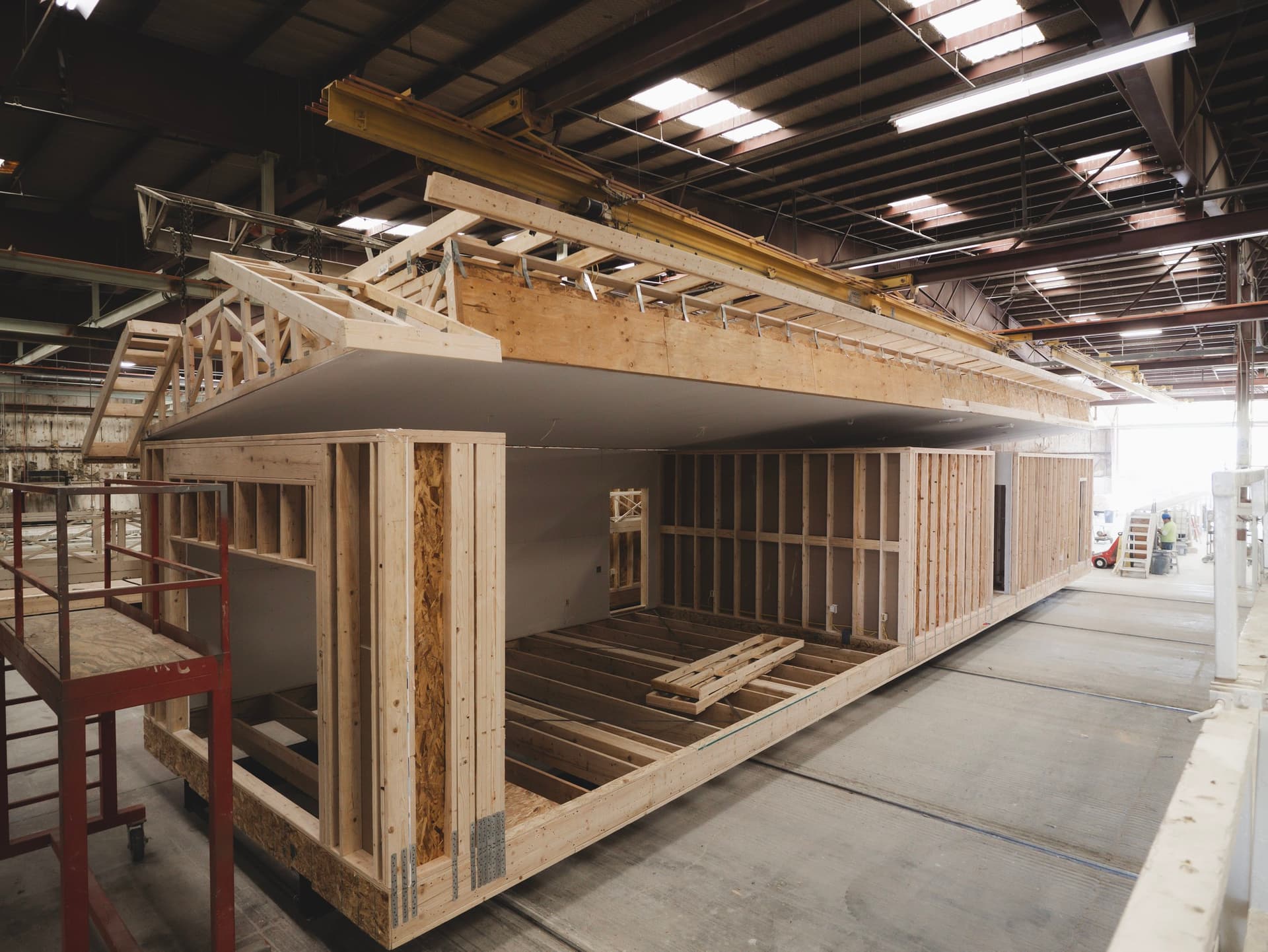
The Hawaii House Finance Committee unanimously advanced House Bill 2606 HD2 on March 3, 2026, moving a measure that would instruct the State Building Code Council to form a working group to develop a permitting and certification framework for an off-site, factory-built construction industry in Hawaiʻi. The bill is framed as implementing recommendations from the SPEED Task Force (Simplifying Permitting for Enhanced Economic Development).
The SPEED Task Force, established in the last legislative session, split into three permitted interaction groups during its initial phase; Lee Loy chaired one of those groups last year and told BigIslandNow that the group focused on a framework to establish an off-site construction industry. “There’s a desire for construction permits to go faster,” Lee Loy said, and he added that off-site construction “reduces the construction time by half since the structures are being built indoors.”
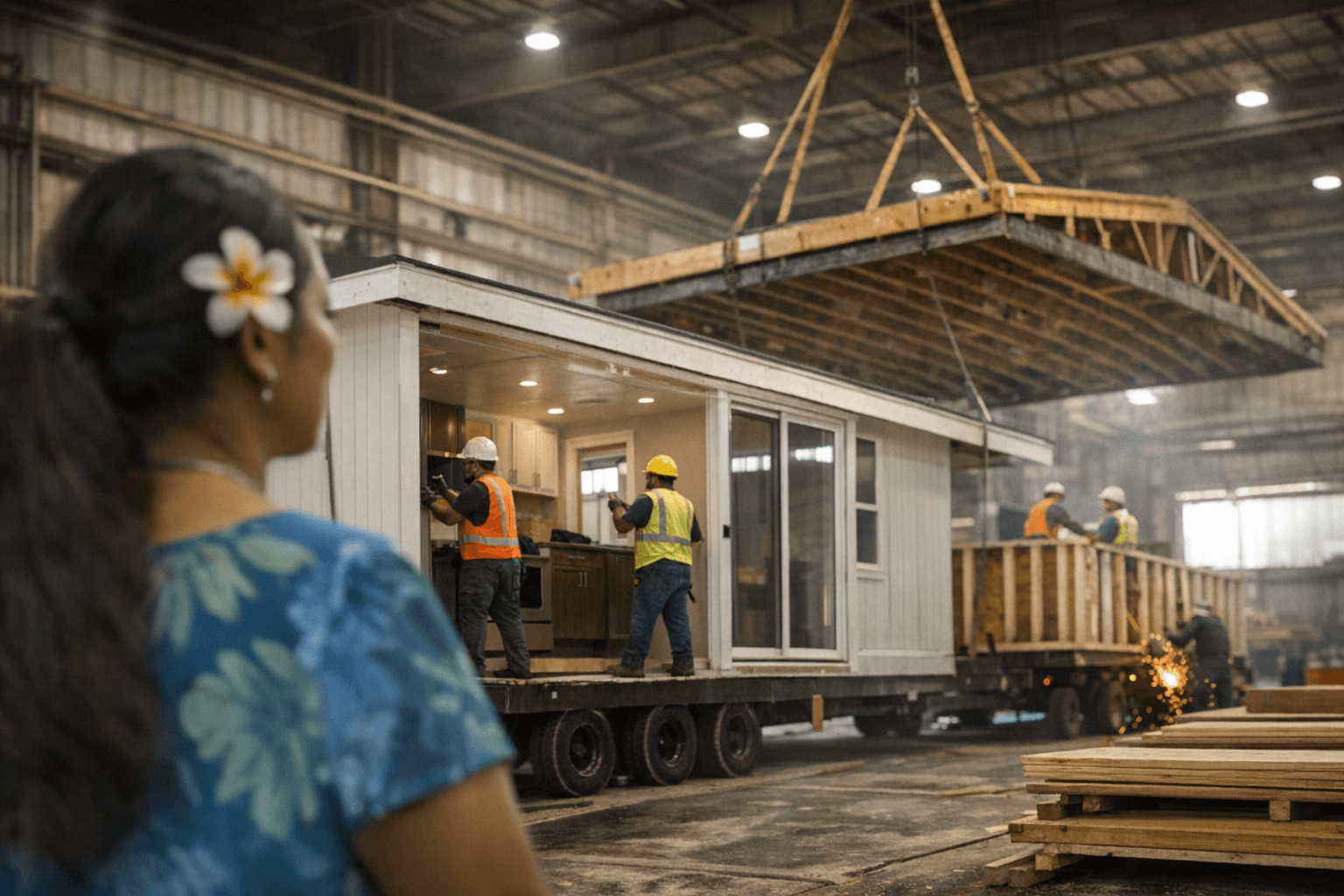
BigIslandNow reporting describes off-site construction to include the full chain of activity that the working group would confront: “construction, inspection, delivery, erecting then onsite and financing.” Lee Loy also warned that “This area is unexplored when it comes to off-site construction, how to inspect and finance them,” and said the state currently lacks a process to certify factory-built structures.
The bill text supplied in the materials describes HB 2606 HD2 as building on SPEED’s findings and establishing the working group within the State Building Code Council to develop proposals for an off-site construction program. The available report fragment lists a co-author reference truncated as “Rep. Sue”; full sponsor and co-author names and the bill’s fiscal note were not included in the materials provided and should be confirmed in House records for committee scheduling and floor action.
Advocates and lawmakers elsewhere have pursued related permitting reforms as a comparison point. ResponsiveGov highlighted California’s AB 920 in a Sept. 2, 2025 press release, saying, “If signed into law, AB 920 would help California communities achieve similar results, positioning the state as a leader in responsive, user-friendly government services.” ResponsiveGov also cited research that “only 22% of Americans reported being ‘extremely satisfied’ with their most recent state government interaction,” and that California ranks “just 26th nationwide for customer experience with government services.”
Permitting reform has become politically charged in other states. CalMatters quoted Assemblymember Buffy Wicks saying, “All of that combined makes, I think, a unique opportunity for us to actually have some pretty significant change,” while environmental critics warned of rollback risks, with Rose at the Center for Biological Diversity saying a fast-track proposal “fires a shotgun at the heart of CEQA.” K&L Gates noted California bills AB 130 and SB 131 as recent statutory attempts to expand CEQA exemptions and accelerate housing approvals.
Local context for Hawaiʻi’s push includes a 2024 Construction Coverage study cited by BigIslandNow that says Hawaiʻi is the only state without manufactured housing and notes manufactured housing was used for temporary housing in Lahaina after the 2023 fires. If HB 2606 HD2 becomes law and the State Building Code Council working group produces regulatory proposals, proponents argue the changes could create a certified pathway for factory-built homes covering permitting, inspection, delivery, on-site erection and financing that officials say would speed housing production in the islands.
Know something we missed? Have a correction or additional information?
Submit a Tip