HBPA Panel Exposes Labor, Consolidation and Access Crises Facing Small Stables
Consolidation and labor shortages are squeezing small stables, panelists at the National HBPA conference warned, with stakes fields sometimes containing "three or four trainers with 10 horses in it."

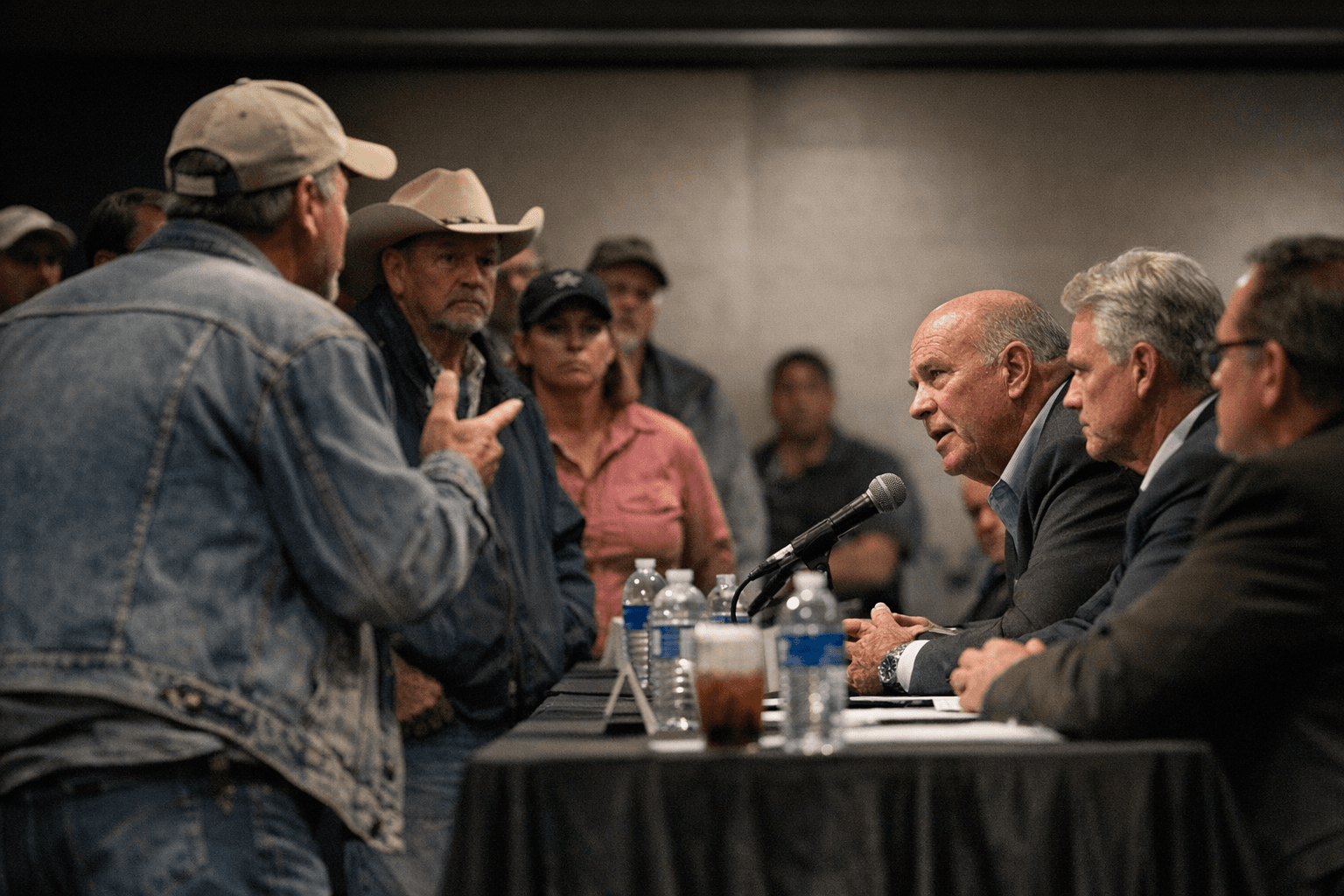
Consolidation among so-called "super trainers" and a strained labor force are already cutting racing opportunities for small operations, trainers Tom Van Berg and Robbie Medina and owner Marshall Gramm told a March 5 panel at the National HBPA conference at Oaklawn Racing Casino Resort in Hot Springs, Arkansas. The panel, titled "Seeing the Industry from the Barn and the Owner’s Box: A Real-World Racing Conversation," convened during the March 3–7, 2026 program and was moderated by Jennie Rees.
Panel discussion included a blunt diagnosis of access problems and competitive imbalance: "So, it’s to the point where it's hurt our racing product and also just entering the game for young and up-and-coming trainers is harder to do," panelists said, adding that the industry should "try to encourage owners to move to other trainers and disperse their horses so we don’t have stakes that have three or four trainers with 10 horses in it." That numerical example underlined how concentrated ownership and large stables are shaping card construction and betting pools.
Tom Van Berg, son of Hall of Fame trainer Jack Van Berg, recounted operational tactics smaller trainers have used to survive those pressures during the March 5 session. "When Eric Hamelback (National HBPA CEO) asked me to do this panel, he said, ‘Tom, I want to keep it positive,’" Van Berg said, adding that his barn historically chased regional dates: "One of the things that helped us be successful for our clients was we could, during the downtime when Churchill wasn't running, we’d go up to Ohio or Indiana, Pennsylvania, you know, Virginia, West Virginia and run spots that we could bring in some grocery money for our clients and pay for the feed bill or whatever."
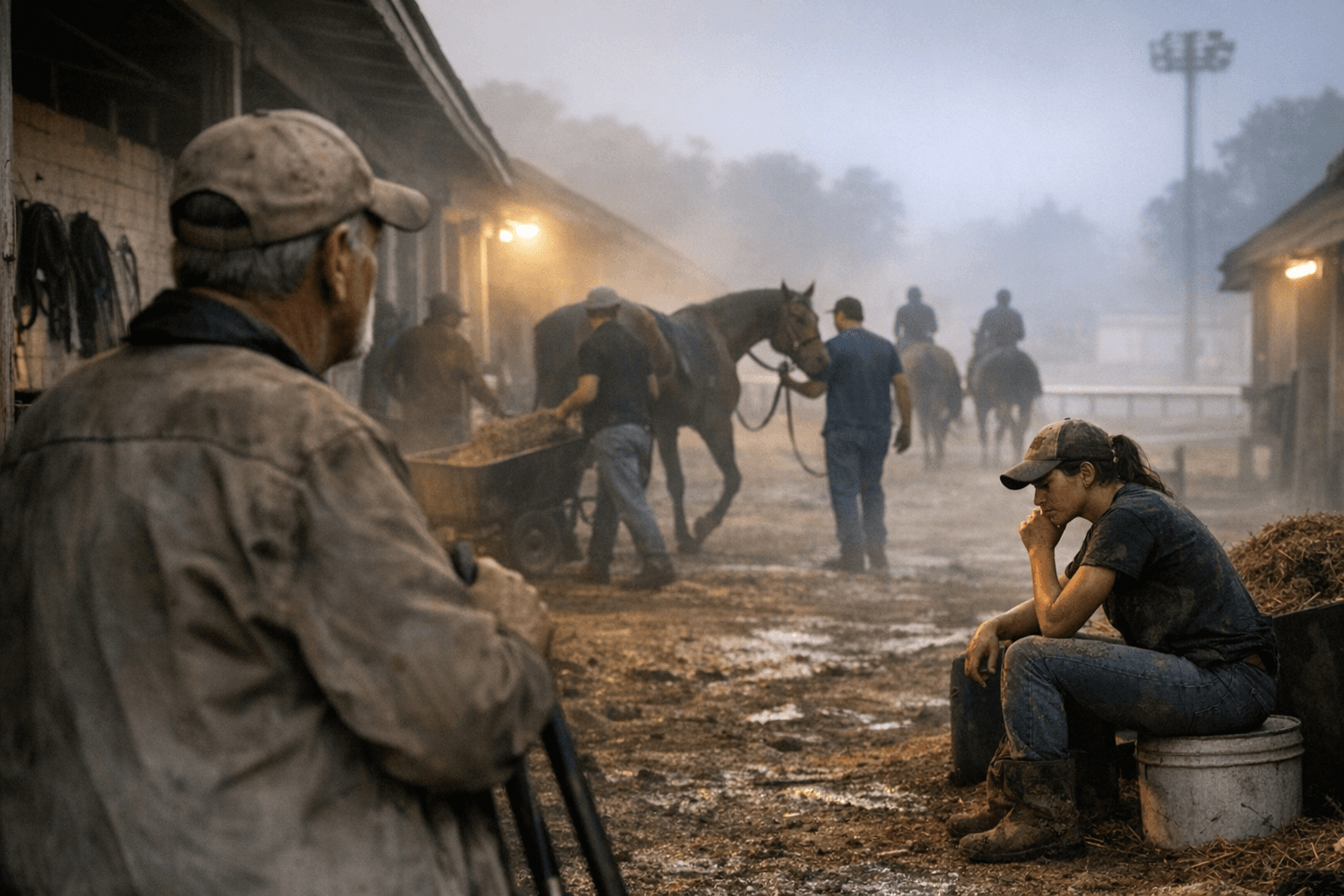
Panelists and the conference program tied consolidation to workforce strain, noting that "the consolidation affects more than the races themselves, trickling into the workforce for the medium and smaller outfits." That labor concern was listed among program priorities alongside integrity, second-career pathways for retired racehorses, AI, and emerging wagering threats on the National HBPA agenda for the March 3–7 sessions at Oaklawn.
The HBPA program also scheduled a HISA-focused legal panel described as "A comprehensive and candid examination of the Horseracing Integrity and Safety Act." That session names Ed Martin of ARCI, attorney Daniel Suhr as lead counsel in the National HBPA’s lawsuit challenging HISA’s constitutionality, and owner Brent Malmstrom, who is "challenging in court the HISA Authority’s specific actions against certain trainers," with Peter Sacopulos moderating. The legal fight over HISA adds regulatory uncertainty to the access and labor pressures discussed on March 5.
Prediction markets and AI were flagged as off-track threats at Oaklawn. The program warns that "These exchange-style platforms such as Kalshi and Polymarket, which allow participants to trade contracts on the outcome of future events, are expanding rapidly beyond politics and mainstream sports into broader wagering ecosystems." Michele Fischer moderated the Prediction Markets panel with panelists including Peter "Holt" Gardiner, Jason Johnston of WarHorse Gaming LLC in Nebraska, Ohio HBPA executive director Dave Basler, and Dennis Drazin listed as "chairman & CEO" in program copy. NHBPA CEO Eric Hamelback framed the conference purpose and technology urgency: "Each year, we strive to take a deep dive into the serious issues facing racing while also showcasing innovation that already is making a difference," and "We are in the midst of the AI revolution, whether we like it or not, and horsemen and their leaders must be informed and prepared."
If owners do not disperse horses and racing jurisdictions and regulators do not contend with consolidation, prediction-market encroachment, and labor shortages, the panel warned at Oaklawn, smaller trainers risk being shut out of the circuits they have long relied on. For National HBPA contact the conference header lists 866-245-1711 and racing@hbpa.org for further information.
Know something we missed? Have a correction or additional information?
Submit a Tip