HBPA Warns Prediction-Market Platforms Threaten Pari-Mutuel Pools if Unregulated
HBPA delegates at the March 5-6 conference warned that unregulated prediction-market and derivative wagering platforms could siphon bets and imperil traditional pari-mutuel pools.

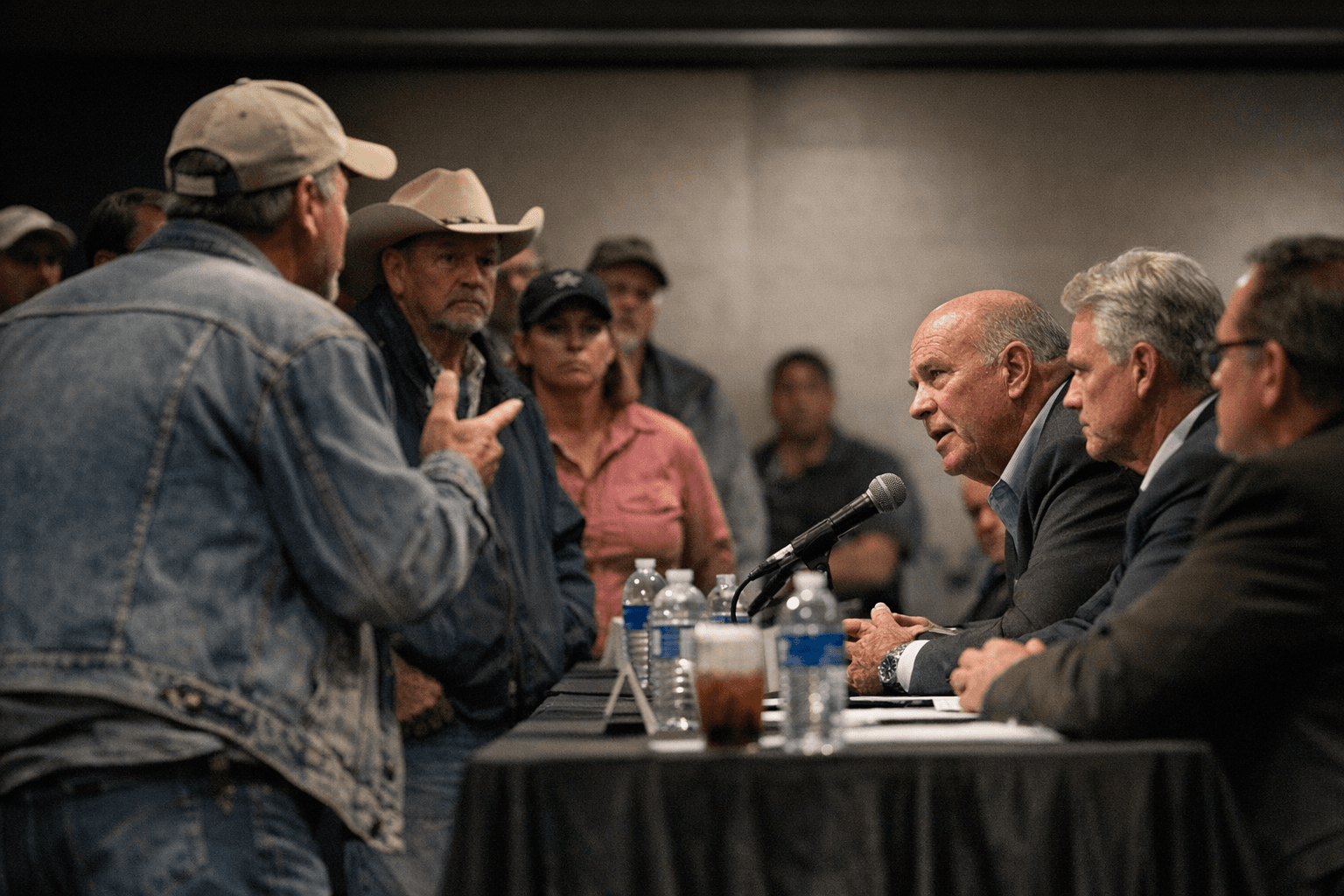
The Horseracing Benefit Fund and Protective Association’s marquee session March 5-6, 2026 put a single risk at the center of the room: the rapid rise of prediction-market platforms and similar derivative wagering products and the existential threat they could pose to pari-mutuel pools if left unregulated. HBPA leaders used the session to flag how quickly new platforms have scaled and to press for a regulatory response.
Attendees at the HBPA conference heard detailed briefings on marketplace growth and product innovation March 6, with panelists tracing a sudden increase in off-exchange betting options. The session framed those options as more than an ancillary curiosity; panel organizers described them as potential competitors to traditional pools. HBPA members framed the issue as structural, not tactical, saying the expansion of derivative products changes how fans and bettors place dollars on races.
Industry executives at the session cautioned that the shift toward prediction-based and derivative products has moved well beyond niche experimentation. Those executives argued the platforms are growing at a pace that could divert handle from pari-mutuel pools and alter revenue flows for tracks, horsemen, and state commissions. The HBPA packet circulated at the conference highlighted the need for oversight to preserve the integrity of pooled wagering and the distribution mechanisms that support purses and racing operations.

The session drilled into practical consequences for the racing ecosystem. Panel leaders outlined how pari-mutuel pools depend on volume and collective risk to generate payouts and statutory revenue streams. They warned the rise of alternative products could fragment bettors and reduce the centralized pools that fund purses, backstretch salaries, and track operations. HBPA organizers described the trend as a policy problem because current regulatory frameworks for pari-mutuel wagering do not neatly cover prediction-market structures.
HBPA officials closed the session March 6 by calling for coordinated action among tracks, horsemen, and regulators to define oversight and preserve pari-mutuel markets. The conference agenda scheduled follow-up meetings with interested stakeholders to map legal approaches and regulatory proposals. With the industry watching, the HBPA session made clear that March 6 was a pivot point: either regulators move to fold prediction markets into existing frameworks, or pari-mutuel pools will face a new, fast-growing set of rivals.
Know something we missed? Have a correction or additional information?
Submit a Tip