Healey quits as defence secretary over funding row with Treasury
John Healey quit after rejecting a Defence Investment Plan settlement, exposing a Treasury clash at the heart of Starmer’s government. Dan Jarvis moved in the same day.
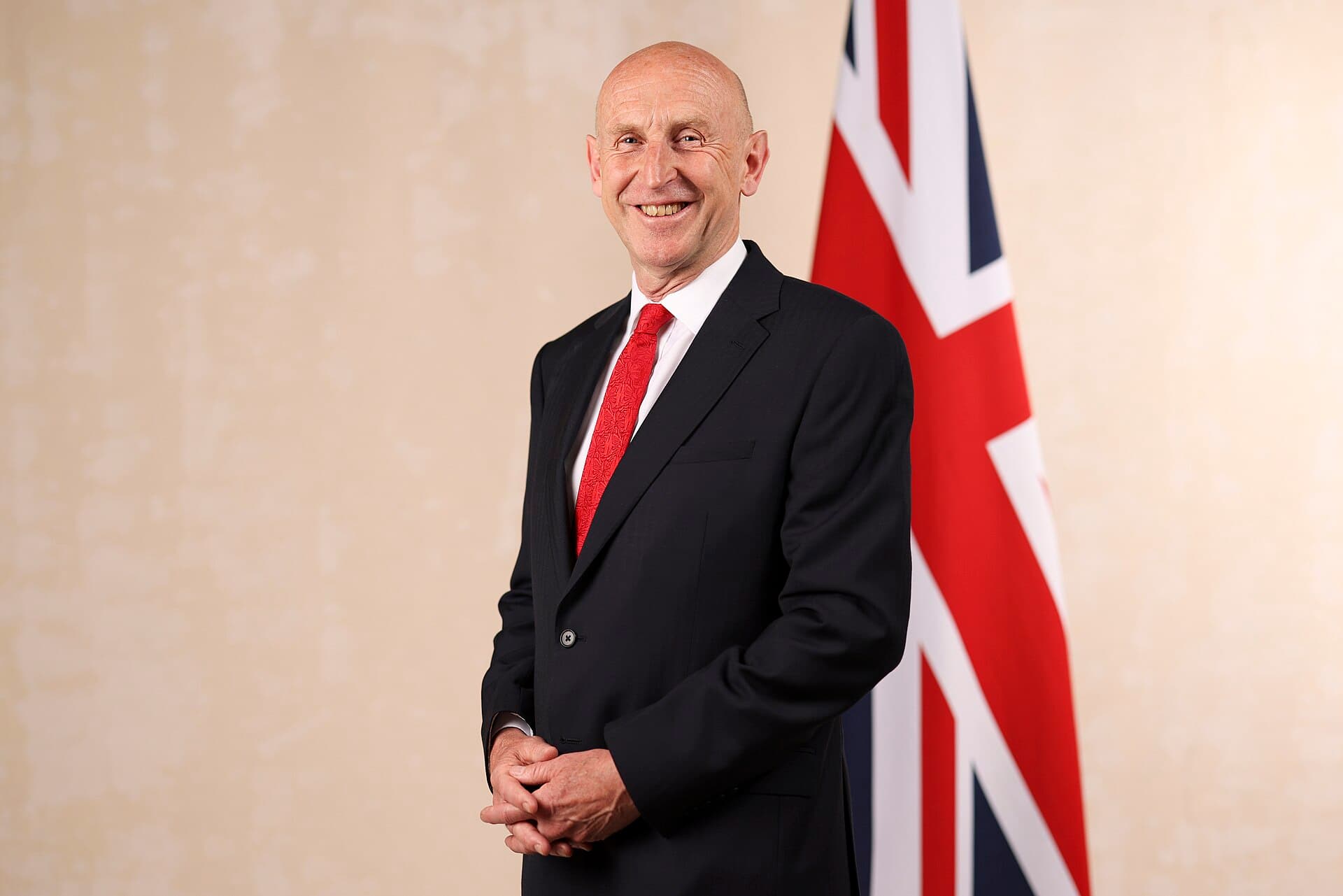
John Healey’s resignation cut straight into the power map at Downing Street, turning a defence brief into a test of Keir Starmer’s authority over his own cabinet. A minister who had been in place since 5 July 2024 left on 11 June 2026 over a funding settlement he said could not equip the Armed Forces properly, putting the Treasury and the prime minister’s grip on spending under immediate scrutiny.
Healey had been one of Starmer’s most senior and trusted figures, and the departure raises a blunt question about cabinet discipline: can the government keep its strategic promises when the money is not there? The political exposure now sits with Rachel Reeves’s Treasury as much as with the Ministry of Defence, because the row is not about personalities but about who gets to define Britain’s security priorities.
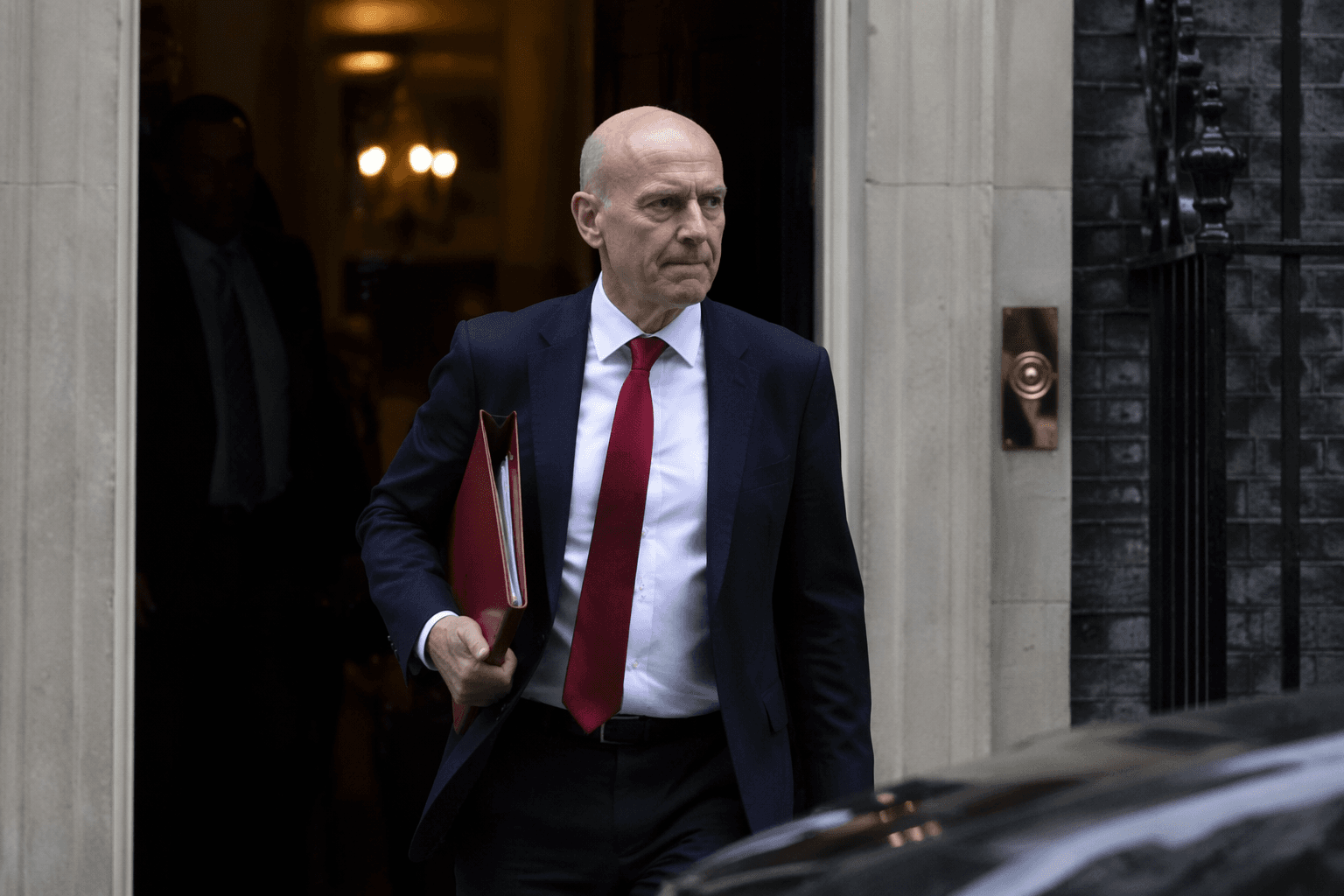
In his resignation letter, Healey said Labour had already raised defence investment to 2.5% of GDP three years earlier than expected, launched a Strategic Defence Review, given the Armed Forces their biggest pay rise in nearly 20 years and fixed more than 1,200 of the worst forces family homes. He said the country was facing mounting demands, including a UK-led mission in the Strait of Hormuz, NATO’s Arctic Sentry mission, increased Russian activity and a British deployment to Ukraine after a ceasefire under the Paris Agreement. Healey argued that the next step should be a path to 3.5% of GDP on defence in 2035, while saying 3% by 2030 should be the UK’s headline target.
The replacement was immediate. Dan Jarvis was appointed Secretary of State for Defence on 11 June 2026, bringing experience from the Home Office and Cabinet Office, a background in the Parachute Regiment and an MBE for military service. His brief covers the Strategic Defence Review Implementation, the Defence Investment Plan, the defence budget and strategic partnerships with the US, France, Germany, Australia and Ukraine.
Healey’s exit is more damaging than a routine ministerial change because it points to a split over strategy and money at the heart of government. Sir Michael Fallon resigned as defence secretary in November 2017 after saying his behaviour may have fallen short of expected standards. Healey’s resignation is different: it suggests a dispute over whether Labour’s security rhetoric will be matched by the funding needed to sustain it.
This article was produced by Prism’s automated news system from verified source data, official records, and press releases, then run through automated quality and moderation checks before publishing. The system is built and supervised by the people who set the standards it runs under. Read our full AI policy.
Know something we missed? Have a correction or additional information?
Submit a Tip