Tisza seeks sweeping overhaul of Hungary’s public media system
Tisza’s bill would split Hungary’s state broadcaster, restore MTI and install new oversight bodies as Peter Magyar presses to unwind Orban’s media model.

Hungary’s governing Tisza party has put public media at the center of its first major institutional test, proposing a sweeping rewrite of the state broadcasting system just months after winning an April 2026 landslide. The bill is cast as a bid for independence, but it also asks whether Peter Magyar’s government is building safeguards against political control or simply replacing one power center with another.
The proposal would restructure MTVA, the public-media holding company, and split radio and television functions into separate entities. It would restore MTI as a standalone national news agency and create an Independent Public Media Committee with equal representation from the government, the opposition and independent media-sector figures. A separate Public Media Council would be tasked with monitoring public-service standards.
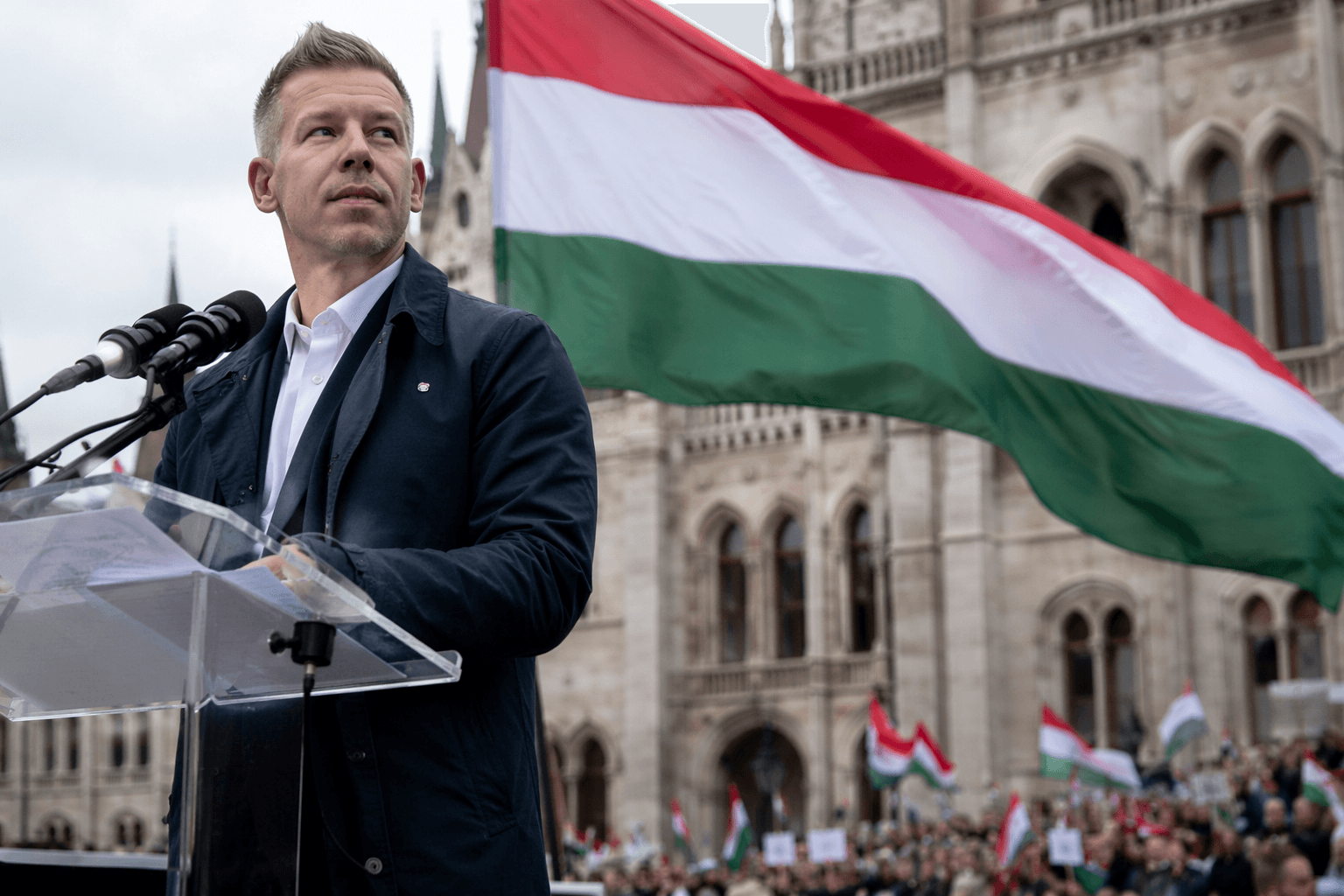
The legislation also targets the bodies that have long shaped the newsroom environment. It would reform the Media Council to make it more balanced and transparent, while tightening conflict-of-interest rules. The current leaders of public media would be removed, new chiefs would be selected through open applications, and Zoltan Tarr would take control on an interim basis during the transition.
That structure is designed to look like a democratic reset, but its durability will depend on whether the new institutions can resist the kind of political pressure that defined Hungary’s media system under Viktor Orban. Press-freedom and democracy observers have long argued that public media became a tool of government messaging, especially outside Budapest, where many Hungarians received coverage curated by Fidesz. Tisza’s answer is to disperse appointments and oversight more evenly, not just to change editorial language.

The timing is politically charged. Dániel Papp, the chief executive of MTVA, resigned in early June after pressure from Magyar and amid plans for a complete transformation of public media. Magyar also sought the resignation of Anita Altorjai, head of Duna Médiaszolgáltató, after allegations that public media employees received editorial instructions during the election campaign to discredit Tisza.
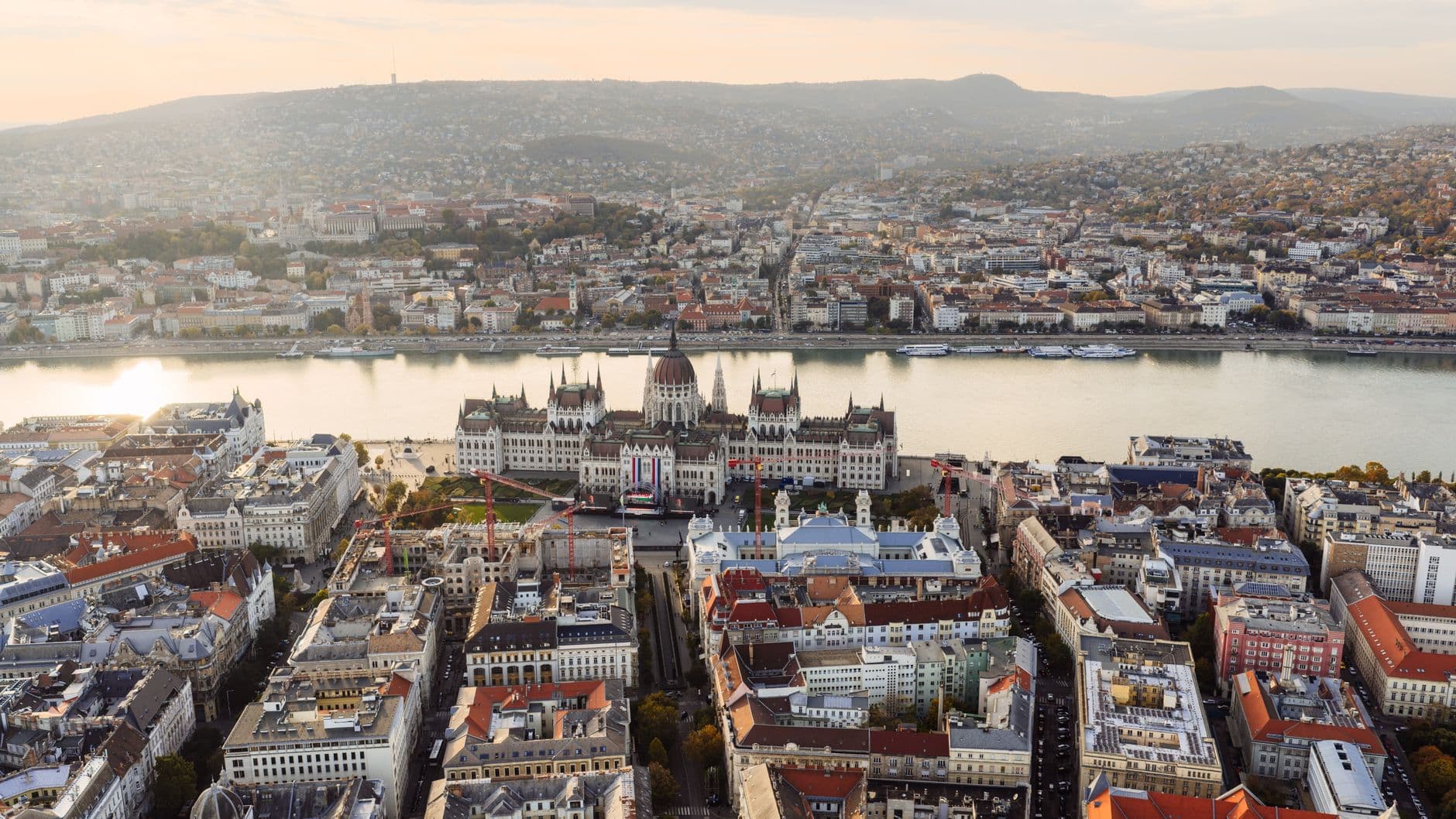
The public-media overhaul is part of a broader campaign to dismantle Orban-era structures, including a separate bill submitted in early June to abolish the sovereignty-protection office. Together, the measures form an early stress test of whether Tisza can convert its constitutional majority into lasting institutional change, or whether the machinery of state will simply be rebuilt under a new banner.
This article was produced by Prism’s automated news system from verified source data, official records, and press releases, then run through automated quality and moderation checks before publishing. The system is built and supervised by the people who set the standards it runs under. Read our full AI policy.
Know something we missed? Have a correction or additional information?
Submit a Tip