Heat dome forces specialty farmers to harvest through scorching nights
Annie Woods was still harvesting eightball zucchini after sunset in Kentucky as a heat dome pushed specialty growers into night work, faster pickling, and tighter worker protections.

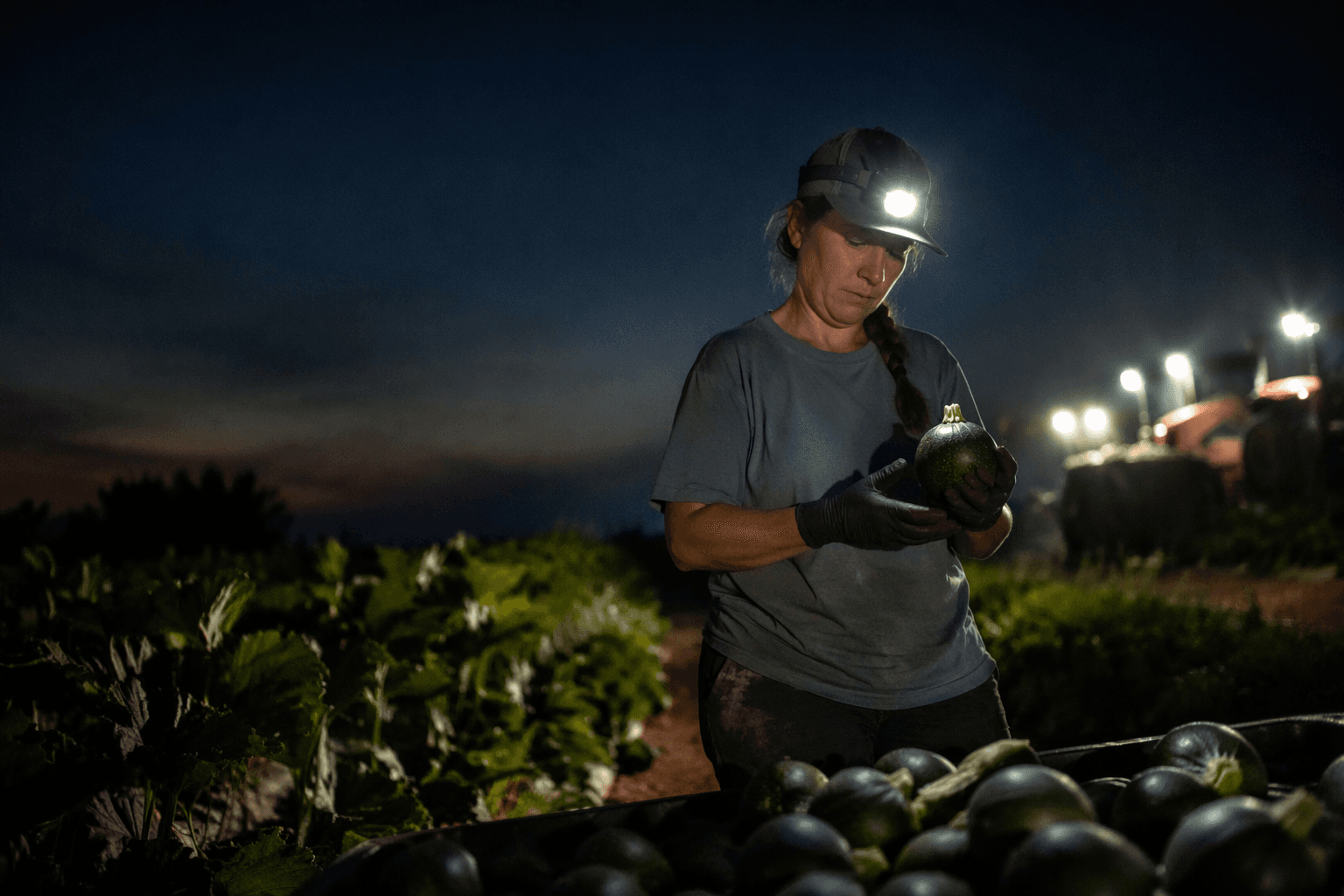
Annie Woods kept cutting eightball zucchini long after sunset on her 50-acre farm in Brooksville, Kentucky, because the air still held the day’s heat. Her work under a fading July sky came as a scorching heat dome settled over much of the country and forced farms to shift harvests, irrigation, and labor routines in real time.
A heat dome is a persistent high-pressure system that traps heat over a region and can linger for days to weeks. These systems are tied to jet stream patterns and sinking air that warms as it descends. This summer’s heat was a business risk for farms built around fruits, vegetables, herbs, berries, and other labor-intensive crops that spoil quickly and cannot be left waiting for cooler weather.
For specialty growers, heat can shorten planting windows, damage crop quality, stress seedlings, and invite diseases and pests that can wipe out produce. These crops include high-value perennial investments such as grapevines and nut trees, which cannot simply be abandoned or fallowed during a severe drought, storm, or heat wave. Warmer temperatures can also prevent stone fruit such as peaches and cherries from getting the chill hours they need for proper flowering, threatening next season’s harvest before this season’s has even been picked.
The labor burden has intensified alongside the crop risk. Outdoor workers exposed to extreme heat face occupational heat stress and a higher risk of heat-related illness. Farmworkers are especially vulnerable because of long work hours, poverty, substandard housing, and limited labor protections. In practice, that has pushed growers to begin earlier, stop more often for water, create shade where none existed, and move seedlings or crops into protected spaces when temperatures spike.
An Iowa orchard operator had to speed up raspberry harvests during the heat. Unlike many commodity farms, specialty operations often depend on hand labor and have fewer financial buffers when weather turns bad, leaving them exposed to losses that can quickly hit prices and availability in grocery stores and farmers markets.
USDA’s National Agricultural Statistics Service published its 2022 Specialty Crops Census volume in October 2024.
This article was produced by Prism’s automated news system from verified source data, official records, and press releases, then run through automated quality and moderation checks before publishing. The system is built and supervised by the people who set the standards it runs under. Read our full AI policy.
Did this article answer your question?