Hegseth Defends Iran War Cost as Congress Questions Authorization
The Pentagon said the Iran war has already cost about $25 billion as lawmakers pressed Pete Hegseth on who authorized it and how victory will be measured.

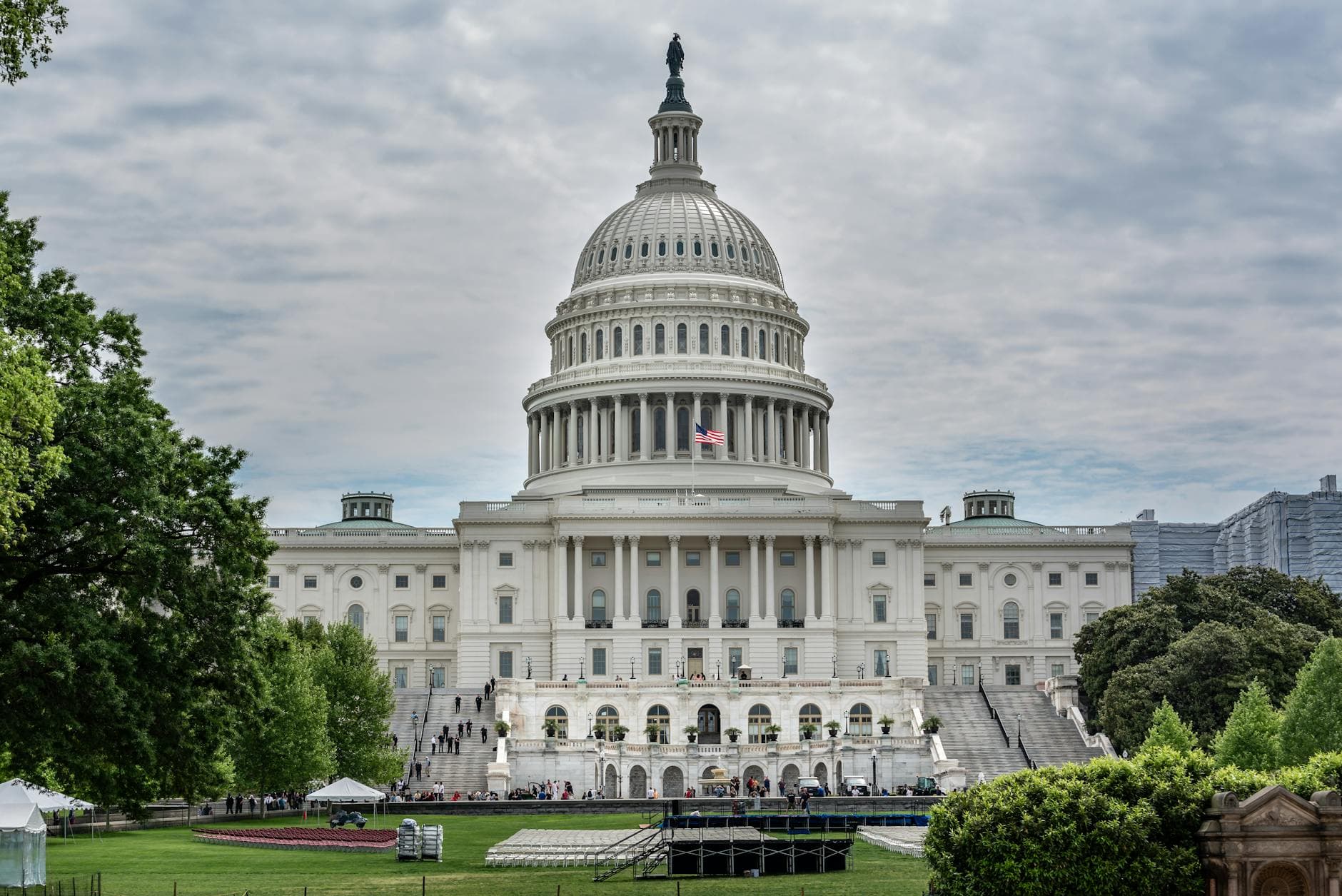
The Iran war has already run up about $25 billion in Pentagon costs, and Congress is demanding to know what that money buys, who approved the conflict and how the administration will measure success. On Capitol Hill, acting Pentagon comptroller Jules Hurst told the House Armed Services Committee that the biggest expense so far has been munitions replenishment, a signal that the campaign is consuming stockpiles as much as cash.
Defense Secretary Pete Hegseth faced lawmakers on April 29 in his first public testimony before Congress since the U.S.-Israel campaign against Iran began on Feb. 28. He appeared with Joint Chiefs Chairman Gen. Dan Caine as part of the Pentagon’s FY2027 budget request hearing, and the session quickly became a referendum on the war’s cost, its legal basis and its end state. By late April, the fighting had stretched into roughly its ninth week, with no formal war declaration and no clear bipartisan consensus behind the mission.
The administration has tried to define the operation in narrow military terms. A State Department legal advisory issued April 21 described Operation Epic Fury as an ongoing international armed conflict and said U.S. objectives were to destroy Iranian offensive missile capability, missile production, naval and other security infrastructure, and to ensure Iran never gets nuclear weapons. Those goals now function as the closest thing to a benchmark for judging whether the campaign is succeeding, even as lawmakers ask how much damage can be inflicted before the war becomes an open-ended drain on resources and attention.
That question has sharpened because the conflict is not only a military campaign but an economic one. The fighting has choked vessel traffic through the Strait of Hormuz, adding pressure to global shipping and worsening concerns about market disruption. At the same time, the Pentagon’s own accounting shows the conflict’s material cost is climbing in the form of weapons consumption, making replenishment a central budget issue just as Congress examines the next fiscal year’s request.
The legal clock is also tightening. Under the War Powers Resolution, Donald Trump faced a May 1 deadline to justify continued U.S. forces in the region or begin withdrawal, adding urgency to the political fight over authorization. Hegseth defended the war as not a quagmire, but his tone turned combative as he accused congressional Democrats of being “the biggest adversary we face,” underscoring how the administration is shifting from selling the war politically to defending its cost and oversight on Capitol Hill.
Know something we missed? Have a correction or additional information?
Submit a Tip