Hegseth faces Congress over Iran war costs, legality, and endgame
Hegseth’s first Congress appearance since the Iran war began exposed $25 billion in costs and fresh doubts over legality, timeline and any endgame.

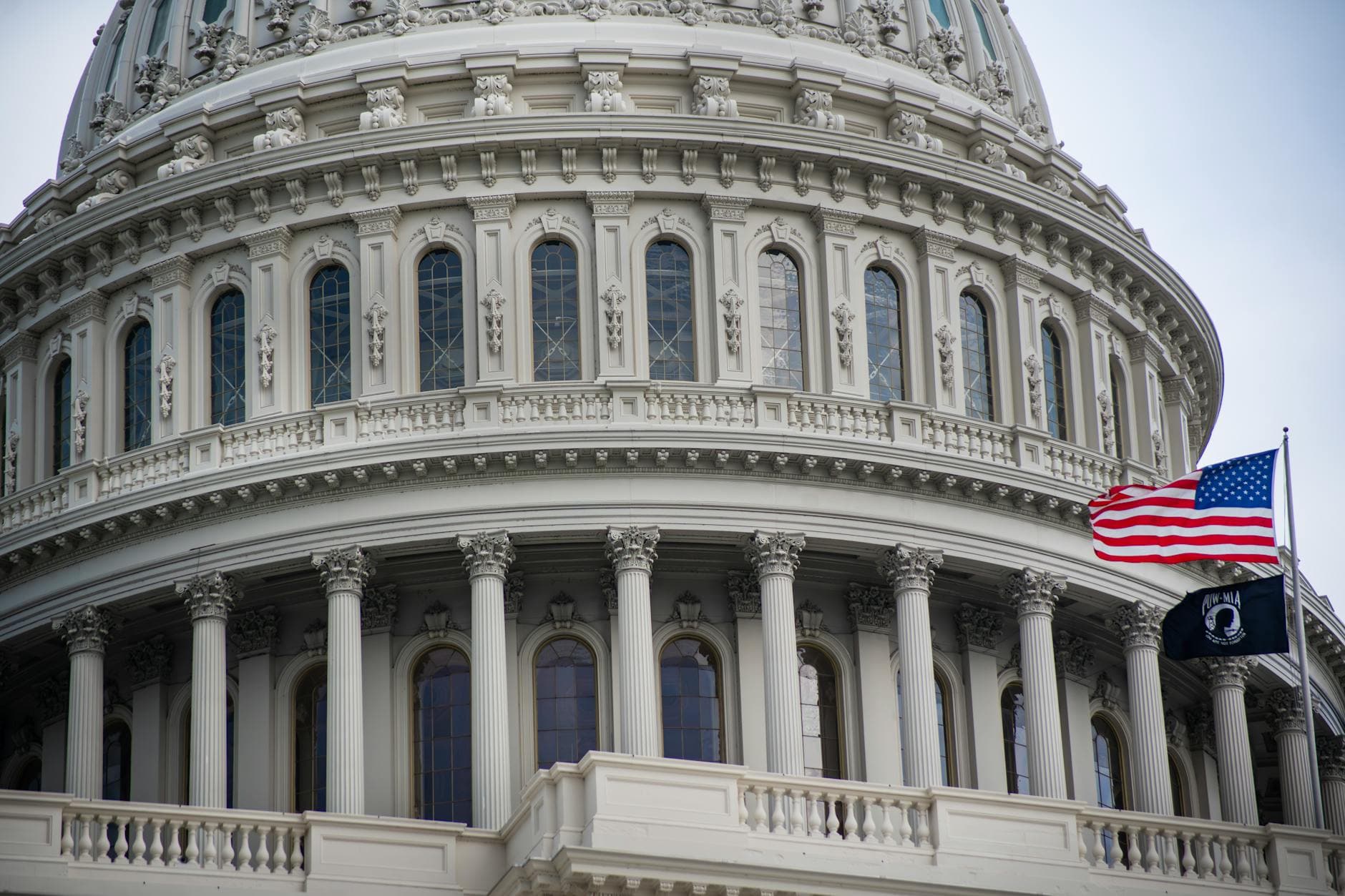
Pete Hegseth faced Congress on the Iran war for the first time since Operation Epic Fury began in late February, and lawmakers used the House Armed Services Committee hearing to press for answers he did not fully provide. The defense secretary appeared with Joint Chiefs Chairman Gen. Dan Caine as the Pentagon defended its fiscal year 2027 budget request, a plan that would lift military spending to a historic $1.5 trillion.
The hearing made clear that the central dispute was not just money, but authority and purpose. Democrats argued the war was being fought without congressional approval, and Rep. Adam Smith, the committee’s top Democrat, pressed Hegseth on the plan and the objectives behind it. Rep. Joe Garamendi also sharply criticized the war’s direction. Hegseth defended the operation and dismissed criticism as defeatist, but the exchange left the same core questions hanging over Capitol Hill: what the mission is, how long it will last, and what legal basis the White House is using to sustain it.
Those questions were sharpened by the Pentagon’s own spending tally. Pentagon acting comptroller Jules Hurst III told lawmakers the war had already cost about $25 billion, with most of that money going to ordnance and munitions. That figure landed as lawmakers reviewed a defense budget that is already stretching to unprecedented levels, even as the war continues to drain resources and force new tradeoffs inside the Pentagon.
The timing only deepened the pressure. The hearing came just two days before what some reports described as a 60-day deadline to wind down hostilities, and it followed stalled diplomacy between Washington and Tehran. Instead of a clear explanation for how the conflict ends, Hegseth was left to defend an open-ended campaign while members of Congress asked whether the administration had a coherent exit strategy at all.
Outside the hearing room, Donald Trump kept up the pressure on Iran with a social media warning that the country needed to “get smart soon” and that there would be “NO MORE MR. NICE GUY.” Inside, the contrast was starker: a defense secretary asking for more money, a war already costing billions, and a Congress still waiting for a straight answer about the legal and strategic endgame.
Know something we missed? Have a correction or additional information?
Submit a Tip