Hegseth faces skeptical lawmakers over Iran war strategy, costs, and endgame
Hegseth faced cross-party skepticism as lawmakers zeroed in on Iran war costs, strategy and endgame, with $25 billion already spent and more scrutiny ahead.
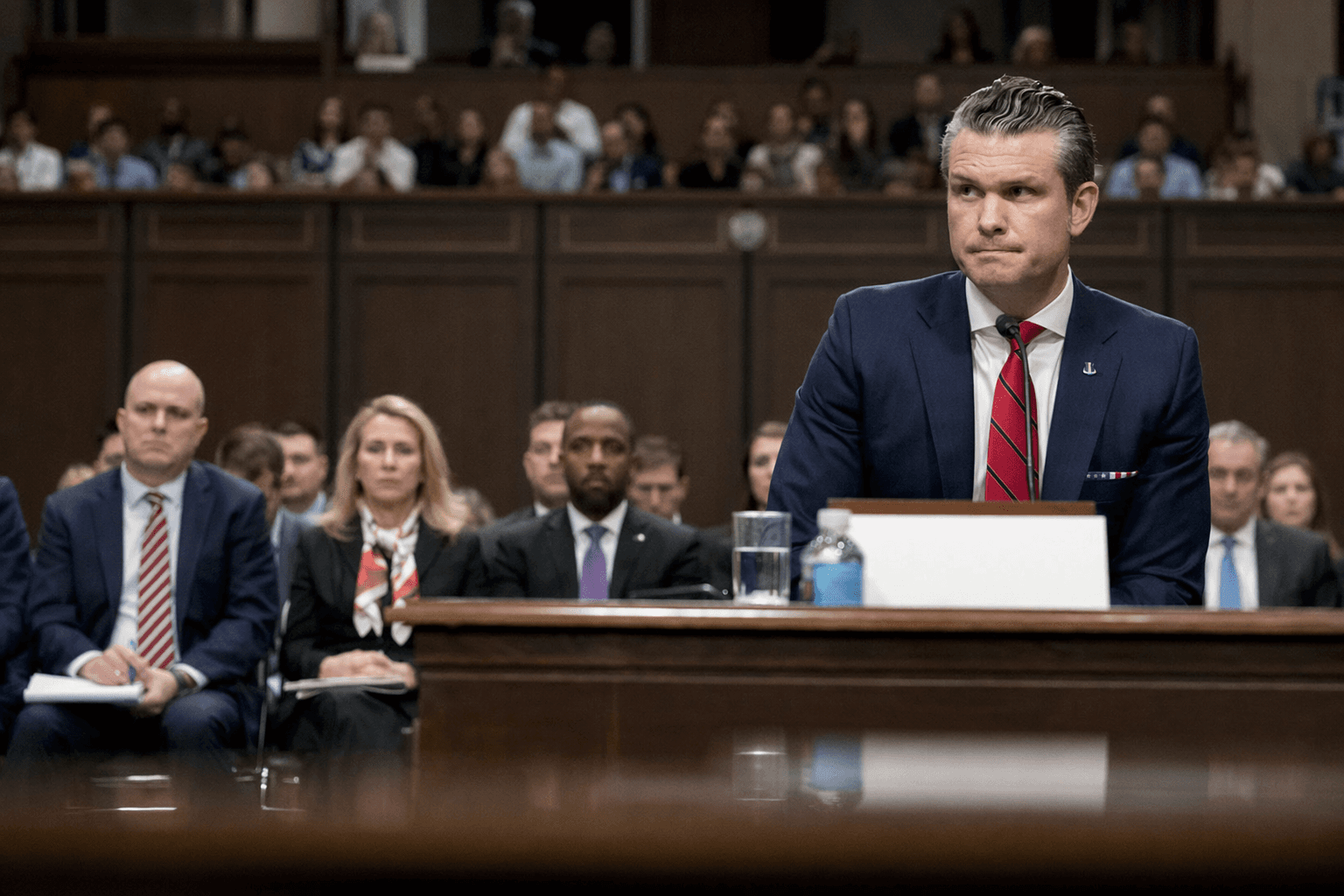
Pete Hegseth walked into the Rayburn House Office Building on April 29, 2026 for what was supposed to be a routine budget hearing and found Congress focused instead on war. His first public appearance before lawmakers since the Iran conflict began in late February quickly turned into a forceful interrogation of the Trump administration’s strategy, its legal footing and the price tag of a widening fight that Pentagon officials said has already cost roughly $25 billion.
The hearing before the House Armed Services Committee centered on President Donald Trump’s fiscal 2027 Pentagon request, a defense budget plan of about $1.5 trillion. But lawmakers barely stayed on the spending topline. Democrats pressed Hegseth on the goals of the war, the lack of a clear endgame and whether the administration intended to seek congressional authorization for further action. Some Republicans also voiced skepticism, signaling that concern over an open-ended conflict had begun to cut across party lines even in a committee built to defend the Pentagon.
The financial burden sharpened the scrutiny. Pentagon officials told the committee that most of the war’s spending so far had gone to ordnance, a detail that underscored how quickly the conflict was consuming munitions as well as cash. Hegseth argued that the administration’s real opponent was not only Iran but what he called the “defeatist” language of Democrats and some Republicans, a line that exposed the divide between lawmakers seeking answers and an administration determined to frame the debate as one of resolve.
The geopolitical stakes were also on display. Members raised concerns that the fighting was affecting global shipping through the Strait of Hormuz, one of the world’s most important energy chokepoints, and that the war’s ripple effects could reach deep into the U.S. economy. Hegseth said Iran was “digging out” its remaining missiles and launchers but no longer had the capacity to get more, a claim meant to suggest the conflict had already degraded Tehran’s arsenal even as the broader end state remained unsettled.
The hearing was only the first round of scrutiny. Hegseth was scheduled to appear before the Senate Armed Services Committee the next day, extending Capitol Hill’s pressure campaign and offering another test of how much appetite Congress has left to check executive military power while the war continues.
This article was produced by Prism’s automated news system from verified source data, official records, and press releases, then run through automated quality and moderation checks before publishing. The system is built and supervised by the people who set the standards it runs under. Read our full AI policy.
Did this article answer your question?

