Hegseth says Strait of Hormuz reopening will begin immediately after truce
Reopening Hormuz could restore a lane carrying 20 million barrels a day, but Hegseth said logistics and Hezbollah still stood between truce and traffic.
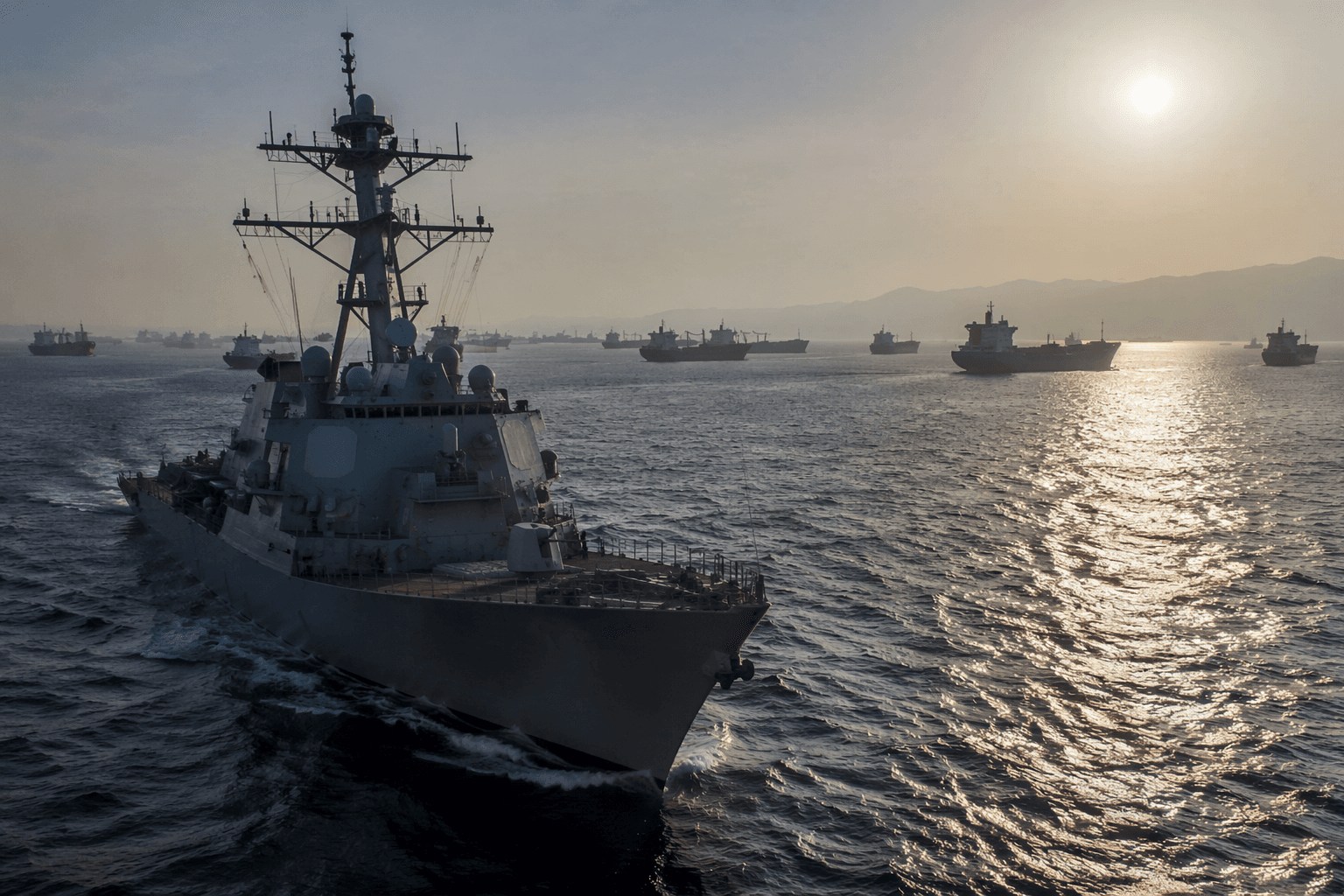
Any truce between Washington and Tehran would quickly be measured by tankers, not rhetoric. The Strait of Hormuz carries about 20 million barrels of oil a day, roughly a quarter of world seaborne oil trade, and it also funnels a huge share of Gulf gas exports, making even a short disruption a direct threat to fuel costs and inflation.
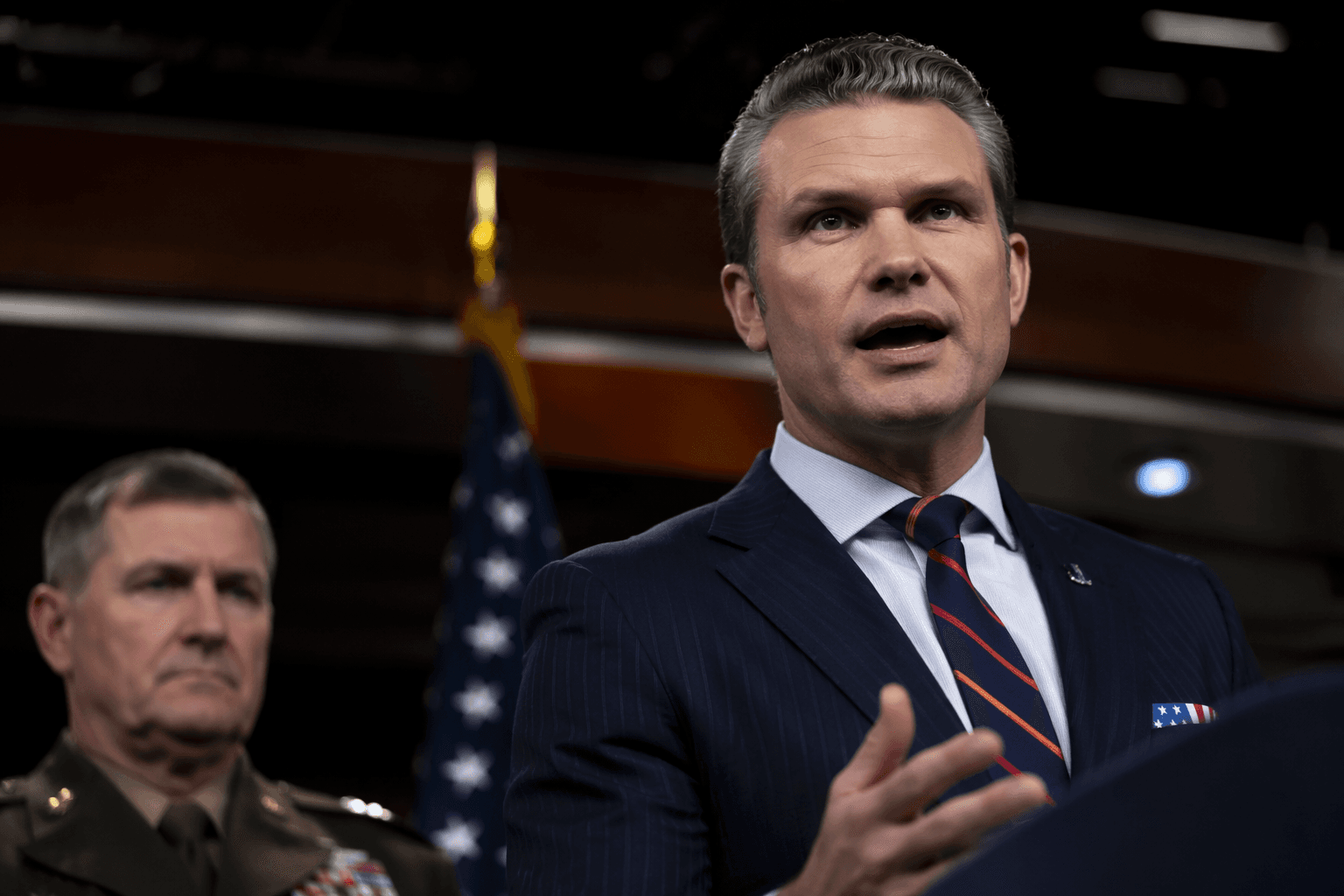
Defense Secretary Pete Hegseth said on Face the Nation with Margaret Brennan that the process of reopening the strait would begin "immediately" after the memorandum was signed. He said the United States was "on track" for a Sunday signing and added that the Pentagon was "already doing things I can't talk about on this program to ensure that safe passage occurs as soon as possible" through the waterway.
The scale of what is at stake is hard to overstate. The U.S. Energy Information Administration says about 20 million barrels per day, or around 25% of world seaborne oil trade, transits the strait. The International Energy Agency puts the oil figure at about 20 million barrels a day and says roughly 93% of Qatar’s LNG exports and 96% of the United Arab Emirates’ LNG exports move through the corridor between Iran and Oman. The House of Commons Library says the strait normally handles about 3,000 vessels a month.
The route has already been badly strained. Since conflict-driven disruption began on February 28, crude-oil shipping through the strait has fallen 95% and LNG shipments 99%, according to the House of Commons Library. That collapse has pushed up global prices and left insurers, shipowners and energy buyers treating each crossing as a risk calculation.
The Pentagon has already framed its response as a military-backed commerce mission. On May 5, the Department of War said Donald J. Trump had directed U.S. Central Command to launch "Project Freedom," a temporary and defensive effort meant to protect civilian shipping from Iranian aggression. The release said American forces would not need to enter Iranian waters or airspace, and that two U.S. commercial ships and American destroyers had already crossed the strait with support from more than 100 aircraft.
The diplomacy remained unsettled even as the White House signaled momentum. Bloomberg reported that a senior Trump administration official put the odds of a near-term deal at 80% to 85%. Reuters reported that Trump said the strait would open as soon as the deal was signed and that J.D. Vance would attend the ceremony in Europe, while Iranian officials said large parts of the agreement had been finalized but no final conclusion had been reached.
Hegseth also said the deal still had "logistics involved" and suggested Iran would need to rein in Hezbollah if it wanted the arrangement to hold. His warning echoed his April 24 push for Europe to help reopen the strait, when he told allies to "stop talking" and shoulder more of the burden. For now, the message is plain: safe passage through Hormuz can be announced quickly, but keeping it open will depend on a fragile bargain, armed enforcement and a region still one misfire away from renewed disruption.
This article was produced by Prism’s automated news system from verified source data, official records, and press releases, then run through automated quality and moderation checks before publishing. The system is built and supervised by the people who set the standards it runs under. Read our full AI policy.
Know something we missed? Have a correction or additional information?
Submit a Tip