Hegseth says US stands by Asia allies, presses for higher defense spending
Hegseth told Asia allies the U.S. was "not turning back," but said they must spend more as Washington shifts from subsidy to burden-sharing.
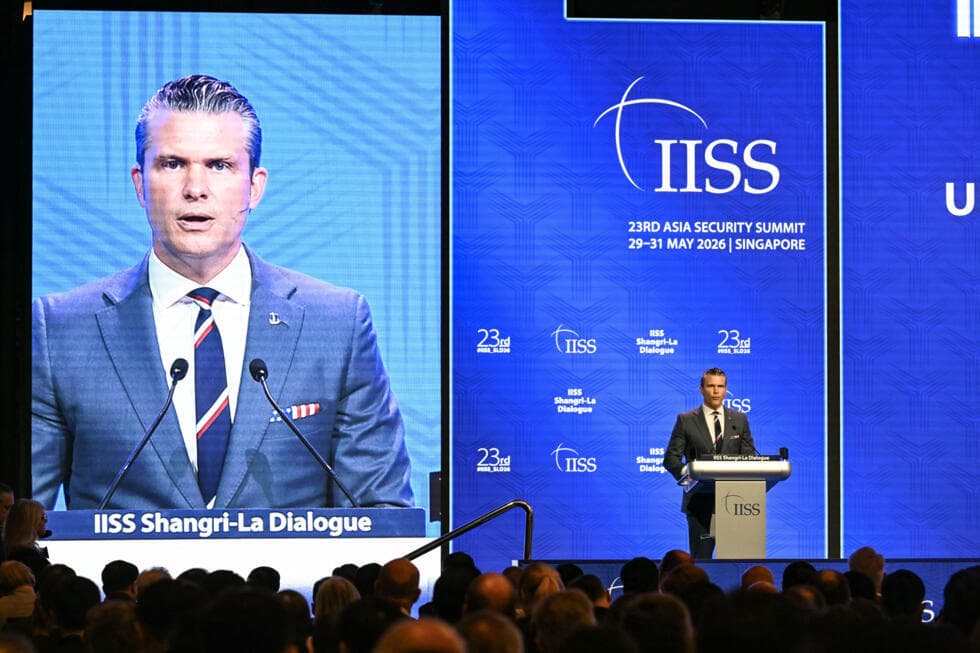
The United States is offering Asia a sharper bargain: reassurance in public, but a heavier bill in practice. Pete Hegseth told the Shangri-La Dialogue in Singapore that Washington was “not turning back” on its allies, even as he pressed them to spend more on defence and accept a more demanding role in deterring China.
Speaking on May 30 at the 23rd IISS Shangri-La Dialogue, Hegseth said “the era of the United States subsidizing the defense of wealthy nations is over” and framed the future of U.S. strategy as a move from dependency to “true partnership.” He warned of “rightful alarm” over China’s historic military buildup and said the United States wanted a Pacific region “not dominated by any hegemon.” The message was clear: Washington would stay engaged, but allies would need to carry more of the burden.
That burden-sharing theme came through in the numbers. The U.S. expects Asian allies and partners to raise defence spending to 3.5% of GDP, a benchmark that would push several governments well beyond current levels and force difficult budget choices. For countries already balancing ageing populations, weak growth and higher borrowing costs, the political trade-off is becoming more explicit: buy more arms, harden supply lines and assume greater regional risk, or face doubts about their place in Washington’s security strategy.
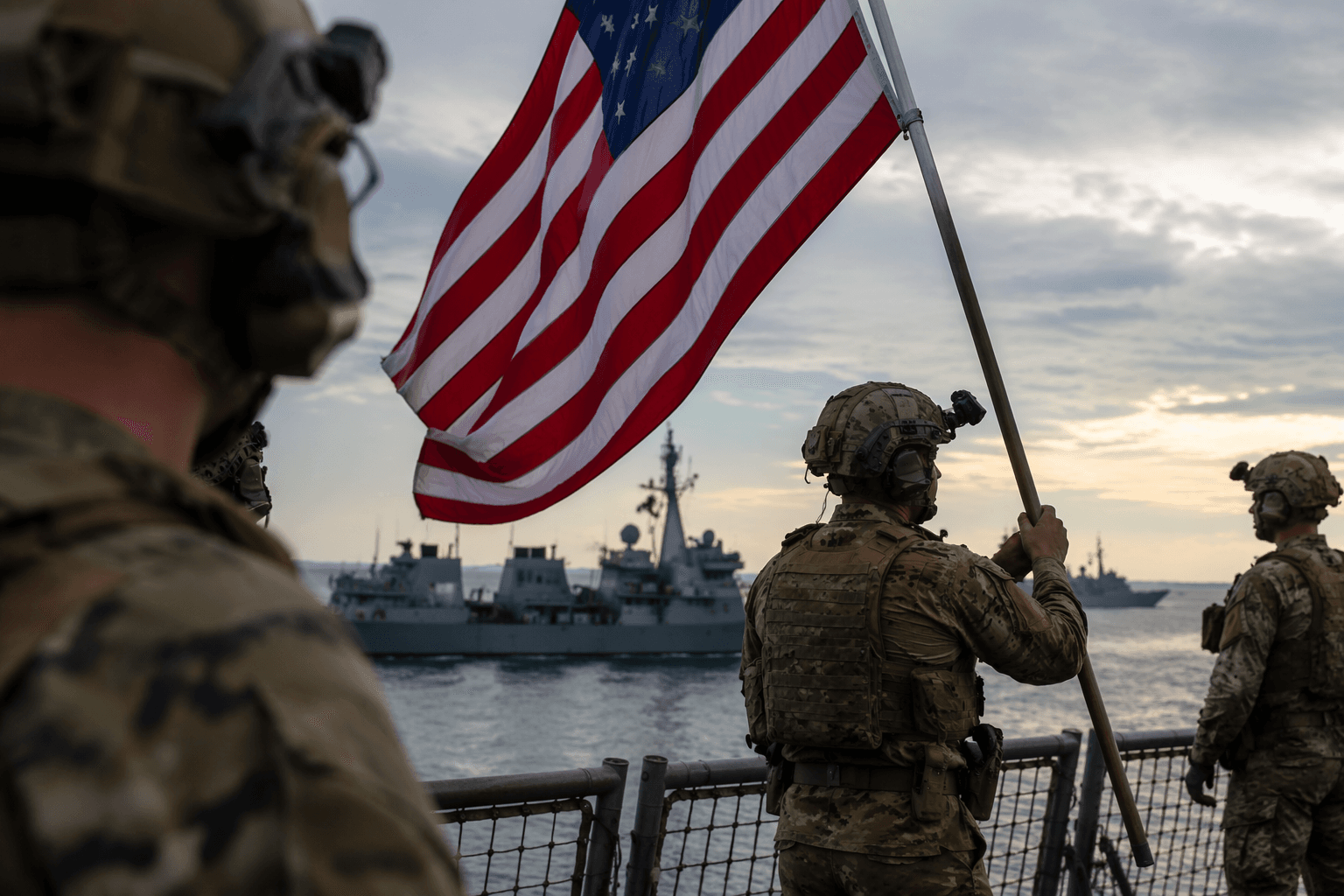
Hegseth’s remarks landed amid fresh anxiety over U.S. reliability. Regional questions have intensified after President Donald Trump’s recent positive talks with Chinese President Xi Jinping in Beijing, alongside a paused $14 billion weapons package to Taiwan and delayed Tomahawk missile deliveries to Japan. Hegseth had warned in 2025 that any Chinese attempt to conquer Taiwan by force would have devastating consequences for the Indo-Pacific and the world, but this year he struck a softer tone, focusing more on alliance management than on direct threats over Taiwan.
Japan’s Defence Minister Shinjiro Koizumi helped underscore the mood in Singapore, saying some countries might try to “drive a wedge” between the United States and its allies. Hegseth replied that the U.S. national defense strategy was aimed at power projection in the Pacific and working with allies. The two met in Singapore on May 30 and discussed Japan’s efforts to rapidly enhance defence capabilities, review strategic documents and increase defence spending. The Pentagon said they reaffirmed the critical role of the U.S.-Japan alliance in preserving peace in the Indo-Pacific.
China’s absence added to the symbolism. Beijing again sent a lower-level delegation rather than Defence Minister Dong Jun, who skipped the forum for a second straight year, leaving delegates in Singapore to read not just Hegseth’s words, but the widening gap between reassurance and conditionality in U.S. policy.
This article was produced by Prism’s automated news system from verified source data, official records, and press releases, then run through automated quality and moderation checks before publishing. The system is built and supervised by the people who set the standards it runs under. Read our full AI policy.
Know something we missed? Have a correction or additional information?
Submit a Tip