Trump weighs Iran deal as ceasefire talks hang in balance
Trump left Iran talks unresolved after a two-hour Situation Room meeting, keeping a ceasefire extension and Hormuz reopening in play.
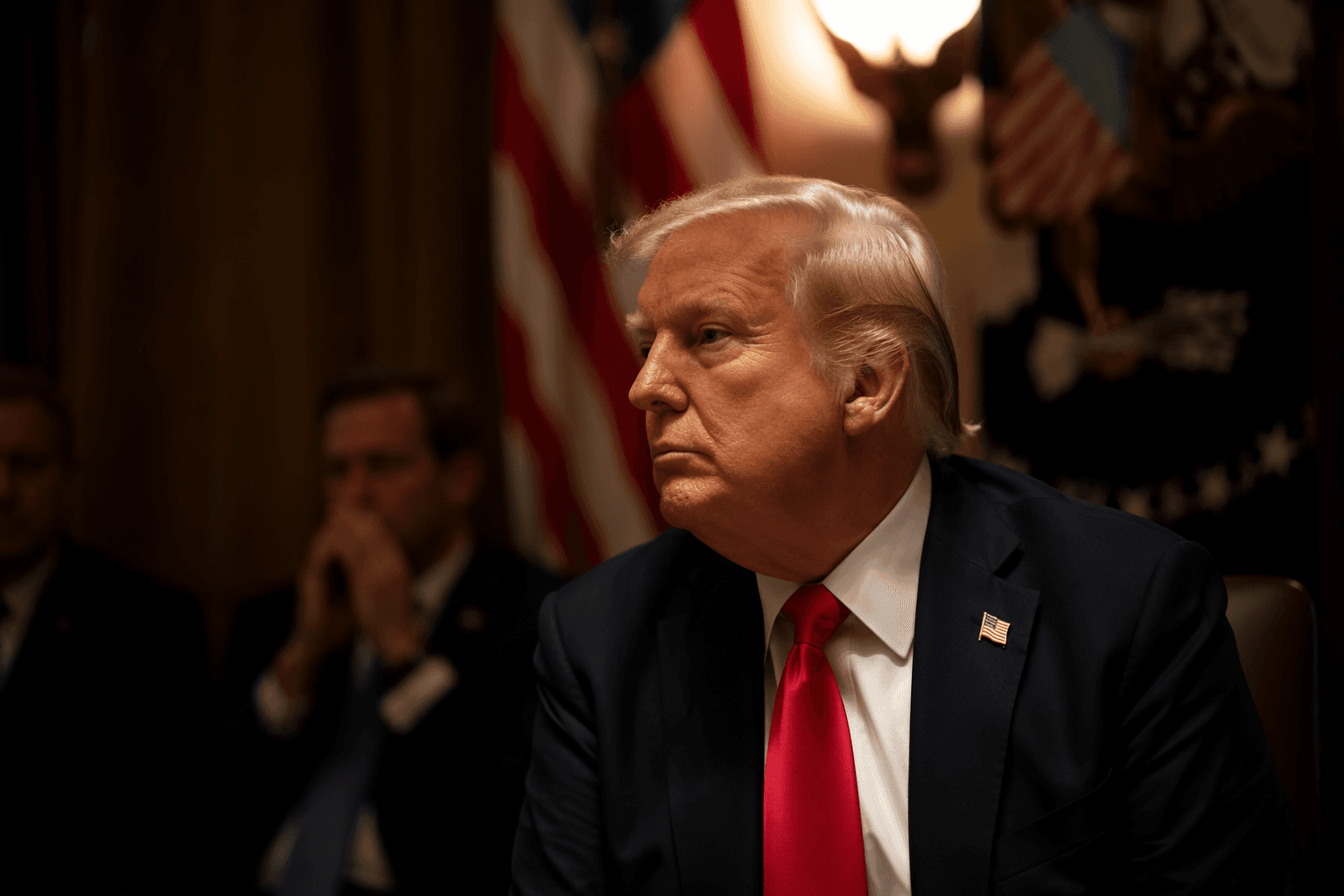
Donald Trump left Iran’s ceasefire talks hanging on Friday, telling advisers he would make a “final determination” soon after a two-hour meeting in the Situation Room. The delay kept military planners, diplomats and energy traders guessing over whether Washington would back a deal that could pause the war for another 60 days.
The outline on the table was stark. U.S. and Iranian negotiators had reportedly reached a tentative framework that would extend the current ceasefire, reopen the Strait of Hormuz and start a new round of talks on Iran’s nuclear program. The waterway is one of the world’s most sensitive choke points, carrying roughly one-fifth of global oil and liquefied natural gas supply, so even a temporary opening would have immediate implications for shipping routes, insurance costs and oil markets across the Middle East.
But the hardest issues remained unresolved. One was how to dispose of Iran’s highly enriched uranium stockpile, a question that goes to the heart of any nuclear curb. Another was the broader shape of the agreement itself, including whether the United States would ease sanctions on Iranian oil sales. Trump had said earlier in the week that a peace agreement was “largely negotiated,” but he stopped short of signing off, leaving the final call squarely in his hands.
That hesitation mattered because the conflict had already dragged on for about three months and had begun to reshape regional calculations. U.S. strikes and Iranian drone and missile activity near the Strait of Hormuz had deepened fears that the fighting could spill beyond Iran and Israel, pulling in Gulf states that depend on uninterrupted shipping lanes and stable energy flows. For Israel, any pause could buy time to consolidate gains; for Gulf allies, it could reduce near-term missile risk. For Tehran, the deal could offer relief from pressure if sanctions are eased, but only if Washington accepts terms Iran can sell at home.
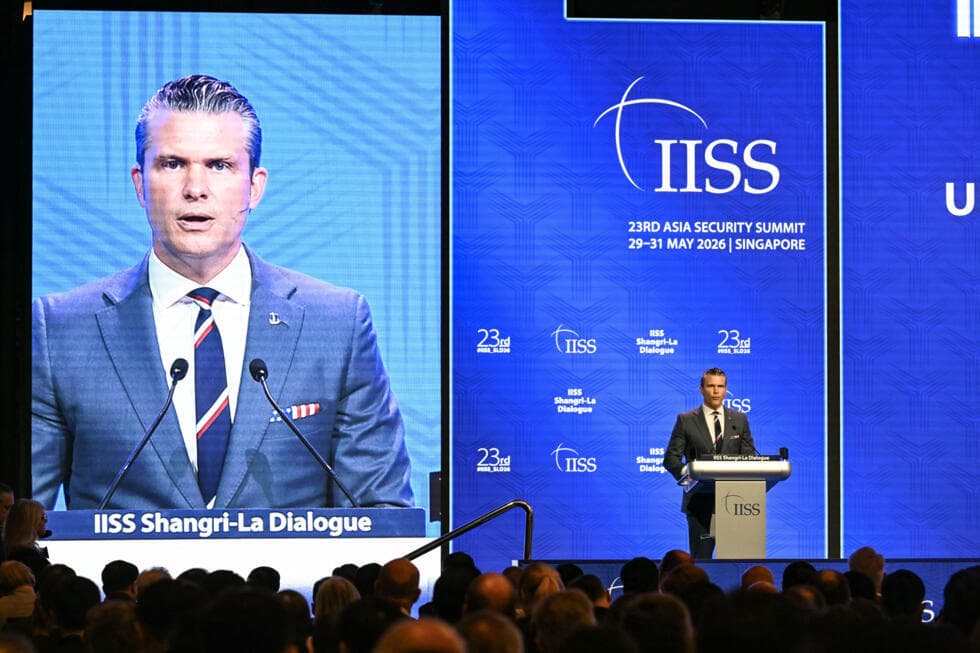
Marco Rubio said there had been “significant progress” in the talks, while Pete Hegseth said any deal would need to satisfy U.S. expectations. Still, Iran had not immediately confirmed any agreement, and the absence of a quick answer extended the market nerves that have shadowed the war from the start. In a region where one decision can open a waterway or close a path to wider war, Trump’s wavering has become its own strategic force.
This article was produced by Prism’s automated news system from verified source data, official records, and press releases, then run through automated quality and moderation checks before publishing. The system is built and supervised by the people who set the standards it runs under. Read our full AI policy.
Know something we missed? Have a correction or additional information?
Submit a Tip