Hegseth tells Asian allies to spend more for U.S. defense support
Pete Hegseth told Asian allies the U.S. would stop subsidizing rich nations' defenses unless they raise spending to 3.5% of GDP and take more responsibility.
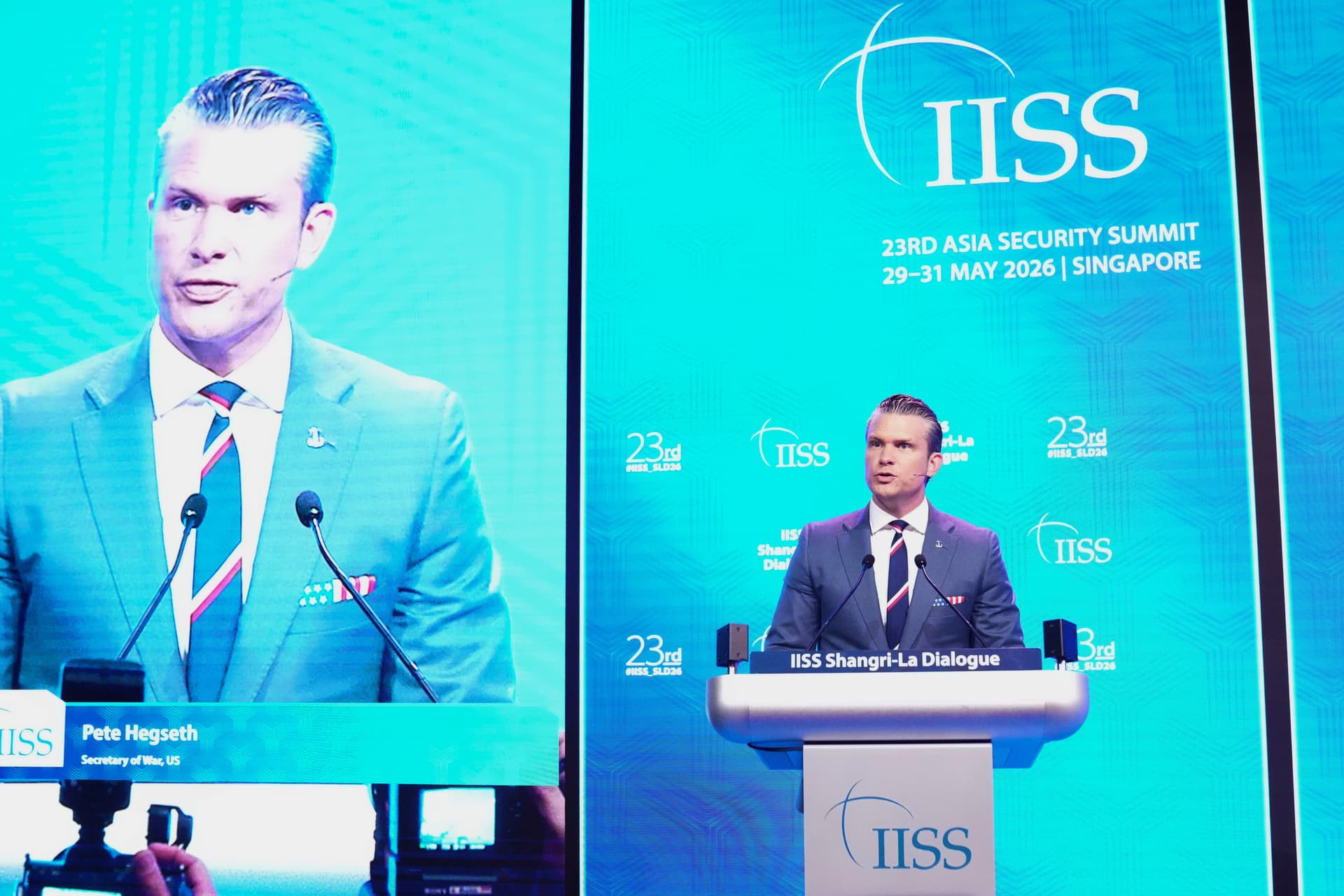
Pete Hegseth used Singapore’s Shangri-La Dialogue to put a price tag on American security support in Asia: spend more, shoulder more and accept a harder bargain if you want Washington’s help.
In a 25-minute speech at the International Institute for Strategic Studies forum, the defense secretary said the Trump administration’s alliance model rested on “shared responsibility, not dependency.” “The era of the United States subsidizing the defense of wealthy nations is over,” he said. “We need partners, not protectorates.” He said the United States expected Asian allies and partners to lift defense spending to 3.5% of gross domestic product.
Hegseth framed the region as central to American interests, saying it had “profound implications” for U.S. security and prosperity. He said Washington wanted a “favorable, but durable, balance of power” in the Pacific and insisted that no state, including China, should impose hegemony. The practical message for allies was unmistakable: more military spending, more procurement from the United States and deeper cooperation are the currency for staying near the front of the line for U.S. support.
The Pentagon said this was Hegseth’s fourth visit to the Indo-Pacific, and that he met Singapore’s prime minister and defense minister, along with other regional allies and partners. Those meetings reinforced the transactional tone of the trip. The administration wants allies to do more than issue statements of concern. It wants them to buy into a broader burden-sharing deal that ties defense budgets and operational cooperation more tightly to U.S. strategy.
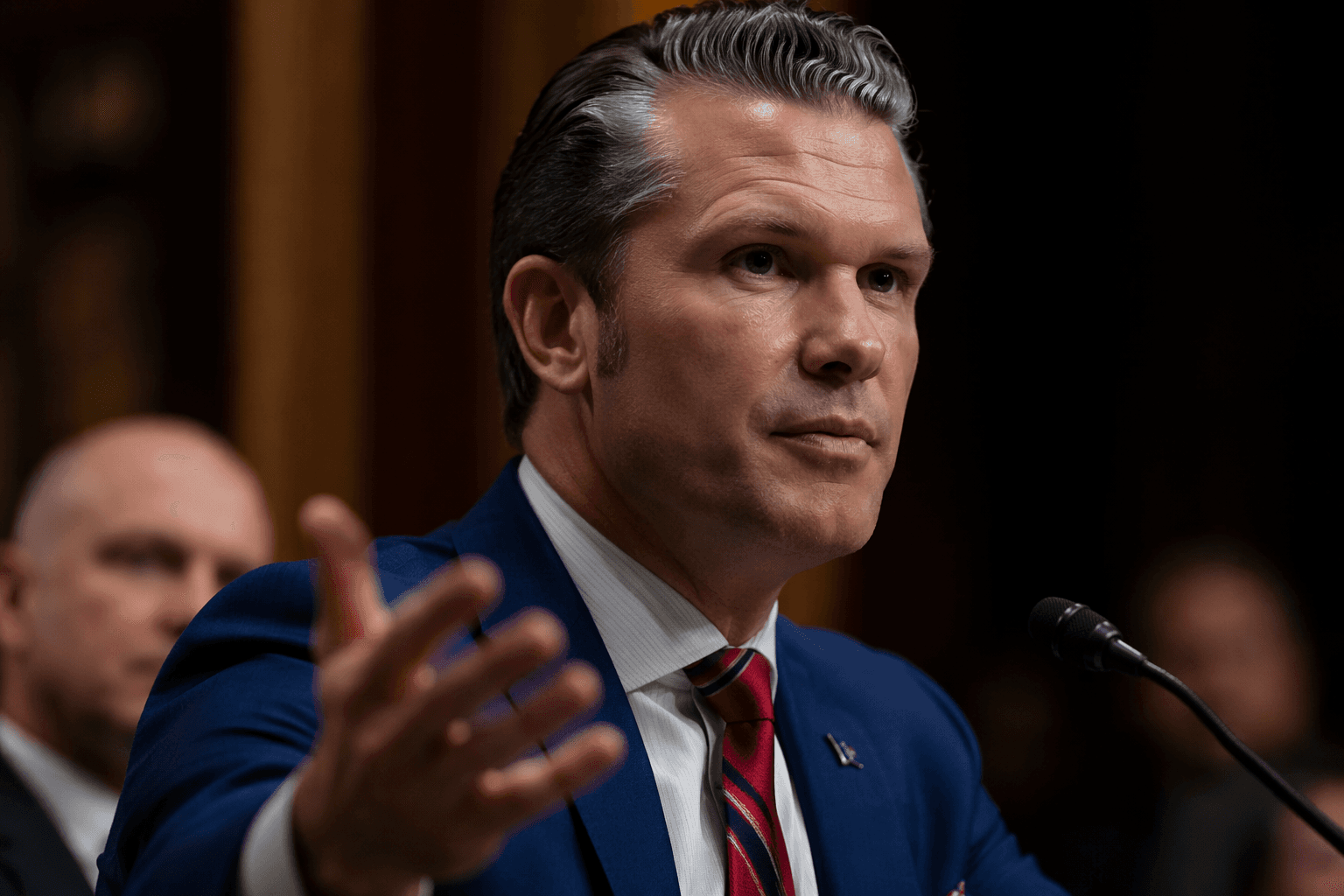
Hegseth also sought to soften the edges of his warning about China. He said relations with Beijing were “better than they have been in many years,” and pointed to improved military-to-military communication. He also told allies the United States was not “turning our backs” on Asia, including on arms deals, while saying Washington wanted to avoid “needless confrontation.” That reassurance mattered after a dialogue participant raised concern about a suspended $14 billion Taiwan weapons package.
The speech marked a clear adjustment from last year, when Hegseth drew Beijing’s anger by saying China was actively training every day for a Taiwan conflict. This time, he avoided repeating that direct warning. Even so, the underlying deal stayed the same: allies that increase defense spending and deepen cooperation will be rewarded with closer U.S. attention, while those that lag risk slipping down the line as Washington sharpens its deterrence posture against China.
This article was produced by Prism’s automated news system from verified source data, official records, and press releases, then run through automated quality and moderation checks before publishing. The system is built and supervised by the people who set the standards it runs under. Read our full AI policy.
Know something we missed? Have a correction or additional information?
Submit a Tip