Hezbollah leader urges Lebanon to cancel Israel talks as battle rages
Hezbollah pressed Beirut to scrap rare Israel talks as fighting raged in a strategic town, exposing whether Lebanon can control the militia.
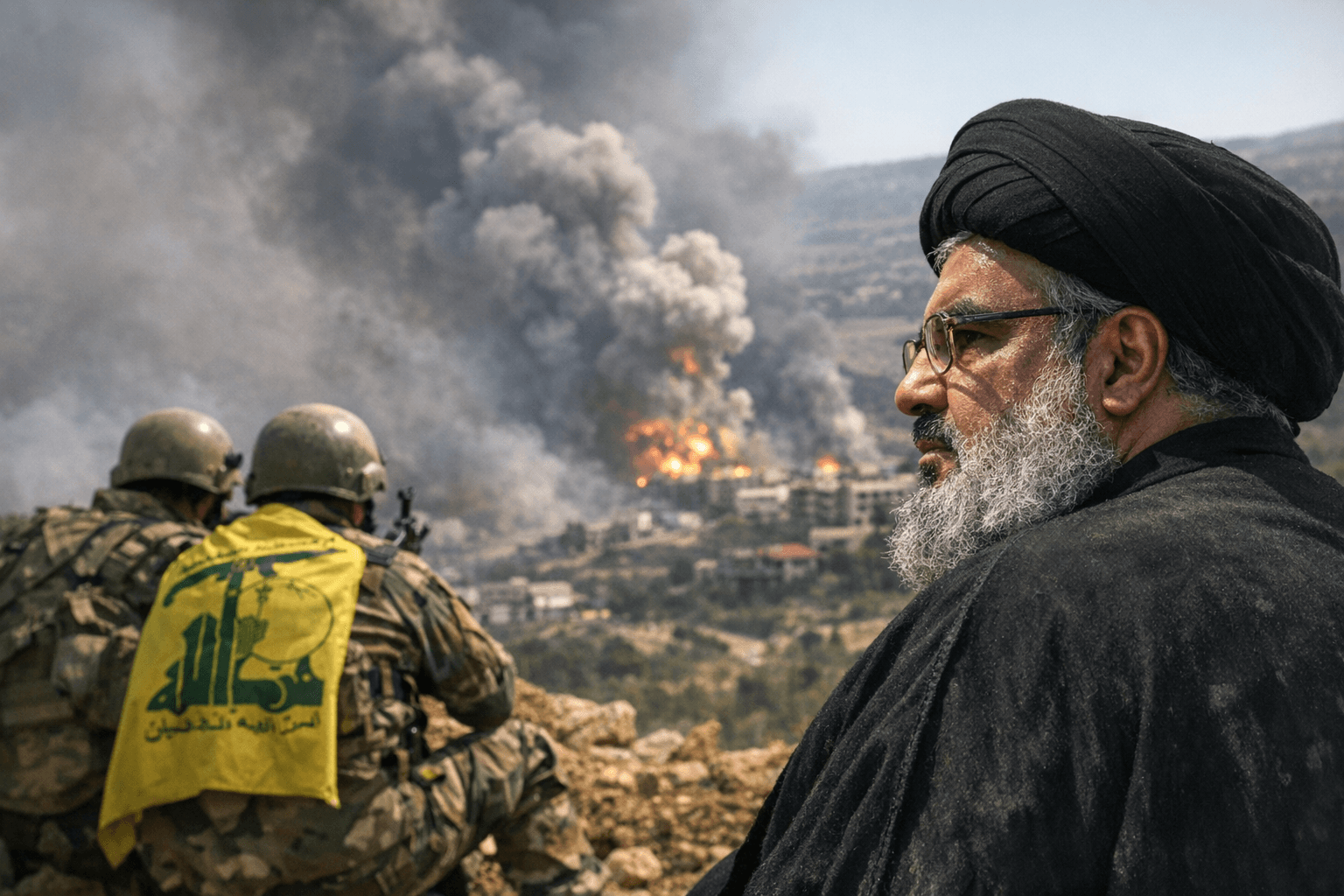
Hezbollah’s leadership tried to knock Lebanon’s rare opening to Israel off course just as the first direct contacts in decades were moving into the open. The push came while fighting raged in a strategic town, underscoring how quickly battlefield pressure can overwhelm diplomacy and how little room Beirut has to maneuver if Hezbollah refuses to stand down.
The talks were set to begin in Washington on Tuesday, April 14, with Israeli Ambassador Yechiel Leiter, Lebanese Ambassador Nada Hamadeh Moawad and U.S. Ambassador Michel Issa expected to take part in U.S.-mediated discussions. Lebanon’s presidency said the two ambassadors had already held the first direct phone call between Lebanese and Israeli officials in Washington on Friday, April 10, the first official contact between the two countries since 1983. That call, initiated under President Joseph Aoun, was meant to open a path toward an initial meeting at the U.S. State Department to discuss a ceasefire and the timeline for negotiations.
The diplomatic opening was immediately overshadowed by the war itself. Israel kept striking Lebanon even as the talks approached, and the Lebanese government, alongside the Trump administration, asked Israel for a pause in attacks before the negotiations began. The pressure point was not abstract. At least 1,888 people had been killed in Israeli attacks in Lebanon during the current war, and a massive barrage on April 8 killed at least 112 people and wounded 837 more, according to the Lebanese health ministry toll. Another account put the death toll from that day’s bombardment at 357 in a single day.
That scale of destruction has given Hezbollah every incentive to try to blow up the diplomatic track before it hardens into something that could constrain the group. Yechiel Leiter has said Israel would enter formal peace negotiations, but not a ceasefire discussion with Hezbollah. That distinction matters because it points to a process aimed at states, not the armed group that still dominates the confrontation on the ground.
The deeper problem is authority. Hezbollah rejects disarmament and does not consider itself bound by any agreement reached by Lebanon’s government with Israel. That leaves President Aoun’s initiative exposed to a basic test: whether Beirut can negotiate on behalf of a state when the most powerful armed actor inside that state can veto the outcome. For now, the talks look less like a breakthrough than a narrow corridor that could close at the next strike.
This article was produced by Prism’s automated news system from verified source data, official records, and press releases, then run through automated quality and moderation checks before publishing. The system is built and supervised by the people who set the standards it runs under. Read our full AI policy.
Did this article answer your question?