High winds snarled travel and raised fire risk in Albany County
Strong Jan. 15 winds gusting to 80 mph disrupted I-80 travel and raised wildfire risk for Albany County residents.
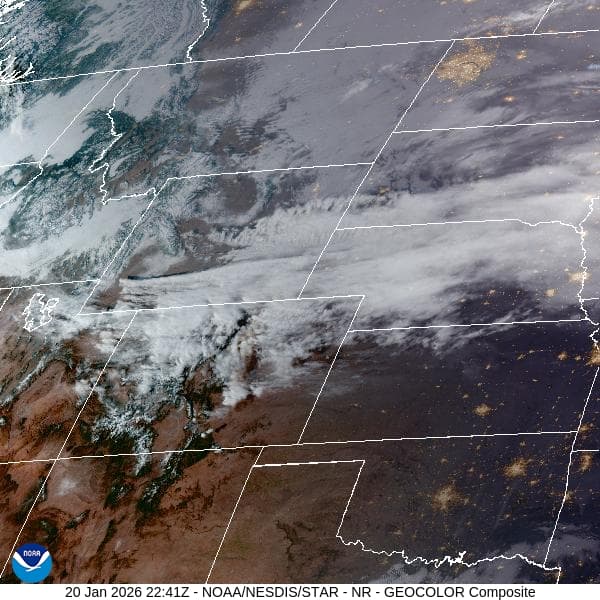
A National Weather Service Cheyenne office High Wind Warning that ran through Jan. 17 produced northwest winds of 40 to 50 mph with gusts up to 80 mph across the South Laramie Range and its foothills, including the Interstate 80 summit between Cheyenne and Laramie. The principal impacts were to transportation and to fire danger in grassland areas where very dry fuels and low humidity increased the potential for rapid wildfire spread.
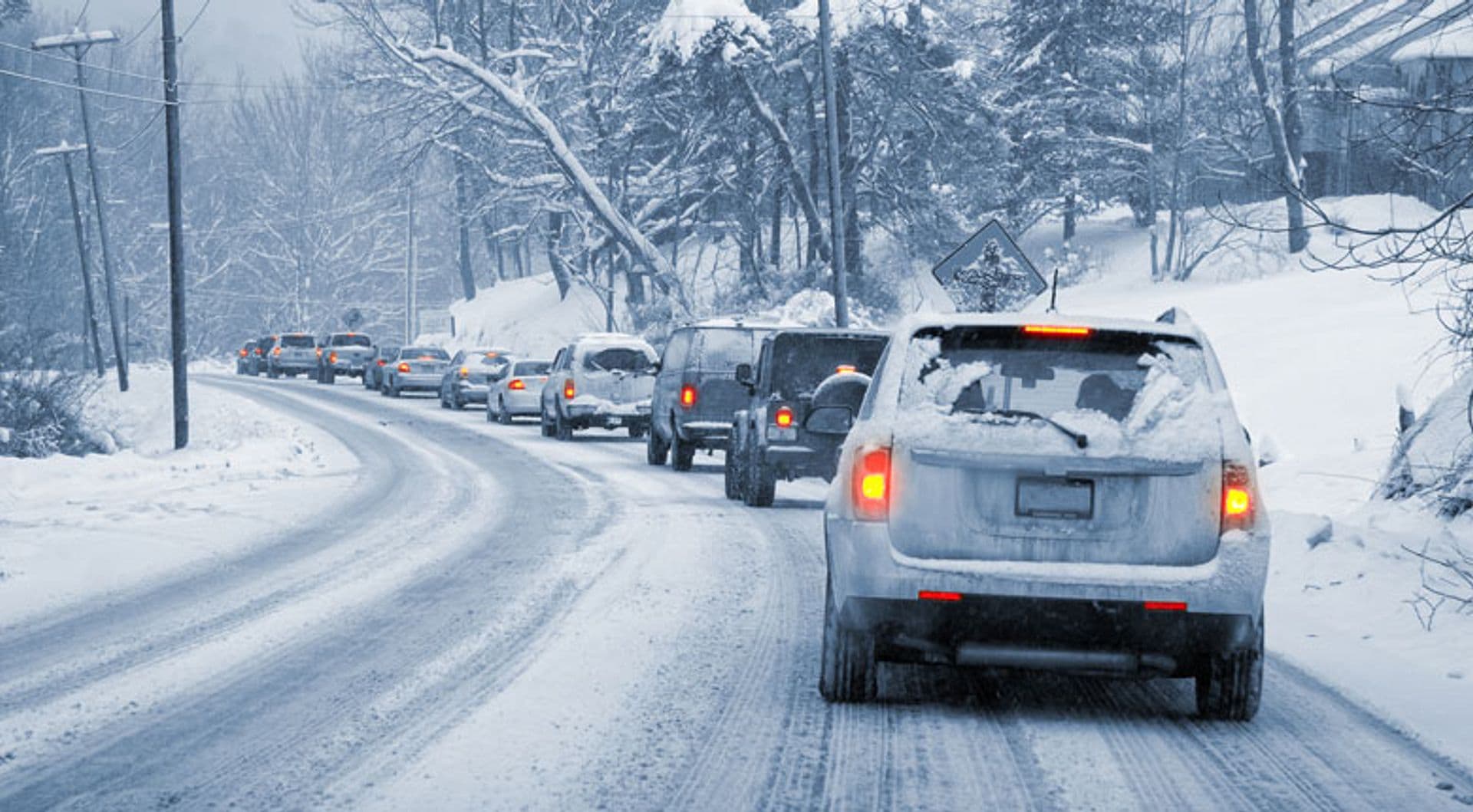
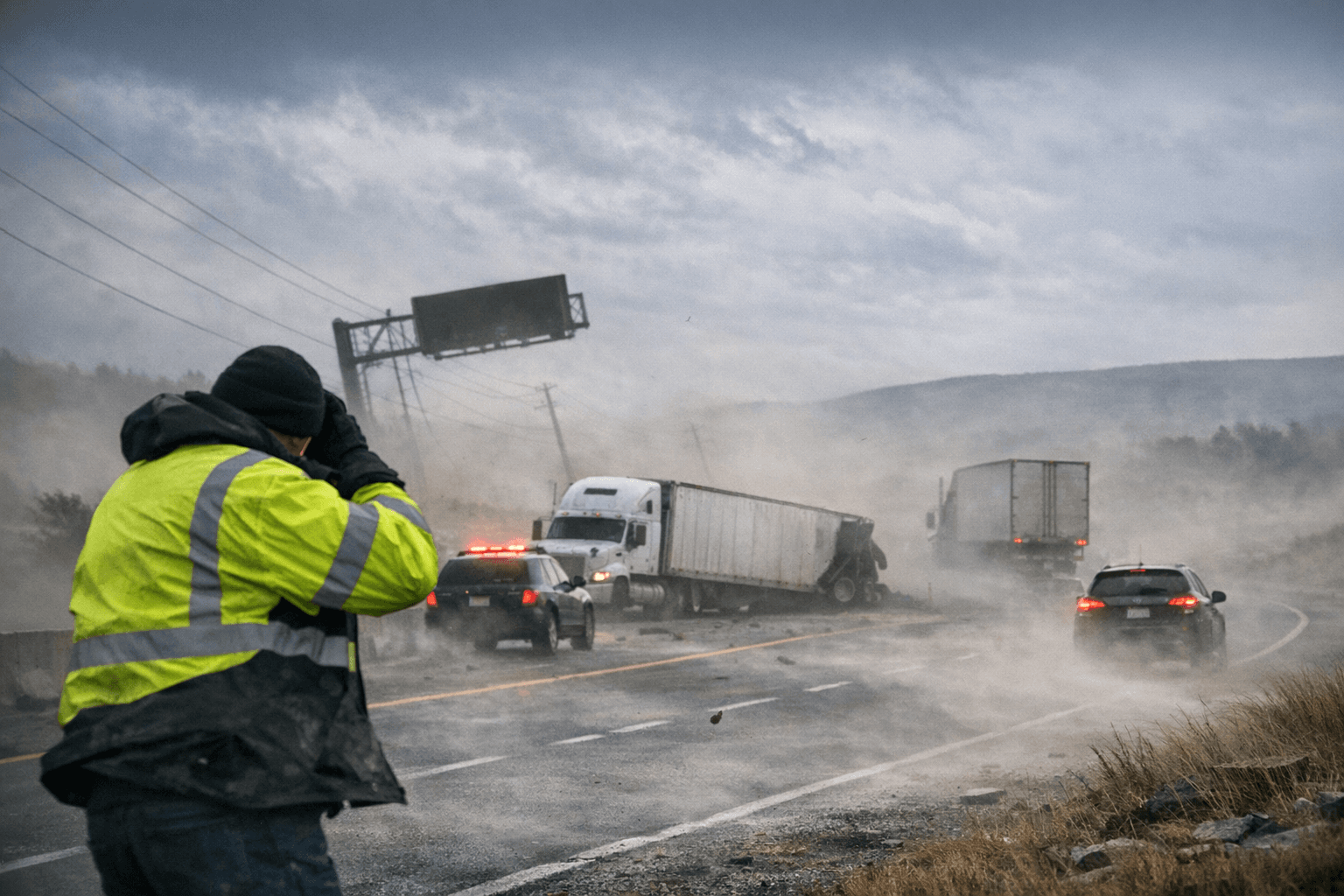
The most immediate local consequence was hazardous driving conditions on exposed ridgetops and interstate passes. Strong cross winds posed a blow-over risk for lightweight and high-profile vehicles, including campers and tractor trailers, and likely forced slower traffic, temporary closures, or detours on I-80 during the warning window. Albany County commuters and freight operators felt the effects first, as I-80 is a primary east-west freight corridor; even short delays on the summit translate into longer delivery times and higher operating costs for truckers and local businesses that depend on just-in-time shipments.
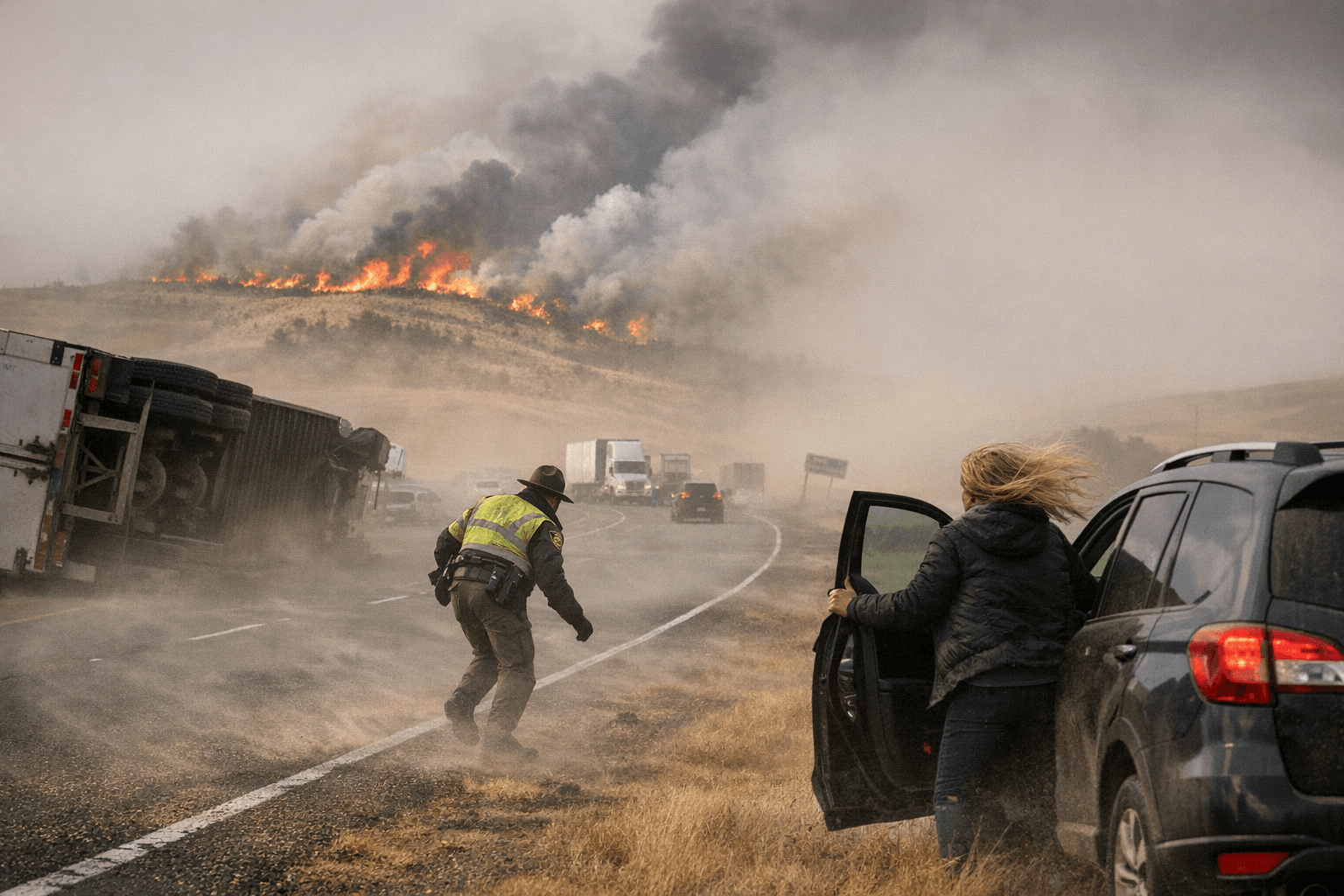
Beyond transportation, emergency managers flagged the combination of gusty winds and dry fuels as an elevated wildfire concern in grazing and grassland areas. Rapid fire spread under those conditions can multiply suppression costs, strain volunteer and county firefighting resources, and raise insurance exposure for ranches and rural properties. County road crews and public works teams were advised to secure loose objects and prepare to respond to fallen debris or downed lines, a recurring operational cost when wind events spike.
The warning urged residents to avoid outdoor burning and other ignition sources while high winds persisted, and to use extreme caution if travel across exposed ridgelines was unavoidable. Those local preparedness steps reduce immediate risk but also point to longer-term policy questions for Albany County: how to balance the costs of pre-positioning emergency crews and maintaining road safety equipment against sporadic but disruptive wind events, and whether to expand real-time signage and closure protocols on I-80 summit approaches to limit exposure for high-profile vehicles.
For residents, the takeaways are practical. Secure outdoor items, postpone open-air burning, and check state Department of Transportation conditions before travel over passes. For county officials and businesses, repeated high-wind episodes underline the need to factor weather-driven delays and wildfire risk into budgets and contingency plans. As winter winds subside, attention will shift to how local infrastructure and emergency systems are adjusted to reduce disruption when the next strong wind event arrives.
Sources:
Know something we missed? Have a correction or additional information?
Submit a Tip