Hill wins Frisco mayor runoff after anti-Muslim rhetoric sparks backlash
Mark Hill beat Rod Vilhauer in Frisco’s runoff after anti-Muslim remarks turned a mayor’s race into a test of suburban coalition politics.
Mark Hill won Frisco’s mayoral runoff with about 58% of the vote, defeating Rod Vilhauer by a margin of more than 19,000 ballots after a campaign defined by anti-Muslim rhetoric and backlash. Hill, a Frisco ISD school board trustee and attorney, will become the city’s first new mayor in nine years.
The runoff on June 13 followed a crowded May race in which none of the four candidates reached 50%. Early voting ran from June 2 through June 9, and the city said the election would be canvassed at its June 23 Summer Work Session. Hill’s victory marked a clear rejection of the tone that came to dominate the contest.
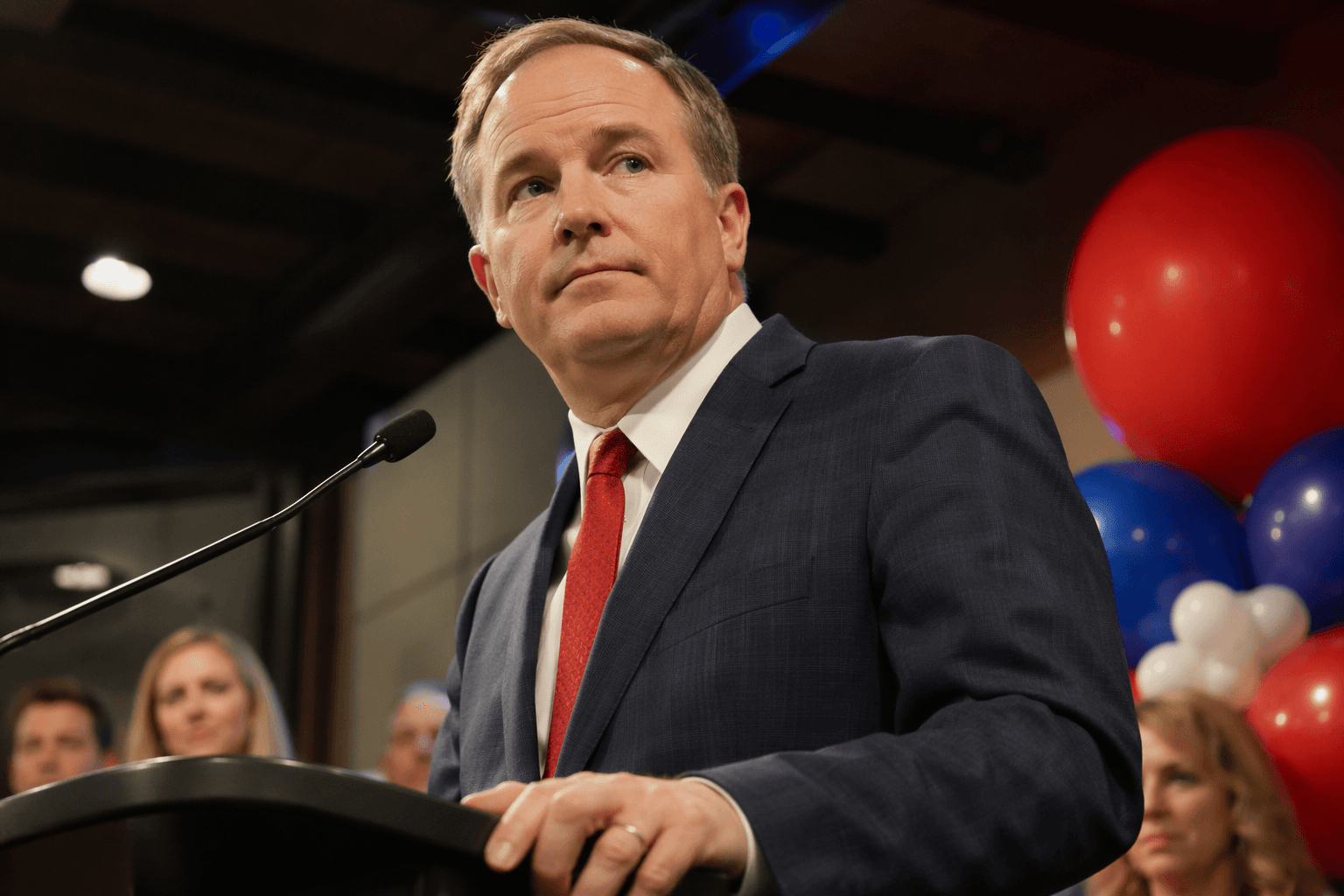
Vilhauer, a retired construction business owner and former planning and zoning commissioner, drew sharp criticism after telling a Frisco Chamber of Commerce forum that people who follow Sharia and govern themselves by it “are not welcome here” and that he would “never welcome them here.” He also faced backlash for comparing Indian immigrants to rats and calling Islam a “terrorist ideology.” Vilhauer later apologized for remarks about immigrants, but the damage had already spread through a city where questions of religion and belonging had become central to the race.
Hill argued throughout the campaign that Vilhauer’s language was hurting Frisco’s image and could drive away families and businesses. At the same forum, some audience members applauded Vilhauer’s comments, while others applauded Hill’s pushback, underscoring how deeply the city had split over the issue. The runoff became less about routine municipal management than about whether overt anti-Muslim messaging could still carry a fast-growing suburban electorate.
That tension reflected wider strains in Frisco, where city leaders have spent hours hearing public testimony over a proposed mosque, a Jain temple and a Hindu temple. After the meetings became a flashpoint, the city council canceled public input for non-agenda items. Jeff Cheney, the outgoing mayor, said many of the disruptive commenters were not Frisco residents and, in some cases, were not even from Texas.
Frisco still has about 10% to 15% of residential build-out remaining, a sign that the city’s population and politics are still in flux. Jason Blazakis, a scholar at the Middlebury Institute’s Center on Terrorism, Extremism and Counterterrorism, said divisive rhetoric by state and federal officials can embolden local politicians and “raises the temperature” in damaging ways. Hill’s win suggests that in a city still being remade by new residents and new identities, that strategy may have reached its limits.
This article was produced by Prism’s automated news system from verified source data, official records, and press releases, then run through automated quality and moderation checks before publishing. The system is built and supervised by the people who set the standards it runs under. Read our full AI policy.
Know something we missed? Have a correction or additional information?
Submit a Tip