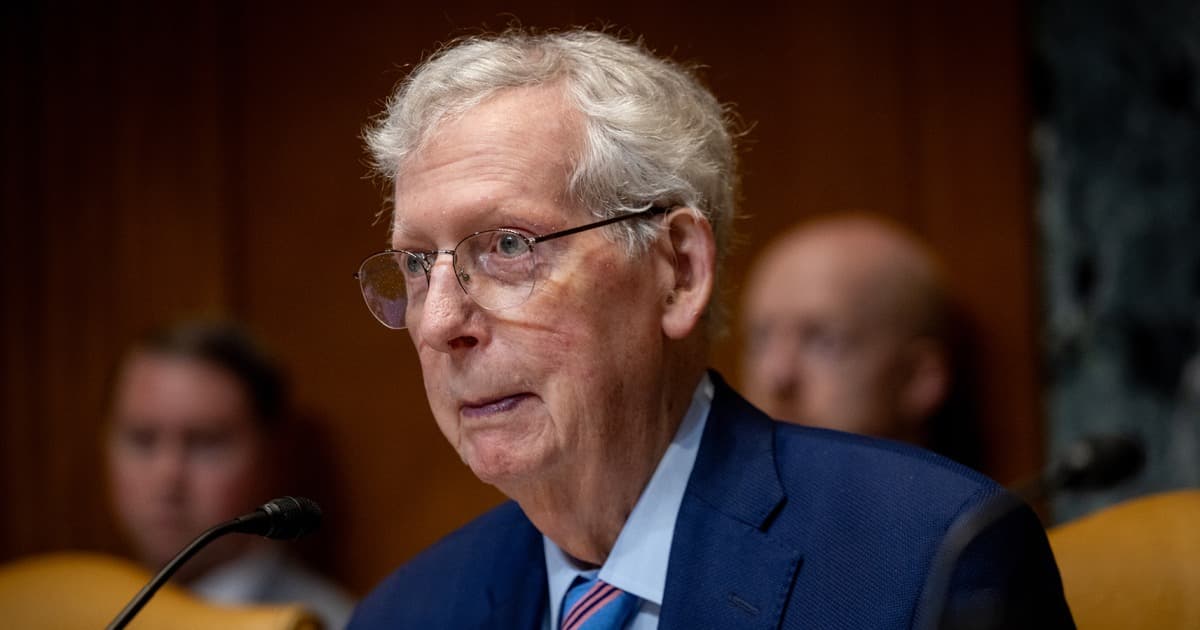
Kelly, Warner and Cohn discuss Iran truce, prices and defense concerns
A fragile Iran truce, warnings about U.S. munitions and gasoline prices drove the sharpest exchanges as Kelly, Warner and Cohn framed the stakes for families and the Pentagon.
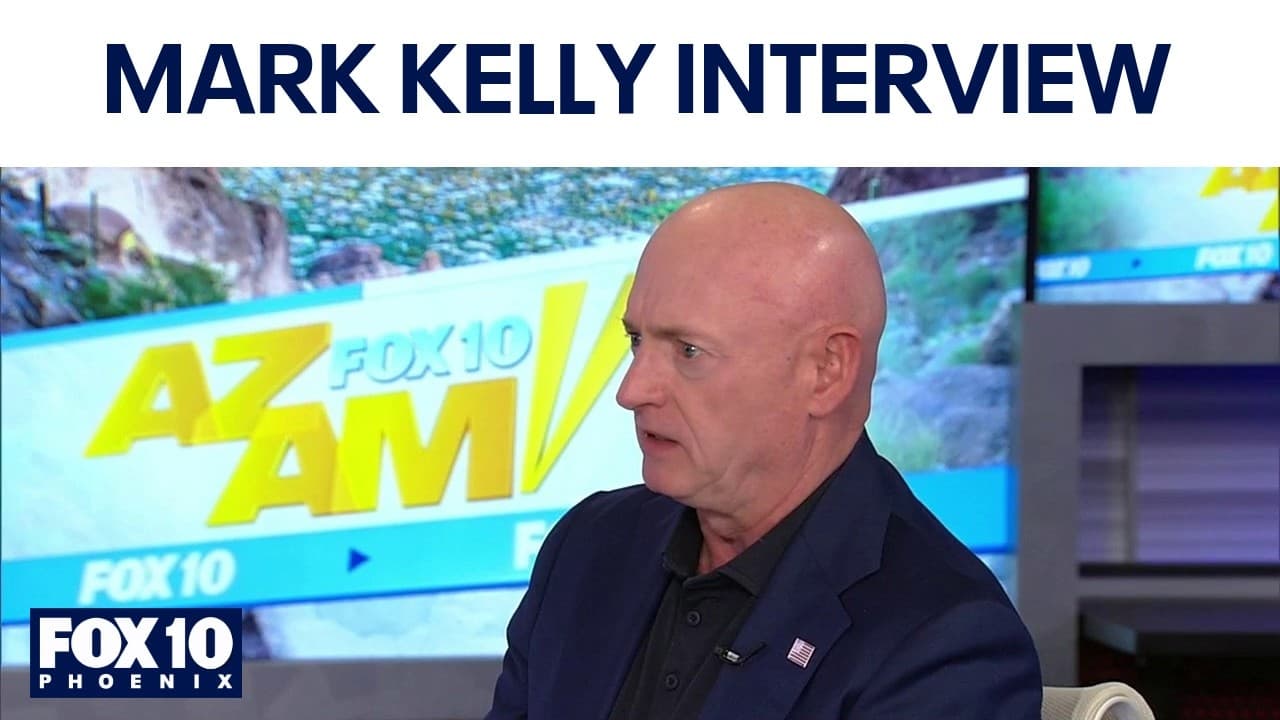
A fragile truce with Iran, the strain on U.S. weapons stockpiles and the pressure of fuel prices gave the conversation its edge. Mark Kelly, Mark Warner and Gary Cohn each pulled the argument back to a different national worry, but the common thread was clear: a conflict in the Middle East was already landing in American households, on military planners and in Congress.
The morning broadcast centered on the ceasefire effort as Qatari mediators traveled to Tehran to finalize the agreement. That backdrop made Pete Hegseth’s remarks on reopening the Strait of Hormuz especially consequential, because any disruption there can ripple through oil markets, shipping routes and consumer costs well beyond the Gulf.
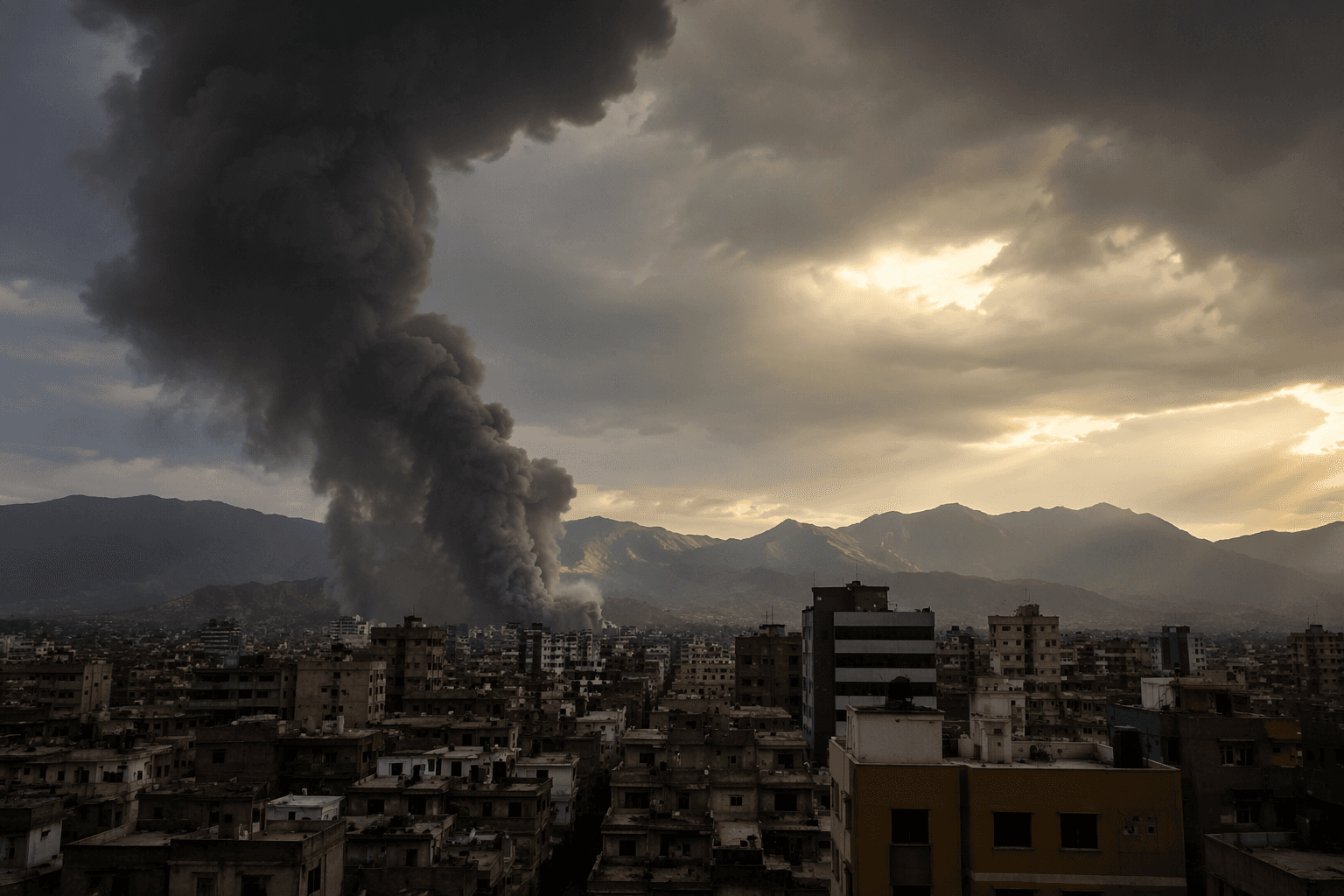
Kelly, the Democratic senator from Arizona, focused on military readiness. In the exchange that followed his earlier clash with Hegseth after testimony before the Senate Armed Services Committee, Kelly said the United States has “a munitions issue” because of the scale of the air campaign. He pointed to more than 10,000 targets, underscoring a familiar but often hidden problem: the United States can project force quickly, but sustained conflict can expose limits in inventory, industrial capacity and resupply.
Warner was even more direct about the political and strategic costs. The Virginia Democrat and vice chairman of the Senate Intelligence Committee called the conflict Donald Trump’s “war of choice,” questioned whether the United States and its allies had improved their position after 107 days and said Congress had “failed miserably” on oversight. He also said troops on the ground would be needed to move enriched uranium, a step he said he did not think America wanted. His criticism placed the war not just in the realm of foreign policy, but in the larger debate over executive power and congressional accountability.
Cohn brought the discussion back to the kitchen table. The IBM vice chairman and former National Economic Council director said prices would not fall “overnight,” but added that gas prices were already about 10% below recent highs. He said consumers would begin to see a shift in psychology as the Strait of Hormuz reopened and oil started flowing again. For families still watching every trip to the pump, that point mattered as much as the diplomatic language in Tehran.
This article was produced by Prism’s automated news system from verified source data, official records, and press releases, then run through automated quality and moderation checks before publishing. The system is built and supervised by the people who set the standards it runs under. Read our full AI policy.
Know something we missed? Have a correction or additional information?
Submit a Tip