Hilo Farmers Market: Hundreds of Vendors, Peak Crowds and Limited Parking
Hundreds of vendors draw peak crowds to the Hilo Farmers Market, straining limited parking. Residents rely on the market for fresh food and local income.
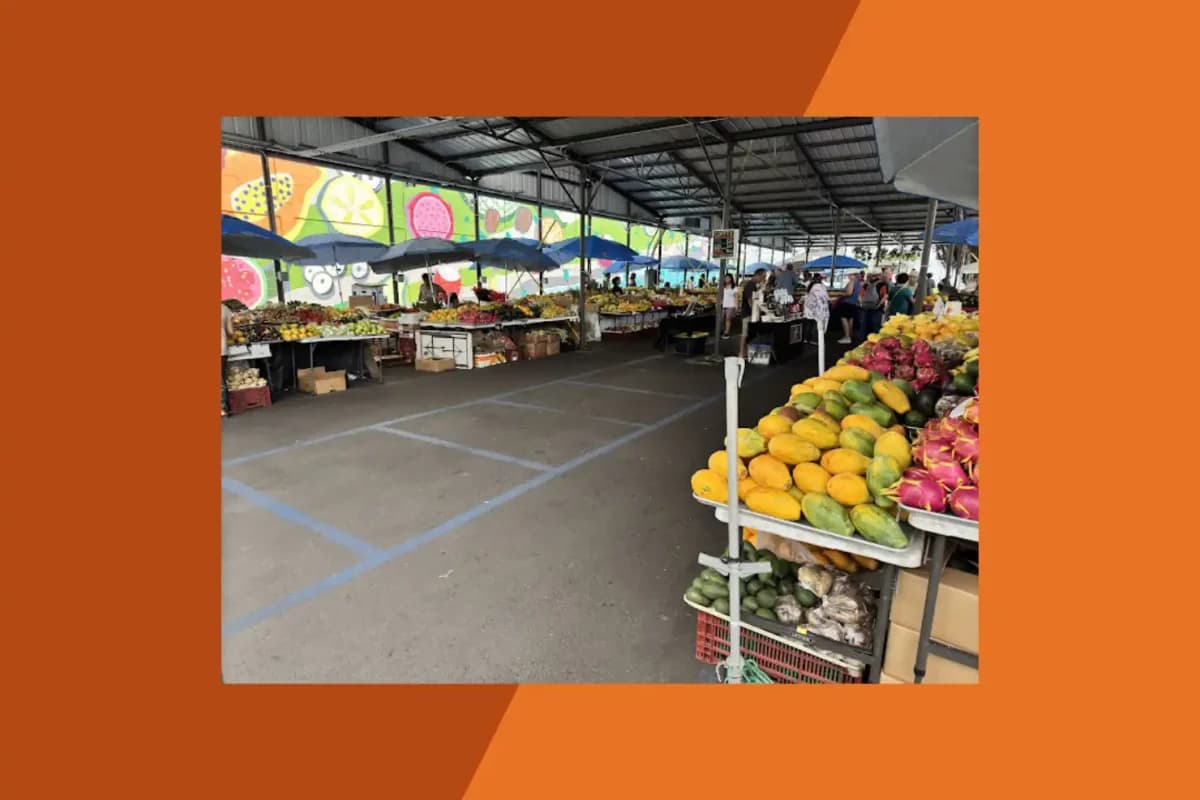
Hundreds of vendors line the block at the corner of Kamehameha Avenue and Mamo Street as the Hilo Farmers Market continues to anchor downtown Hilo’s food and cultural life. Operating most prominently on Wednesdays and Saturdays, the market routinely attracts heavy mid-morning traffic, drawing visitors and residents for fresh produce, prepared foods, crafts and local artwork.
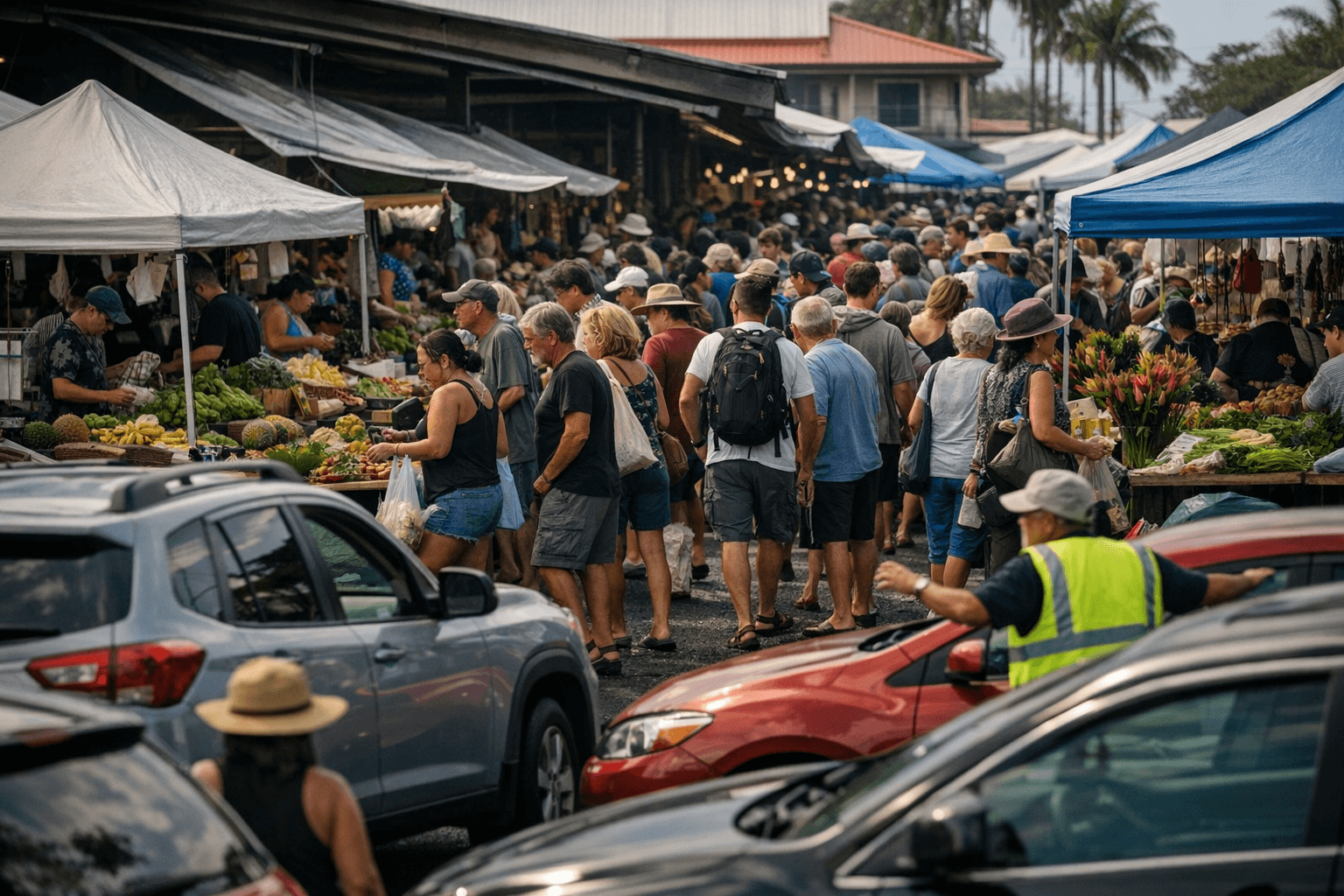
The scale of the market - with hundreds of small-scale sellers occupying street stalls and public spaces - produces regular peak crowds that test downtown infrastructure. On Saturdays the busiest periods are mid-morning, when the best selection for produce and prepared foods is available. Visitors are advised to arrive early for selection, bring cash for vendor purchases, and expect limited parking as public lots and on-street options fill quickly.
The market’s role in the local economy is substantial. It serves as a primary retail outlet for many farmers, artisans and food entrepreneurs who depend on market days for household revenue and business growth. That concentration of economic activity also concentrates demands on municipal services - parking enforcement, trash collection, public safety and traffic control - that county leaders must manage to keep the market functioning smoothly.
Limited parking has emerged as a recurring operational issue. Public lots and metered on-street spaces are available nearby, but capacity is often exhausted during peak hours. The strain affects local traffic flow, delivery access for vendors and the experience of shoppers, especially older residents and families who rely on close access. County officials face choices about how to balance support for the market with downtown circulation and neighborhood needs, including options such as wayfinding signage, expanded short-term parking, shuttle or transit enhancements, and clearer vendor loading regulations.
Institutional decisions will have policy implications for local budgeting and planning. Investments in parking management or transit alternatives would require allocation decisions at the county level and coordination with downtown business owners and community groups. Zoning and permitting practices also shape how the market operates and how vendors access resources such as electricity, waste disposal and public restrooms.
For residents, the market remains a recommended stop for fresh food and locally made goods, with practical steps to ease individual visits: plan to come early on Saturdays, carry cash for quicker transactions, and be prepared to use nearby public lots or on-street parking. For civic stakeholders, the recurring parking and congestion issues present an opportunity for community engagement. County leaders can be held accountable through public meetings and budget discussions to ensure the market’s infrastructure keeps pace with demand while preserving its central role in Hilo’s economy and culture.
What comes next is a local policy conversation: how to maintain the market’s accessibility and vibrancy while investing in the infrastructure that supports vendors, shoppers and downtown residents.
Sources:
Know something we missed? Have a correction or additional information?
Submit a Tip