Himes blasts Trump’s Pulte pick as dangerous intelligence appointment
Jim Himes called Bill Pulte the “worst most dangerous” of Trump’s appointments as a Section 702 fight and a looming intelligence deadline collided.

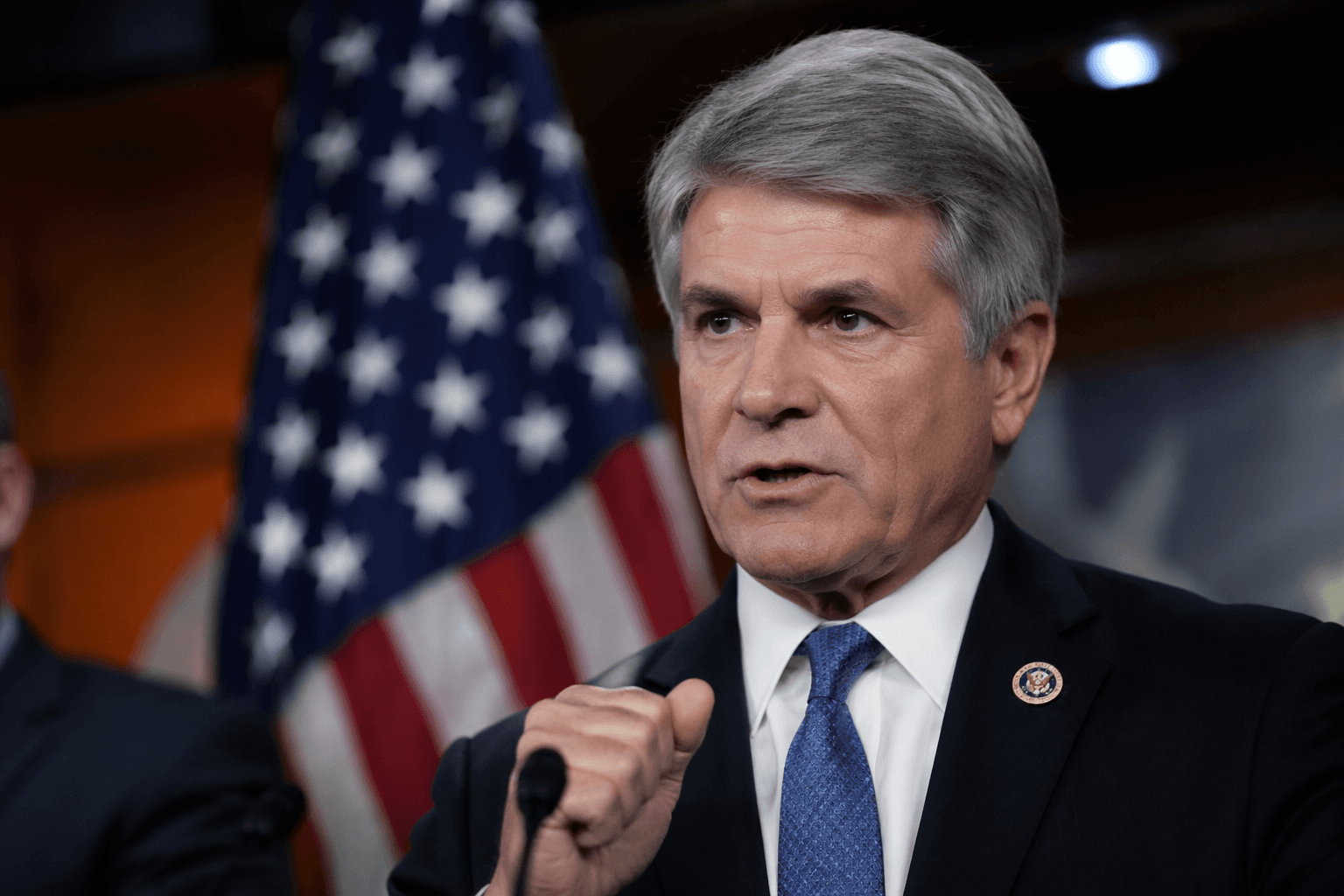
Jim Himes, the top Democrat on the House Intelligence Committee, said President Donald Trump’s choice of Bill Pulte to serve as acting director of national intelligence was “probably the worst most dangerous” of Trump’s “basket of awful appointments.” Speaking on Face the Nation with Margaret Brennan, Himes argued that installing a housing official with no national security or intelligence experience at the top of the intelligence bureaucracy raised immediate alarms about independence and oversight.
Trump announced on June 2 that Pulte, the director of the Federal Housing Finance Agency, would temporarily replace Tulsi Gabbard at the Office of the Director of National Intelligence. The arrangement put Pulte in charge of a post that sits at the center of U.S. surveillance policy, while he continues to run an agency that oversees Fannie Mae, Freddie Mac and the Federal Home Loan Banks. The FHFA says William J. Pulte was sworn in as its fifth director on March 14, 2025, after bipartisan Senate confirmation.
The timing sharpened the political stakes. Gabbard said she was stepping down as DNI effective June 30 to care for her husband, Abraham Williams, after he was diagnosed with a rare bone cancer. But the intelligence vacancy opened just as Congress was already fighting over Section 702 of the Foreign Intelligence Surveillance Act, the surveillance authority that has become one of the most sensitive issues in Washington.
Senate Democrats warned that Pulte’s appointment could complicate reauthorization of Section 702. The Senate voted 47-52 on June 5 against beginning debate on a renewal measure, and a 45-day extension passed in late April set a June 12 deadline. Himes said the new appointment effectively pushed the issue off the table, intensifying fears that a politically connected acting DNI could weaken the leverage needed to preserve or reform the program.
The White House tried to frame the move differently, saying in a June 4 release that Trump’s appointment of William J. Pulte was drawing praise from lawmakers in the nation’s capital. But the reaction from Democrats was sharply negative, and concern from some Republicans underscored how unusual it is to hand intelligence authority to someone whose career has been centered on housing finance.
The episode has become a broader test of institutional guardrails. An acting DNI can shape how the intelligence community handles surveillance authorities, briefings and internal priorities, and critics say those powers should not be exercised by a loyalist with no intelligence background. The fight over Pulte now mirrors a familiar Washington pattern: when presidents use sensitive national security posts to reward political allies, Congress is forced to decide whether oversight norms still carry enough weight to matter.
This article was produced by Prism’s automated news system from verified source data, official records, and press releases, then run through automated quality and moderation checks before publishing. The system is built and supervised by the people who set the standards it runs under. Read our full AI policy.
Know something we missed? Have a correction or additional information?
Submit a Tip