McCaul urges tougher sanctions on Putin to force Ukraine talks
McCaul pushed tougher sanctions on Putin and more U.S. pressure, saying Moscow will not concede without it as Republicans debate how hard to back Ukraine.
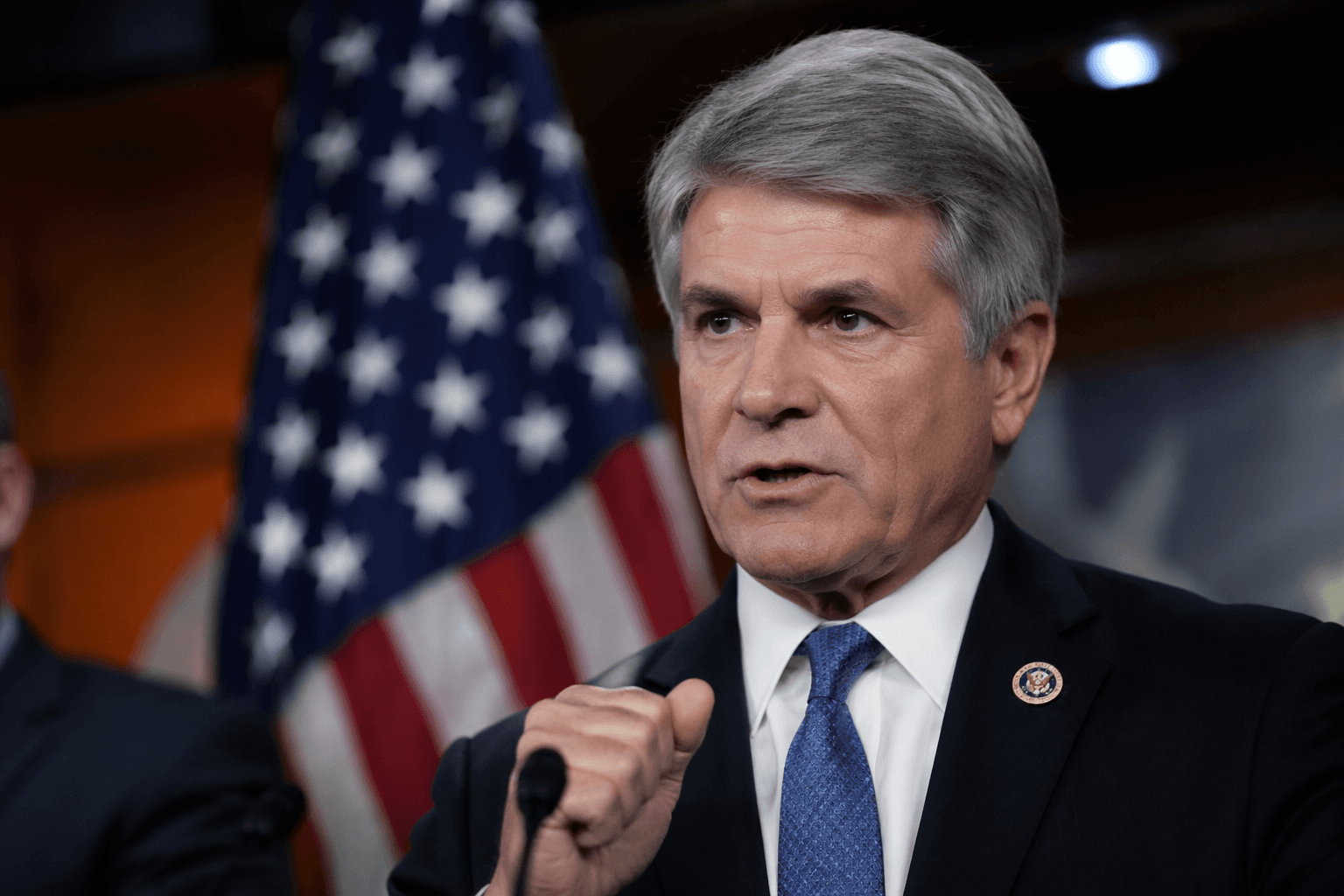
Rep. Michael McCaul used a Sunday television appearance to argue that the United States should harden its pressure campaign on Vladimir Putin if Washington wants Russia to negotiate seriously over Ukraine. The Texas Republican’s case put a familiar hawkish instinct back at the center of a widening GOP debate over whether to keep backing Kyiv aggressively or move toward a more restrained posture.
McCaul told Martha Raddatz on ABC News’ This Week, "I think we need to put tougher sanctions on Putin," and added, "If you want a serious negotiation, Putin has to have pressure put on him if he is going to make any concessions at all." He also said, "I'm in on that fight," and called for continued U.S. support for Ukraine.
In practical terms, tougher action would build on a sanctions regime that has been in place for years. The State Department says Executive Order 13660, signed on March 6, 2014, authorized sanctions on individuals and entities responsible for violating Ukraine’s sovereignty and territorial integrity. After Russia’s full-scale invasion on February 24, 2022, the United States and 37 other partners and allies imposed sweeping sanctions and export controls, while Washington also banned imports of Russian energy products in March 2022.
The military side of the policy is already substantial. The State Department says the United States has provided $66.9 billion in military assistance to Ukraine since the full-scale invasion and about $69.7 billion since Russia’s initial invasion in 2014. It also describes the United States as the largest single-country donor of humanitarian assistance to Ukraine.
McCaul’s comments carried added weight because of his role in shaping Republican foreign policy. He became the first Texan to chair the House Foreign Affairs Committee at the start of the 118th Congress and now serves as chairman emeritus. He has long been one of the party’s most prominent foreign-policy hawks, and he has previously warned against any peace deal that lacks "ironclad" security guarantees for Ukraine.
That warning echoes a broader question in Washington: whether sanctions, weapons, and diplomatic pressure can force the Kremlin into meaningful talks, or whether Moscow will simply wait out Western resolve. The U.S. State Department has continued to keep diplomacy active, including a March 11, 2025, U.S. proposal for an immediate, interim 30-day ceasefire, but McCaul’s remarks suggested he sees leverage, not conciliation, as the path to a deal.
This article was produced by Prism’s automated news system from verified source data, official records, and press releases, then run through automated quality and moderation checks before publishing. The system is built and supervised by the people who set the standards it runs under. Read our full AI policy.
Know something we missed? Have a correction or additional information?
Submit a Tip
