Historians see eerie parallels between today's unrest and 1968 America
The 1968 playbook is back in conversation because the same forces, assassinations, riots, war and distrust, are resurfacing in a faster, more connected age.
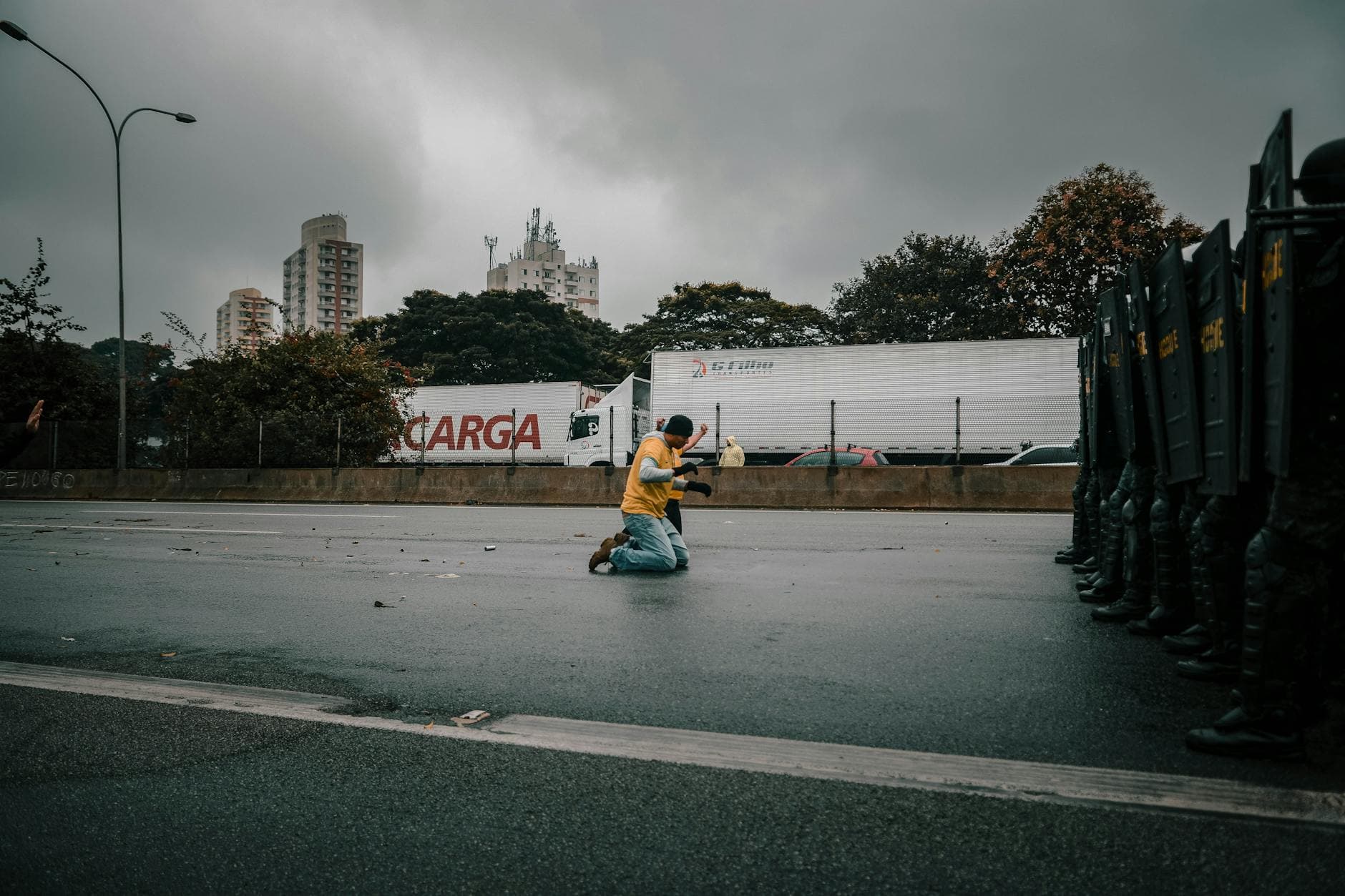
Why 1968 still shadows the present
The comparison lands so hard because 1968 was not just another bad year. It became a shorthand for a country under stress, when political division, public fear and violent spectacle seemed to feed on one another and make the social fabric feel as if it were coming apart.
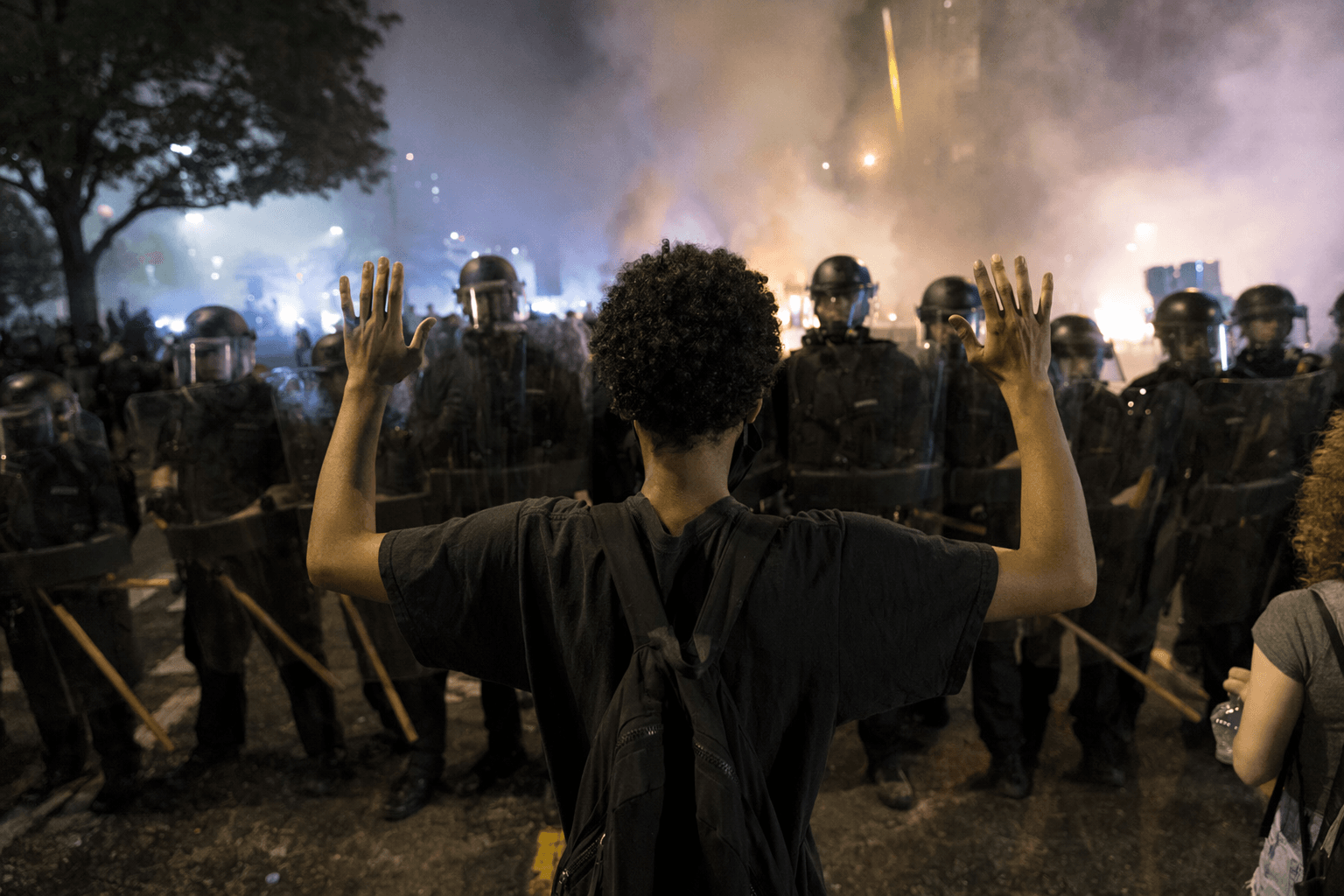
Historians and National Archives material describe that year as one of the most tumultuous in modern U.S. history. War, riots, violent protest clashes and two assassinations gave Americans a sense that the political system was not merely contested but endangered.
The year that made the analogy unavoidable
The sequence of events in 1968 still defines the public memory of the era. Martin Luther King Jr. was assassinated on April 4, 1968, in Memphis, Tennessee, and Robert F. Kennedy was killed on June 5, 1968, after a period already marked by upheaval and grief.
Then came the Vietnam War’s Tet Offensive on January 30, 1968, which shocked Americans and intensified the sense of national crisis. In historical accounts, the combination of battlefield surprise, urban unrest and political murder turned 1968 into something more than a difficult election year. It looked like a national warning flare.
That is why commentators keep returning to it now. The analogy is not just about violence itself, but about the feeling that institutions are losing their ability to contain it, explain it or restore confidence after it erupts.
The machinery of distrust
The federal government’s own history of the late 1960s reinforces that mood. The FBI has described the period as one marked by chaos and violence, and it has said that Watergate unfolded in a climate of widespread unease. That matters because it shows how public disorder and institutional suspicion were entwined, not separate stories.
COINTELPRO is central to that history. The program began in 1956 and was expanded in the 1960s to target domestic groups including the Ku Klux Klan, the Socialist Workers Party and the Black Panther Party. All COINTELPRO operations ended in 1971, but the legacy of those tactics left a long trail of distrust around federal power, surveillance and political policing.
That context helps explain why 1968 remains more than a calendar date. It became a template for how quickly unrest can spread from the streets to the governing class, and from there into the broader public imagination.
Where the comparison still holds
The strongest parallel today is not that the country has copied 1968 exactly. It is that bitter political divides again make large parts of the public feel as if normal democratic rules are losing their force. That emotional climate, more than any single event, is what historians recognize from the late 1960s.
There is also a familiar sense of fragmentation. In both eras, people confronting the news could see violence, protest and political extremism not as isolated incidents but as symptoms of something larger and harder to control. The result is a national mood that can seem unstable even before institutions formally break down.
Security experts and historians also note a practical similarity: once violence enters the political conversation, it can reshape behavior far beyond the immediate event. Leaders become more defensive, crowds more volatile and public trust more brittle, which can make every new incident feel like proof that the system is weakening.
Where the analogy breaks down
The differences matter as much as the similarities. The late 1960s were defined by television, newspapers and slower information loops, while today’s political violence can spread through social media at extraordinary speed. That means extreme views and violent imagery can reach far more people, far faster, and with less chance for context or correction.
That changes the risk. In the 1960s, the damage of a single assassination or riot was enormous, but the narrative still moved through relatively limited channels. Now a shocking clip can ricochet across platforms in minutes, hardening anger, deepening fear and amplifying copycat behavior before institutions have time to respond.
This is the crucial distinction for anyone comparing eras. The 1960s warn about the danger of polarization and violence, but the digital age adds a distribution system for outrage that the older period never had.
What it means for public institutions now
If 1968 offers a lesson, it is that public institutions cannot rely on memory alone to preserve legitimacy. They need credibility, transparency and restraint, because once citizens conclude that violence is routine and authority is reactive, restoring confidence becomes much harder than containing the original crisis.
The late-1960s record also suggests that institutional overreach can deepen the problem. COINTELPRO’s expansion in that decade shows how quickly efforts to control domestic unrest can become part of the controversy themselves, leaving a legacy that outlasts the immediate threat.
That is why the historical comparison is so unsettling. The echoes of 1968 are real, especially in the mix of polarization, political violence and public unease, but the modern information environment makes the stakes different. The country is not simply reliving the past; it is confronting an older pattern inside a much faster and more combustible system.
This article was produced by Prism’s automated news system from verified source data, official records, and press releases, then run through automated quality and moderation checks before publishing. The system is built and supervised by the people who set the standards it runs under. Read our full AI policy.
Did this article answer your question?

