Trump approval hits new low as voters fret costs, Iran war
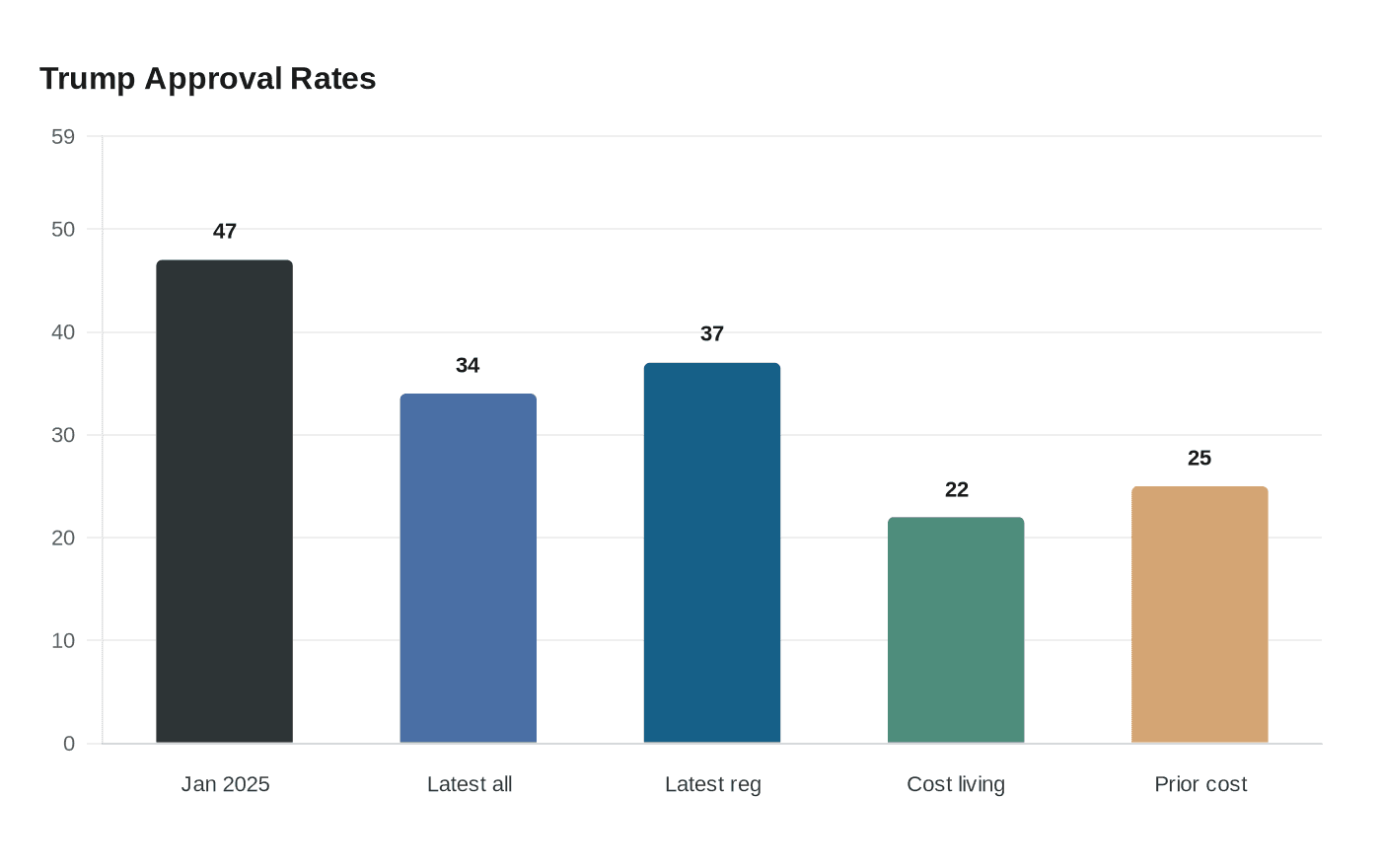
Trump’s approval fell to 34%, a second-term low, as only 22% backed his handling of living costs and voters blamed him for higher gas prices.
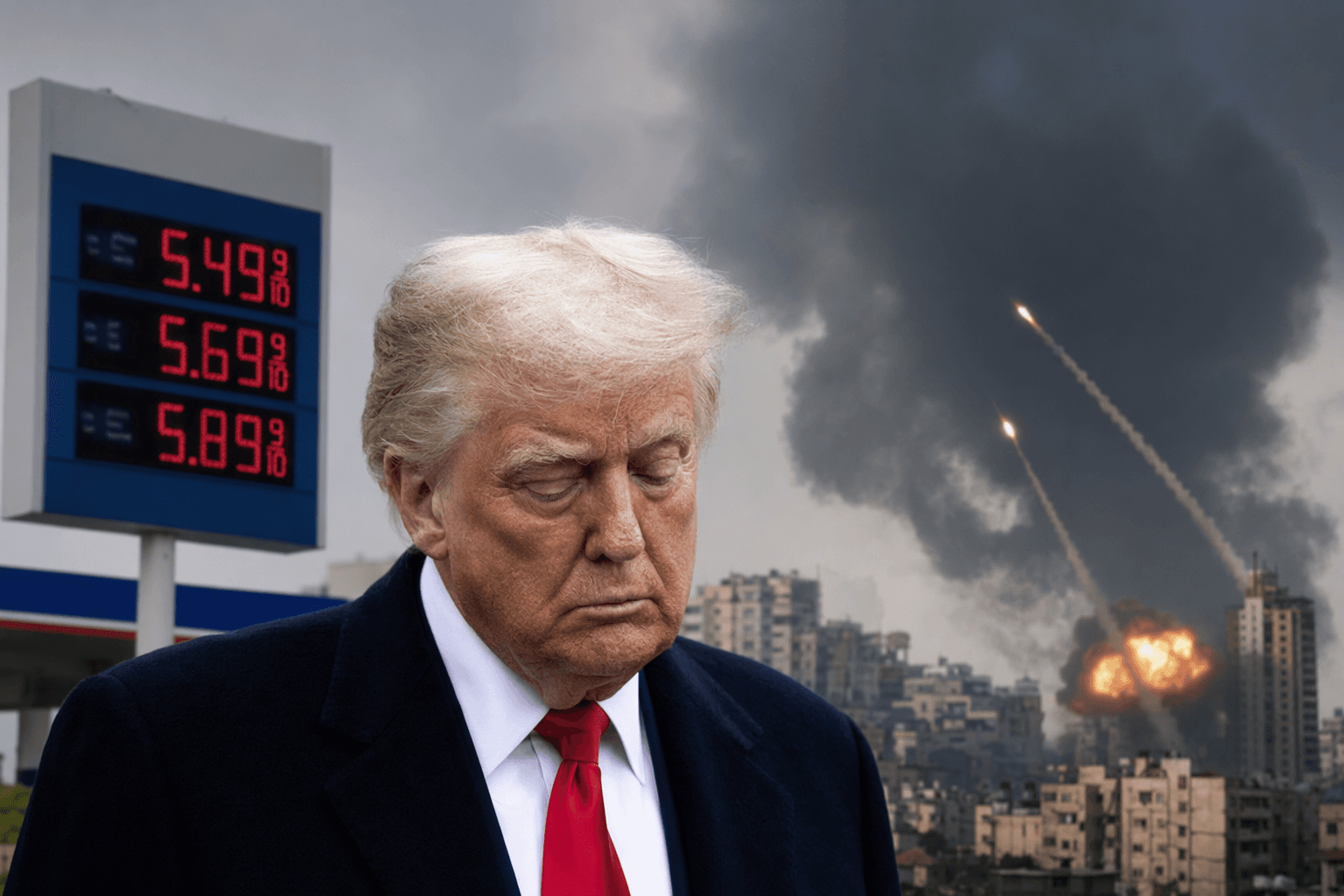
Rising gasoline prices and stubborn household costs have become the clearest political fallout from the war with Iran, and they are dragging Donald Trump’s approval to a new low. A Reuters/Ipsos poll found that just 34% of Americans approved of Trump’s performance, while only 22% approved of how he handled the cost of living, a warning sign for a president whose standing has weakened as foreign conflict has fed domestic price anxiety.
The April 24-27 survey, which reached 1,014 U.S. adults and carried a margin of error of 3 percentage points, put Trump at 34% approval among all respondents and 37% among registered voters, both second-term lows. Most interviews were completed before the April 25 White House Correspondents’ Association dinner shooting in Washington, meaning the poll largely captured the political mood before that episode entered the national conversation.
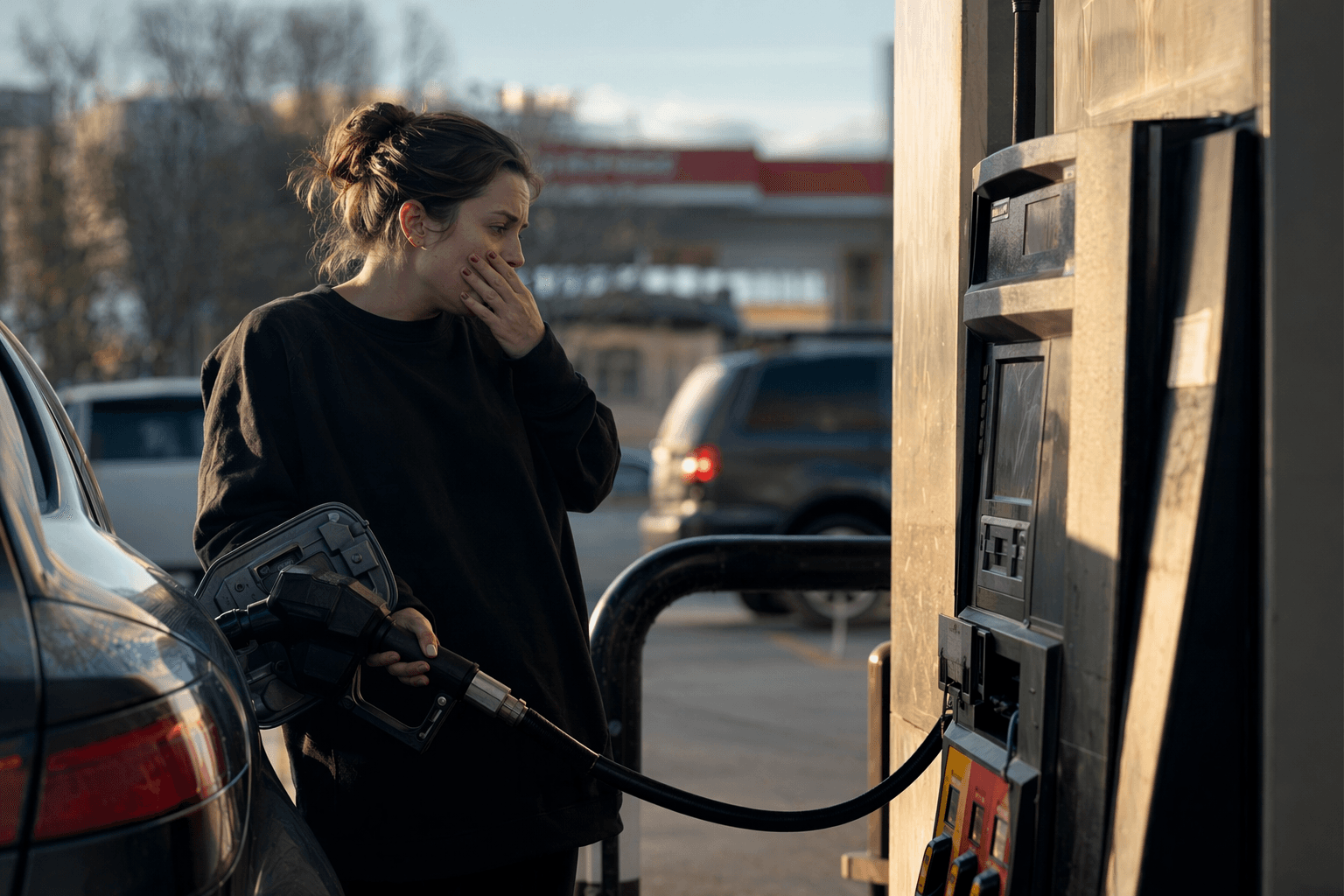
The numbers point to a broader problem than a single bad week. Trump began his return to office in January 2025 with 47% approval, but that support has eroded as the U.S. and Israel launched war against Iran on February 28, a conflict Reuters said pushed gasoline prices higher and sharpened concern about family budgets. The result is a political squeeze that combines foreign-policy turbulence with inflation pressure, two of the most punishing issues for any president.
Voters are making the connection directly. In a separate Reuters/Ipsos poll published April 24, 77% of registered voters said Trump bore at least some responsibility for higher gasoline prices. The blame crossed party lines, with 55% of Republicans, 82% of independents and 95% of Democrats pinning at least part of the increase on the president. Reuters said that backlash was already weighing on the Republican Party ahead of the November 2026 congressional midterm elections.
The cost-of-living problem is also showing up in other measures of economic sentiment. A Reuters/Ipsos poll conducted April 15-20 found that just one in four Americans approved of Trump’s handling of inflation and rising prices, underscoring how deeply pocketbook concerns have cut into his support. Only 22% backed his performance on everyday costs in the latest survey, down from 25% in the prior Reuters/Ipsos poll.
That leaves Trump facing a question with major electoral consequences: whether this is a temporary wartime shock or the sign of a deeper break with voters who once tolerated his turbulence but are now judging him by the price at the pump and the cost of groceries. For Republicans heading into the midterm cycle, the answer could shape whether the party can defend an increasingly vulnerable White House record.
This article was produced by Prism’s automated news system from verified source data, official records, and press releases, then run through automated quality and moderation checks before publishing. The system is built and supervised by the people who set the standards it runs under. Read our full AI policy.
Did this article answer your question?

