Historic RGS No. 20 returns to winter runs, boosting tourism
RGS No. 20 ran on Jan. 10 and will operate on select January and February dates. The runs can increase winter visitors and service demands in Dolores County.
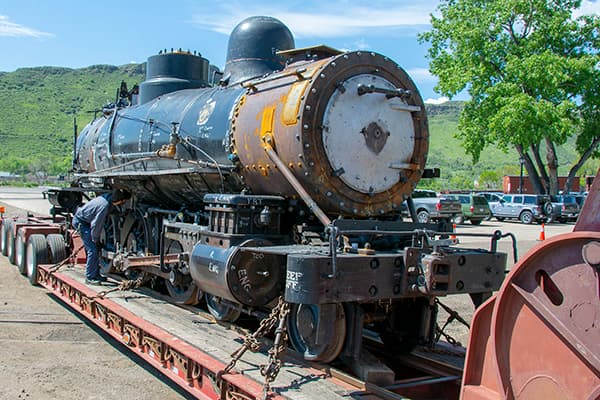
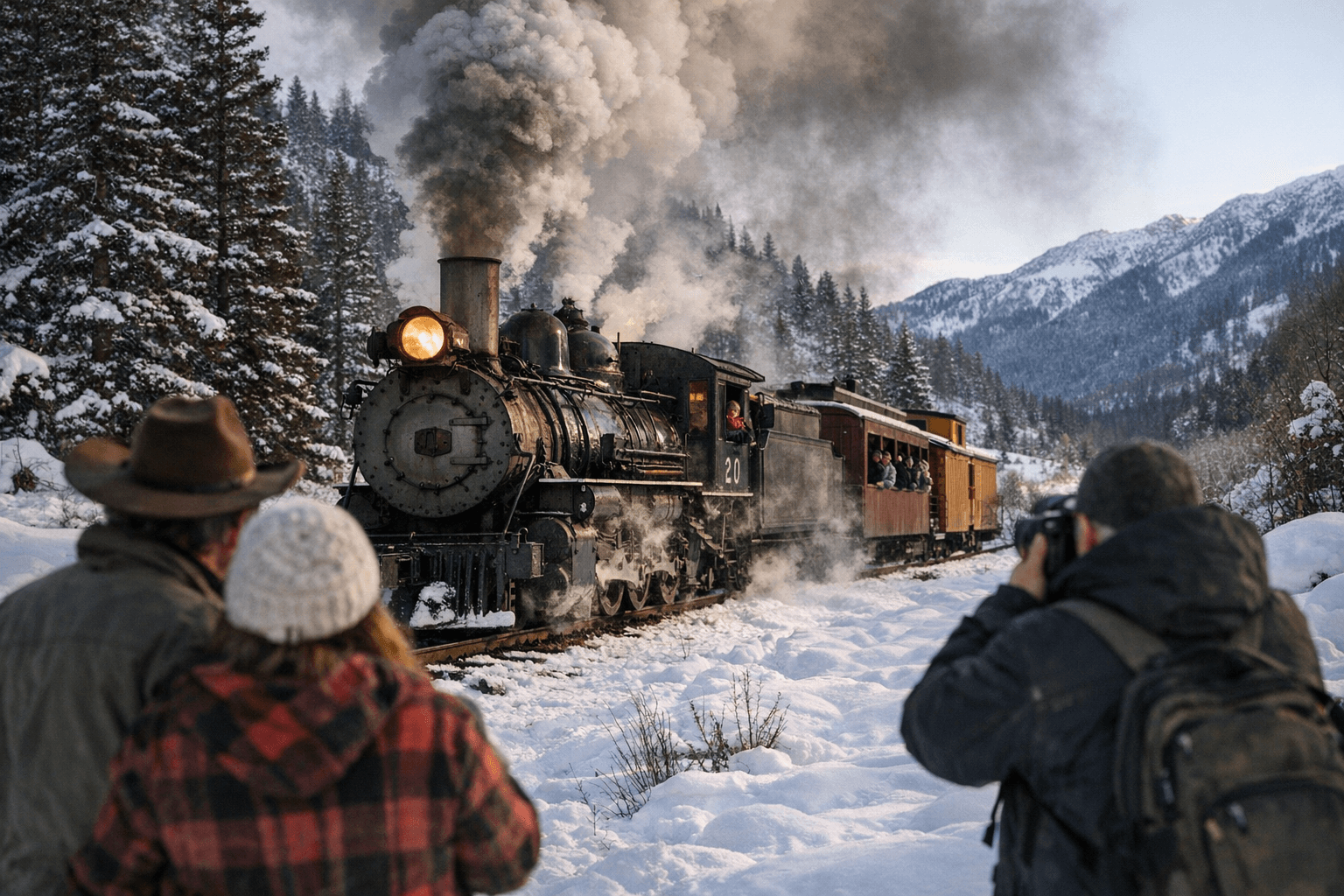
The Rio Grande Southern Locomotive No. 20 steamed along the Durango & Silverton Narrow Gauge Railroad earlier this month, with photographs and short video highlights capturing the vintage engine on Jan. 10. The locomotive is scheduled to operate on select January and February dates, drawing heritage-rail fans from across the Four Corners region, including residents of Dolores County.
For rural communities, heritage-rail events are more than photo opportunities. They bring foot traffic to hotels, restaurants, outfitters and gas stations at a time of year when many businesses rely on winter visitors to bridge slow months. Local merchants and lodging operators in Dolores County who serve Four Corners travelers can expect a measurable uptick in customers when scheduled runs occur.
At the same time, the influx of visitors during cold-weather operations raises practical concerns for county planners and public health leaders. Increased travel puts pressure on rural roads and parking near rail access points, and can stretch emergency medical and public safety resources that already operate on thin margins this time of year. Winter storms and cold exposure also heighten risk for vulnerable residents and transient visitors alike, making coordination between hospitality providers, search and rescue teams, and the county health office important during peak event days.
Equity and access are also part of the equation. Heritage-rail attractions often require paid tickets and advance reservations, which can limit participation by low-income residents. Physical access can be a barrier for people with mobility limitations if boarding locations and platforms are not fully accessible. Community leaders and event organizers have options to reduce those barriers, from local discount programs and outreach to ensuring ADA-compliant access at boarding points.
Transportation and public safety planning can mitigate many of the downsides while preserving economic benefits. Simple measures such as temporary parking plans, shuttles from nearby towns, signage for winter driving conditions, and prepositioned emergency personnel help manage visitor flow and reduce impacts on local residents. Public health officials should also view scheduled runs as an opportunity to coordinate messaging on cold-weather preparedness and respiratory illness prevention in high-traffic venues.
For Dolores County residents the coming weeks mean more visitors along the rail corridor and potential business opportunities for those offering lodging, dining and services. It also means the county must balance tourism gains with investments in safety, accessibility and public health capacity. Watch upcoming run dates and local advisories, and consider how businesses and community groups can work together to welcome guests while protecting the health and well-being of longtime residents.
Sources:
Know something we missed? Have a correction or additional information?
Submit a Tip