Hochstein warns Strait of Hormuz closure could drive fuel prices higher
Even a threatened closure of the Strait of Hormuz could jolt gasoline, jet fuel and inflation, with tanker delays pushing the pain out only 25 to 30 days.
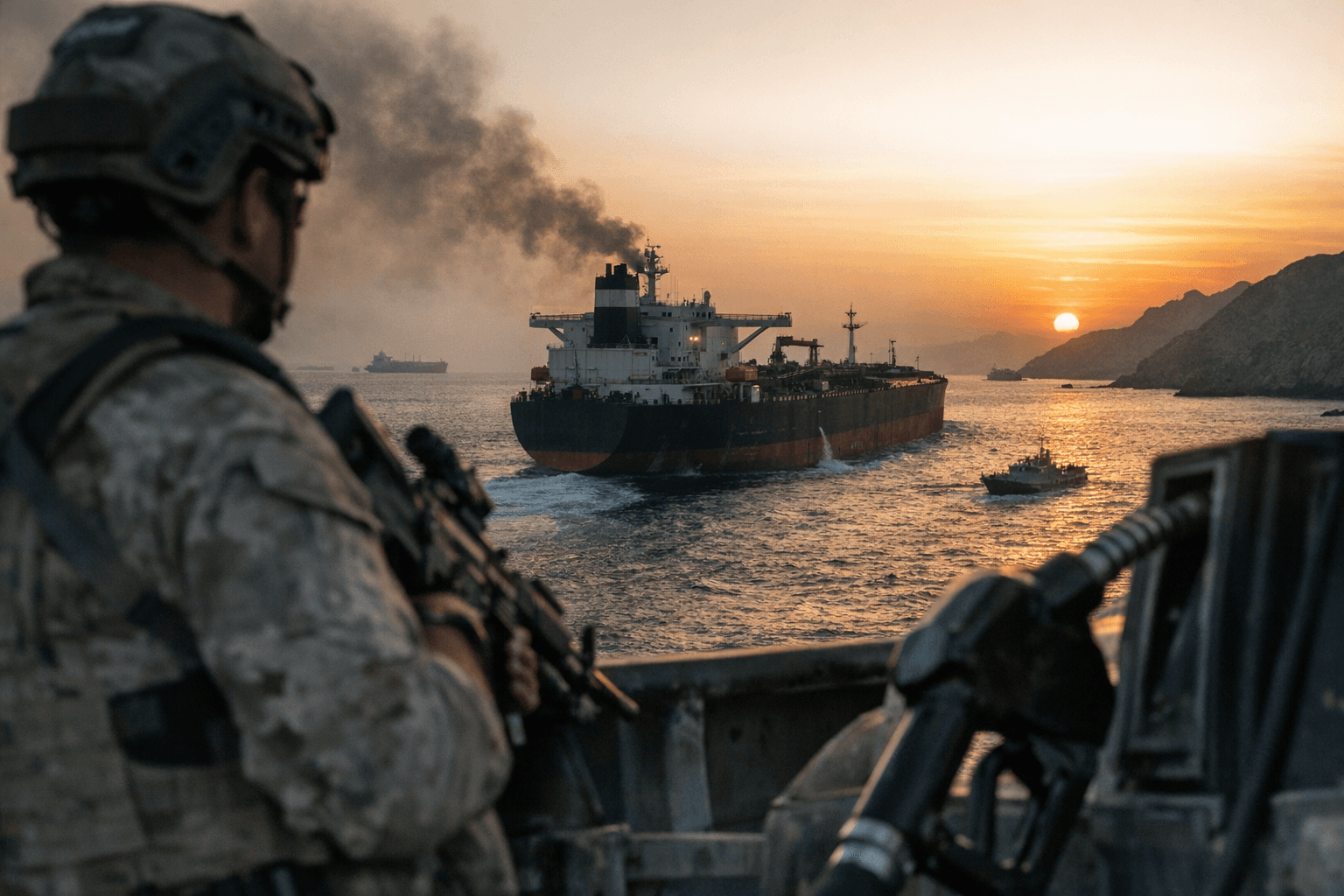
A shutdown of the Strait of Hormuz would hit American drivers, airlines and inflation long before every tanker stopped moving, Amos Hochstein warned, saying Iran now has “a card they never had” in the fight over the waterway.
Hochstein, a former Biden administration energy adviser and Middle East negotiator now with TWG Global, said the damage would not be immediate because oil already at sea would keep arriving for roughly 25 to 30 days. That lag, he said, would only delay the squeeze on fuel markets as prices climbed from an already elevated level, with regular gasoline averaging about $4.05 a gallon when he spoke on Face the Nation with Margaret Brennan.
The chokepoint matters because it is one of the world’s most important energy corridors. The Strait of Hormuz, between Oman and Iran, links the Persian Gulf with the Gulf of Oman and the Arabian Sea, and at its narrowest point it is only about 21 miles wide. The U.S. Energy Information Administration said 20 million barrels per day of oil flowed through it in 2024, equal to about 20% of global petroleum liquids consumption, and first-quarter 2025 flows were still roughly flat from a year earlier.
Very few alternatives exist if the waterway is blocked. Some pipeline workarounds can partially bypass it, but the EIA has said the route remains critical because so much crude still depends on it. CBS News said more than a quarter of global maritime oil trade moved through the strait in 2024, and close to 40% of the barrels moving through it that year were exported from Saudi Arabia.
The market shock would reach beyond crude. Hochstein said some countries in Europe and Asia were already seeing jet fuel shortages and flight cancellations, a sign that air travel could feel the squeeze before the U.S. fully does. That ripple effect would likely spread to freight, shipping insurance and consumer prices if the closure lasted.
The stakes were underscored by the broader standoff around Iran. On April 7, the EIA said Iraq, Saudi Arabia, Kuwait, the United Arab Emirates, Qatar and Bahrain had collectively shut in 7.5 million barrels per day of crude production in March because storage was filling quickly. On April 19, U.S. officials were headed to Pakistan for another round of talks with Iran, while Iranian officials said the strait would remain closed unless the U.S. lifted its blockade of Iranian ports. In the background was a simple market truth: the Strait of Hormuz is narrow, but its disruption would be felt across energy, transport and prices almost everywhere.
This article was produced by Prism’s automated news system from verified source data, official records, and press releases, then run through automated quality and moderation checks before publishing. The system is built and supervised by the people who set the standards it runs under. Read our full AI policy.
Did this article answer your question?


