Hollywood fury forces ByteDance to tighten Seedance 2.0 safeguards
Hyperrealistic Seedance 2.0 videos sparked legal threats from studios and unions; ByteDance says it will strengthen safeguards and suspended image uploads.
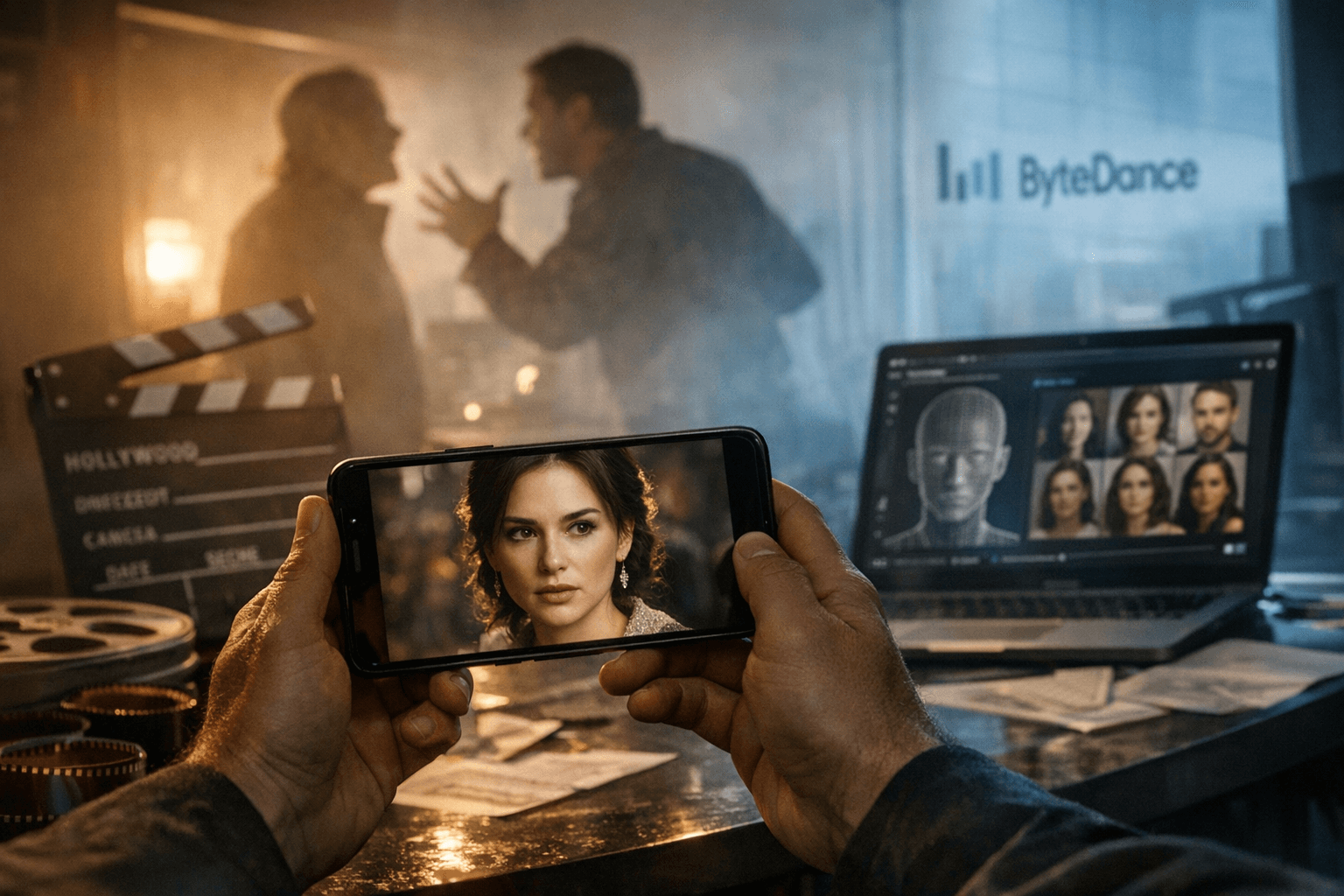
Hyperrealistic videos produced by ByteDance’s new generator, Seedance 2.0, have inundated social media and prompted sharp legal and industry backlash, forcing the company to announce immediate safeguards and suspend a key feature. Studios, a major trade association and actors’ representatives accused the tool of widespread unauthorized use of copyrighted works and likenesses, and at least one studio sent a cease-and-desist demand.
Seedance 2.0 is billed as an AI video-making model that can produce lifelike clips from short text prompts, delivering what the company described as “an ultra-realistic immersive experience.” Test outputs included scenes that reimagined established characters and celebrities: a fist fight between Tom Cruise and Brad Pitt, reworkings of Friends characters as otters, and other clips referencing franchises from The Lord of the Rings to Marvel and Star Wars. A review of the tool noted it “offers a level of creative control that mimics a human director” and enables users to “create high-end outputs without needing complicated production tools.”
The Motion Picture Association, which represents major studios, accused Seedance 2.0 of operating without meaningful safeguards and said the service “has engaged in unauthorized use of U.S. copyrighted works on a massive scale.” Charles Rivkin, the MPA’s chairman and CEO, added, “By launching a service that operates without meaningful safeguards against infringement, ByteDance is disregarding well-established copyright law that protects the rights of creators and underpins millions of American jobs. ByteDance should immediately cease its infringing activity.”
Disney reportedly delivered a cease-and-desist letter to ByteDance, accusing the company of distributing and reproducing its intellectual property without permission and alleging Seedance was effectively pre-packaged with a pirated library of copyrighted characters portrayed as if they were public-domain clip art. The actors’ union SAG-AFTRA called the outputs “blatant infringement” and warned that “the infringement includes the unauthorized use of our members’ voices and likenesses. This is unacceptable and undercuts the ability of human talent to earn a livelihood.” The union further said, “Seedance 2.0 disregards law, ethics, industry standards and basic principles of consent. Responsible AI development demands responsibility, and that is nonexistent here.”
Among creatives who reacted publicly, the writer identified in reports as Rhett Reese posted on social media, “I hate to say it. It's likely over for us,” responding to an AI-generated clip that circulated widely.
ByteDance pushed back that the contested clips were produced during a “limited pre-launch testing phase” and issued a series of commitments. “ByteDance respects intellectual property rights, and we have heard the concerns regarding Seedance 2.0,” the company said, adding, “We are taking steps to strengthen current safeguards as we work to prevent the unauthorised use of intellectual property and likeness by users.” The company also said it has suspended the ability for people to upload images of real people and pledged to “implement robust policies, monitoring mechanisms and processes to ensure compliance with local regulations.”
The clash underscores unresolved questions about how generative models are trained and whether default outputs reflect copyrighted material. Studios and unions are demanding proof and remedies; ByteDance’s statements stop short of detailing the technical fixes or the datasets used to build the model. With creators warning of career disruption and trade groups threatening legal action, the episode is likely to accelerate scrutiny of AI tools that can reproduce protected works and likenesses, and to prompt regulators and courts to weigh in on how existing copyright and labor protections apply to synthetic content.
This article was produced by Prism’s automated news system from verified source data, official records, and press releases, then run through automated quality and moderation checks before publishing. The system is built and supervised by the people who set the standards it runs under. Read our full AI policy.
Did this article answer your question?