Homan backs ICE body cameras after fatal Texas, Maine shootings
Tom Homan endorsed ICE body cameras after fatal shootings in Texas and Maine, as DHS moved to put a camera on every arrest team.
Tom Homan said ICE body cameras were "the way to go" after fatal shootings in Texas and Maine put the agency’s use of force under sharper scrutiny. Speaking on Face the Nation with Margaret Brennan, the Trump administration’s border czar said body cameras "let the American people know what that officer sees when he takes that action."
The remarks came after two deadly ICE shootings during traffic stops in Maine and Texas, incidents that have raised new questions about what agents saw, why force was used and whether existing rules can withstand public scrutiny. The Department of Homeland Security said ICE will ensure agents use body cameras in the wake of the shootings, and every ICE arrest team will now have an agent wearing one.
The agency has already moved to narrow its exposure while it reviews the incidents. ICE has paused most vehicle stops and temporarily halted vehicle pursuits as DHS determines what additional training is needed. Officials said neither of the men killed in the Maine and Texas shootings were targets of the enforcement operations, a detail that has intensified questions about how traffic stops turned fatal.
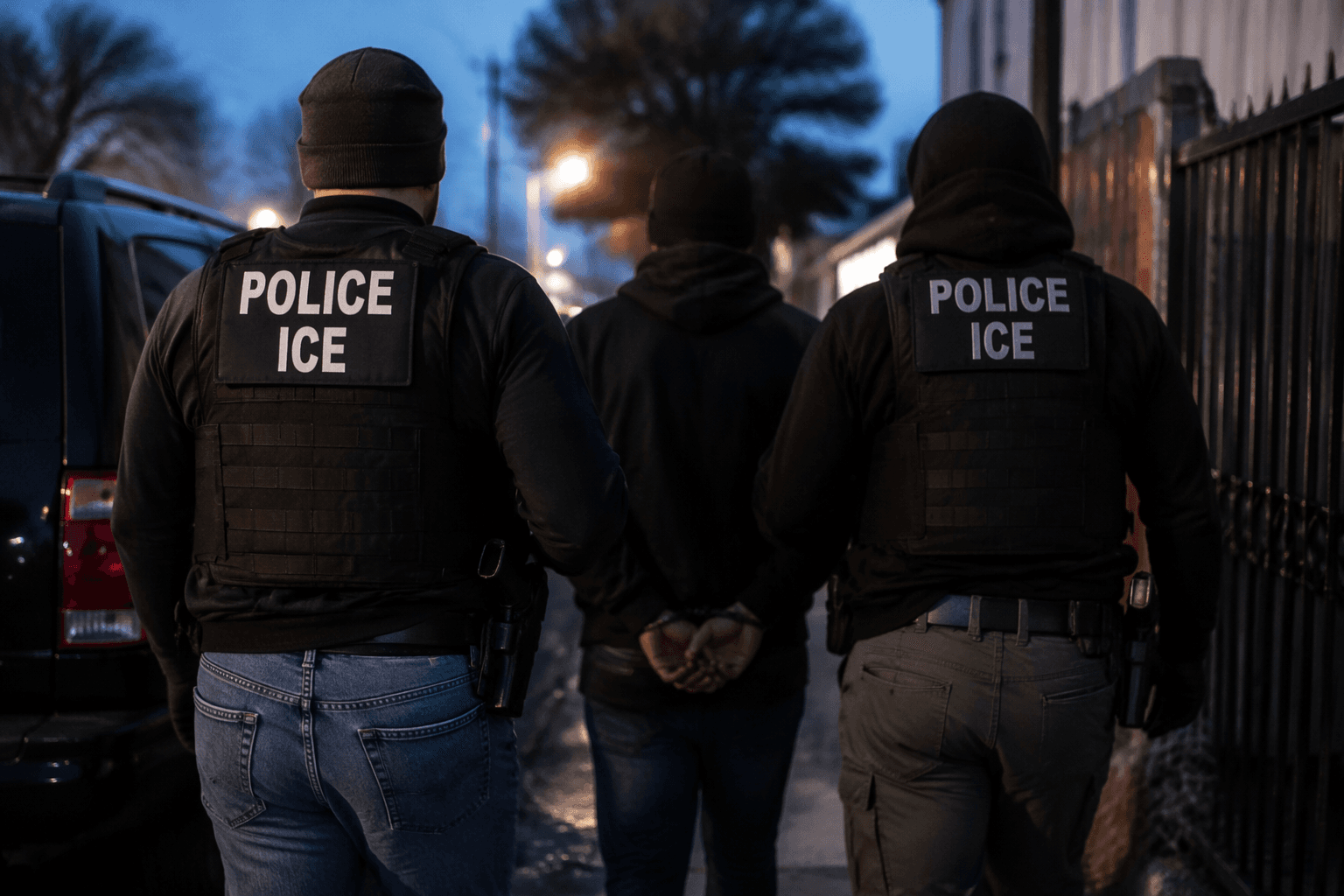
Body cameras can help answer some of those questions, but they cannot answer all of them on their own. When they are activated and the footage is preserved, cameras can show what an officer saw, what was said and how a confrontation unfolded. They do not, by themselves, explain every split-second decision, training gap or policy failure, especially when the footage does not exist or does not capture the critical moments clearly. That uncertainty has fueled concern over both shootings and added pressure on ICE to show how its use-of-force standards are being applied in the field.
The broader toll has also sharpened attention on immigration enforcement more generally. Nine people in the United States have been killed by immigration officers in the last 18 months, including two in the previous week in Texas and Maine. For ICE, the body-camera pledge now sits beside a harder question: whether the agency is making a real accountability shift or simply responding to public outrage after the fact.
This article was produced by Prism’s automated news system from verified source data, official records, and press releases, then run through automated quality and moderation checks before publishing. The system is built and supervised by the people who set the standards it runs under. Read our full AI policy.
Did this article answer your question?