Homan Says Minneapolis Crackdown Had Flaws, Defends Deportation Push
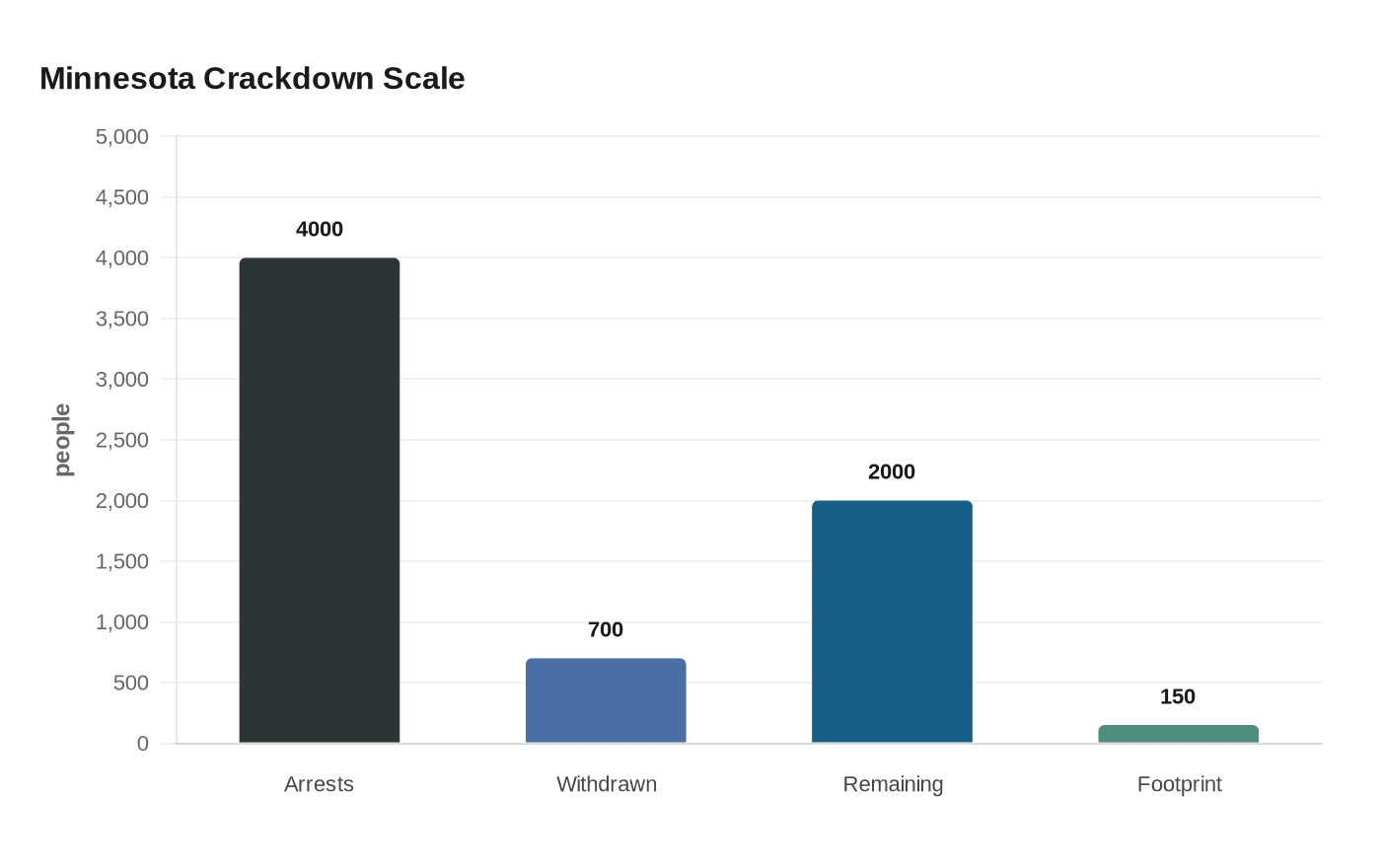
Homan said Minneapolis exposed flaws in the crackdown, then defended a deportation push that still had 2,000 federal agents in Minnesota after a 700-person drawdown.

Tom Homan said the Minneapolis crackdown had flaws, but he refused to retreat from the administration’s mass deportation campaign. “Things weren’t perfect. We addressed it. We fixed it,” Homan said, arguing that federal immigration enforcement would continue in a “smarter” way, with more targeted arrests and fewer broad street sweeps.
The Minneapolis operation, known as Operation Metro Surge, began in December 2025 and became the largest immigration enforcement effort ever described by the Department of Homeland Security. Homan said it produced more than 4,000 arrests. But the scale of the campaign collided with a deadly backlash after federal immigration agents fatally shot two U.S. citizens, Alex Pretti and Renee Good, in Minneapolis. The killings triggered bipartisan outrage, mass protests, and lawsuits, turning the city into the clearest test of how far the administration would push enforcement before local resistance and legal scrutiny forced a change.
Minnesota Gov. Tim Walz spoke with President Donald Trump on Jan. 26, 2026, and asked for impartial investigations into the shootings and for fewer federal agents in the state. Soon after, Homan met with Walz, Minneapolis Mayor Jacob Frey, and Minnesota Attorney General Keith Ellison. By Feb. 4, Homan said 700 federal law-enforcement personnel were being withdrawn from Minnesota effective immediately, though about 2,000 remained. He said the long-term goal was to return to a normal footprint of about 150 permanently stationed Border Patrol agents.
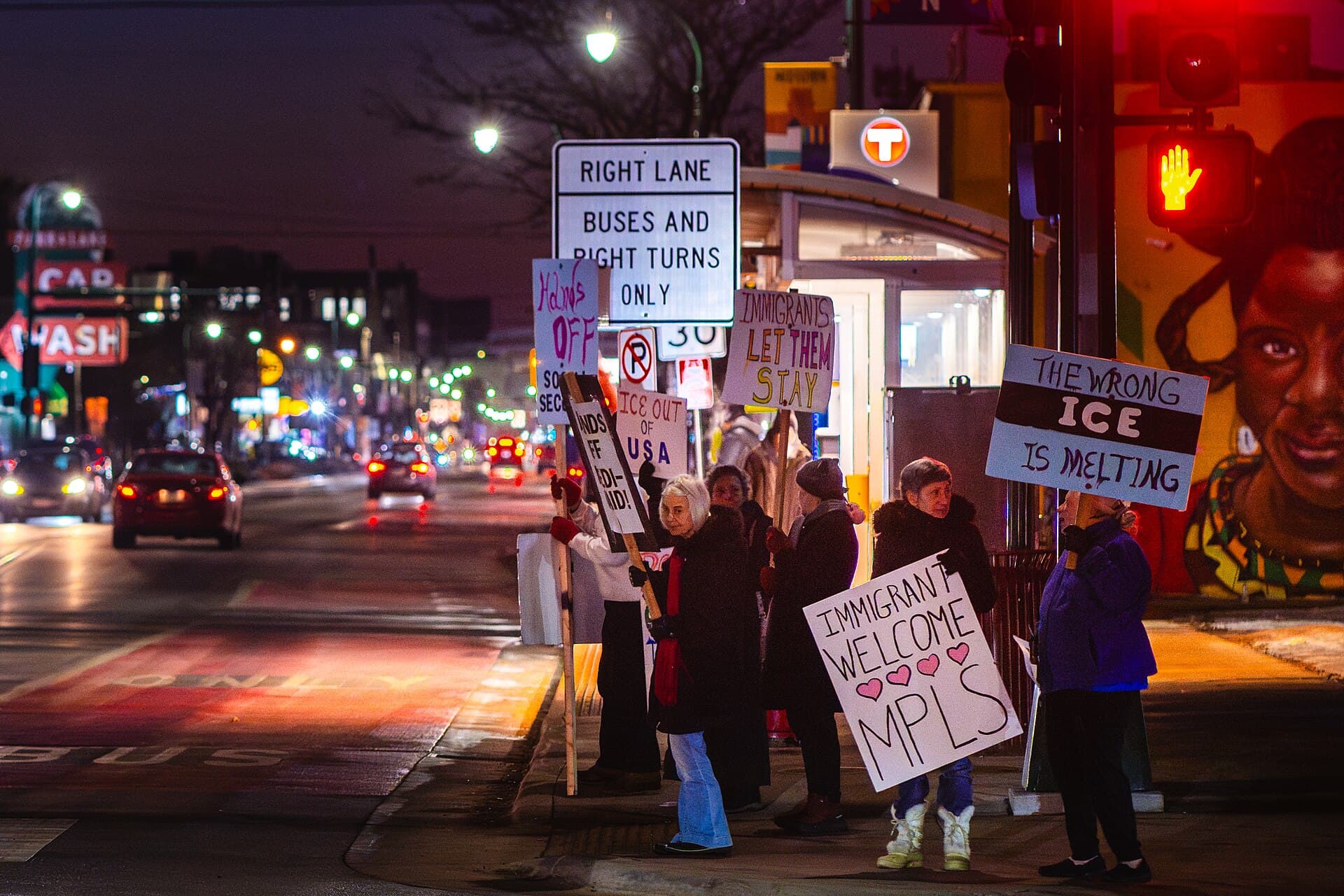
Homan also said he had discussed the operation with Homeland Security Secretary Markwayne Mullin and acting ICE chief Todd Lyons as part of a push to do mass deportations “in a smarter way.” He said federal agents who violate law or policy should be held accountable, a notable admission as the administration faced questions over tactics, including the use of unmarked SUVs, masked officers, and aggressive arrests in immigrant neighborhoods.
The legal and political fallout deepened as federal prosecutors subpoenaed the offices of Walz, Frey, and Ellison over possible obstruction tied to the crackdown. A federal judge temporarily barred immigration agents from retaliating against peaceful protesters and observers, but the U.S. Court of Appeals for the Eighth Circuit later paused that order. Ellison said the handling of Pretti’s killing felt like “a cover-up,” while Frey said he had a productive conversation with Homan and expected tactics to change.
The cases that stuck in the public mind reached beyond the two fatal shootings. Five-year-old Liam Conejo Ramos was detained with his father during the crackdown and later released after court intervention, becoming a symbol of criticism that the operation swept up families and noncriminals as well as people accused of crimes. In Minneapolis and across the Twin Cities, the question remains whether the federal retreat will hold, or whether the city simply became the template for the next escalation.
This article was produced by Prism’s automated news system from verified source data, official records, and press releases, then run through automated quality and moderation checks before publishing. The system is built and supervised by the people who set the standards it runs under. Read our full AI policy.
Did this article answer your question?

