Home Office recognises Al Fayed abuse survivor as modern slavery victim
The Home Office’s modern slavery recognition gave Rachael Louw formal state validation after years of allegations against Mohamed Al Fayed. It also raised the question of whether other institutions will face harder scrutiny.
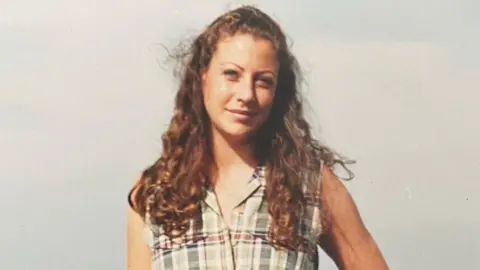
The Home Office has for the first time formally recognised a woman abused by Mohamed Al Fayed as a victim of modern slavery, a decision Rachael Louw said brought both “vindication” and “validation” after years of public allegations and official inaction.
The recognition matters far beyond one survivor’s case. In the UK, the National Referral Mechanism is the legal framework used to identify potential victims of modern slavery and refer them for support, and trained specialists in the Home Office’s Single Competent Authority decide whether a person is formally recognised. That means the government’s decision was not just an expression of sympathy. It was an official finding that abuse linked to Al Fayed fits the modern slavery framework, a step that can strengthen survivors’ legal standing and widen pressure on institutions that failed to intervene.
Al Fayed died in September 2023, aged 94, but the scale of allegations against him widened sharply after the BBC documentary “Al Fayed: Predator at Harrods” aired in September 2024. The programme triggered a new wave of complaints about his treatment of female staff, turning what had long been whispered about inside Harrods into a matter of national scrutiny.
Harrods said it was “utterly appalled” by the allegations, apologised to victims and said the Harrods of today was very different from the company owned and controlled by Al Fayed between 1985 and 2010. The company launched a redress scheme on 31 March 2025, and said it would remain open to new applications until 31 March 2026.
The wider institutional reckoning has also reached the police watchdog. The Metropolitan Police was reviewing 21 allegations reported before Al Fayed’s death, while in January 2025 the Independent Office for Police Conduct said it was investigating two complaints about the force’s handling of allegations made in 2008. That dual track, one looking at the abuse itself and another at how police responded, has kept attention on the long delay between complaints and accountability.
For survivors and campaigners, the Home Office decision marked a significant political signal: the state had now acknowledged that abuse around one of Britain’s most prominent business figures could amount to modern slavery, not merely misconduct or harassment. The next question is whether that recognition will help unlock broader accountability for Harrods, the Metropolitan Police and other institutions that missed, minimized or ignored warning signs for years.
This article was produced by Prism’s automated news system from verified source data, official records, and press releases, then run through automated quality and moderation checks before publishing. The system is built and supervised by the people who set the standards it runs under. Read our full AI policy.
Did this article answer your question?

