Trump Hails Artemis II, Pushing Lunar Return and Mars Ambitions
Artemis II let Trump claim a new space triumph built on old spending, even as his budget plan would cut NASA to $18.8 billion.
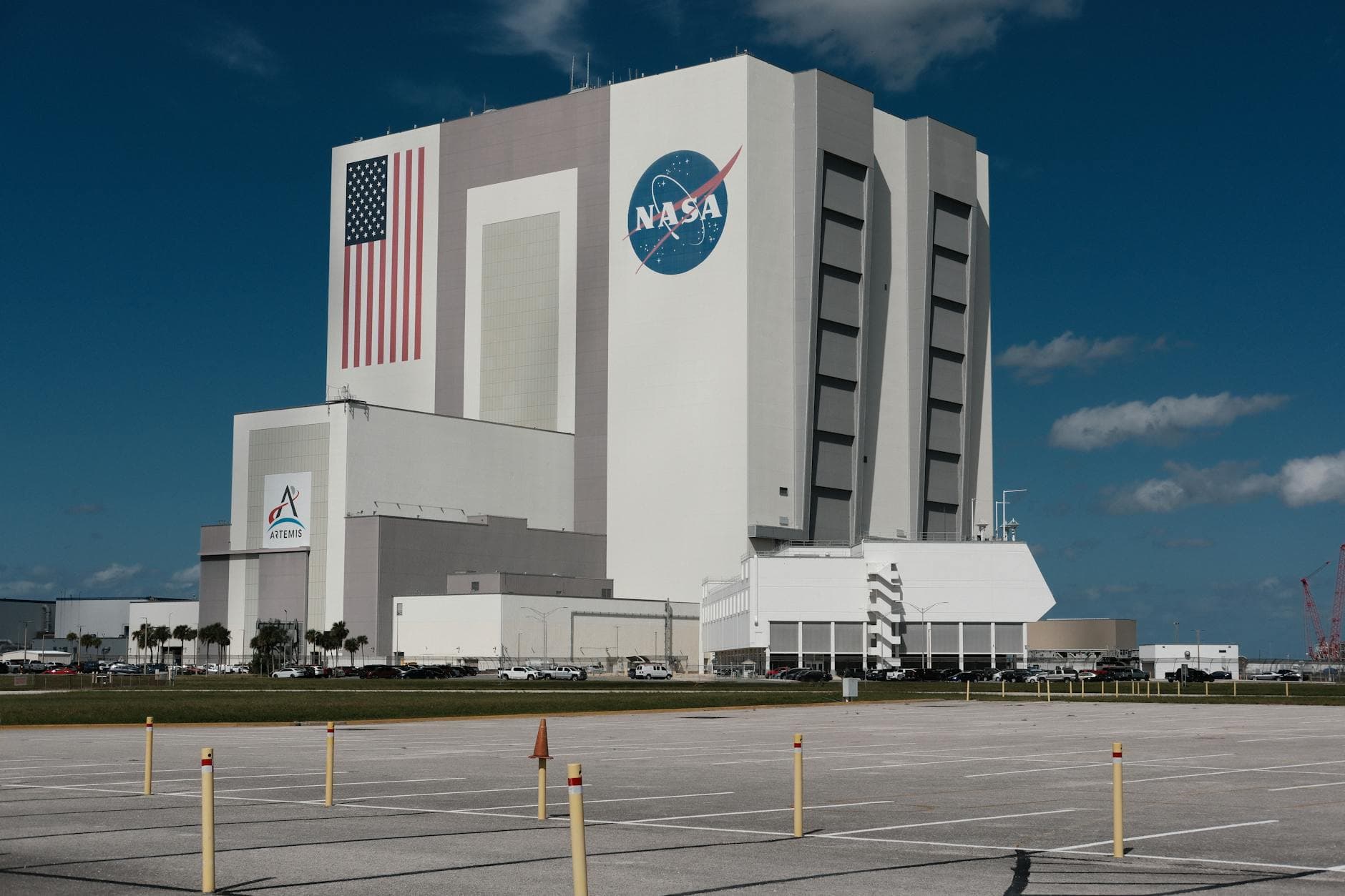
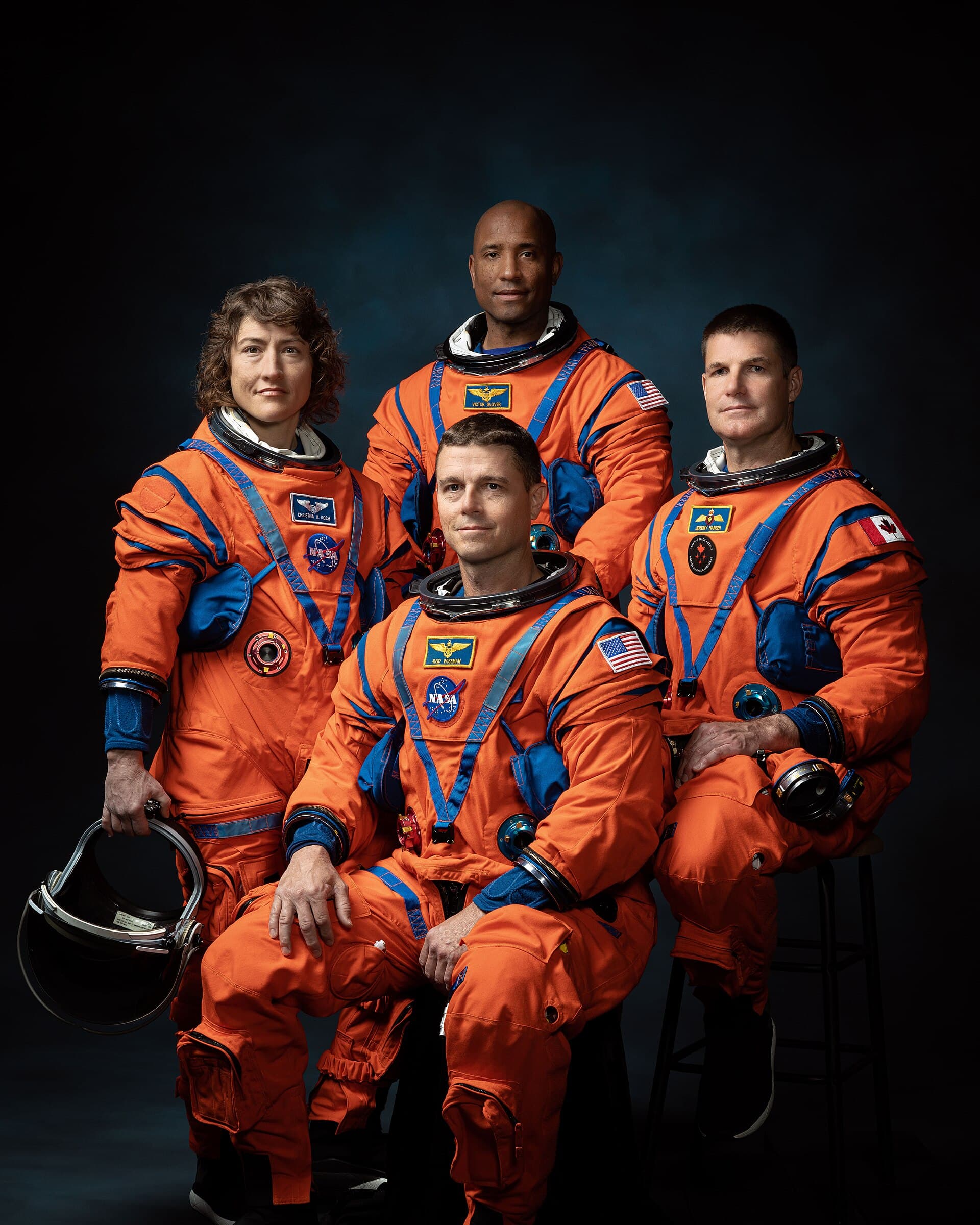
Trump seized on Artemis II as proof that his first-term space bets are finally paying off, turning NASA’s first crewed lunar flyby in more than 50 years into a political showcase for his broader push for American dominance in space. The mission launched from Kennedy Space Center’s Launch Complex 39B on April 1, carrying Reid Wiseman, Victor Glover, Christina Koch and Canadian Space Agency astronaut Jeremy Hansen aboard the Space Launch System rocket and Orion spacecraft.
The 10-day flight quickly became a record-setter. On April 6, the crew passed 252,756 miles from Earth, surpassing the Apollo 13 record for the farthest distance traveled by humans in space, before splashing down off San Diego on April 10 at the end of a nearly 10-day mission. Afterward, the astronauts emphasized the emotional force of the trip, the strong performance of Orion’s heat shield and the unprecedented view of the Moon’s far side.
Trump held a satellite call with the crew during the mission, praising them for making history, then congratulated them after splashdown and invited them to the White House. He said the next step was Mars, casting Artemis II not as a stand-alone milestone but as part of a longer sequence leading from the Moon to deep-space exploration.
NASA and the White House have framed the flight as part of Trump’s legacy, with the agency saying Artemis II builds on his vision and helps lay the groundwork for an enduring lunar presence and eventual Mars missions. Officials have described the mission as the opening act in humanity’s return to the Moon, and NASA has also tied its broader initiatives to Trump’s national space policy goals.
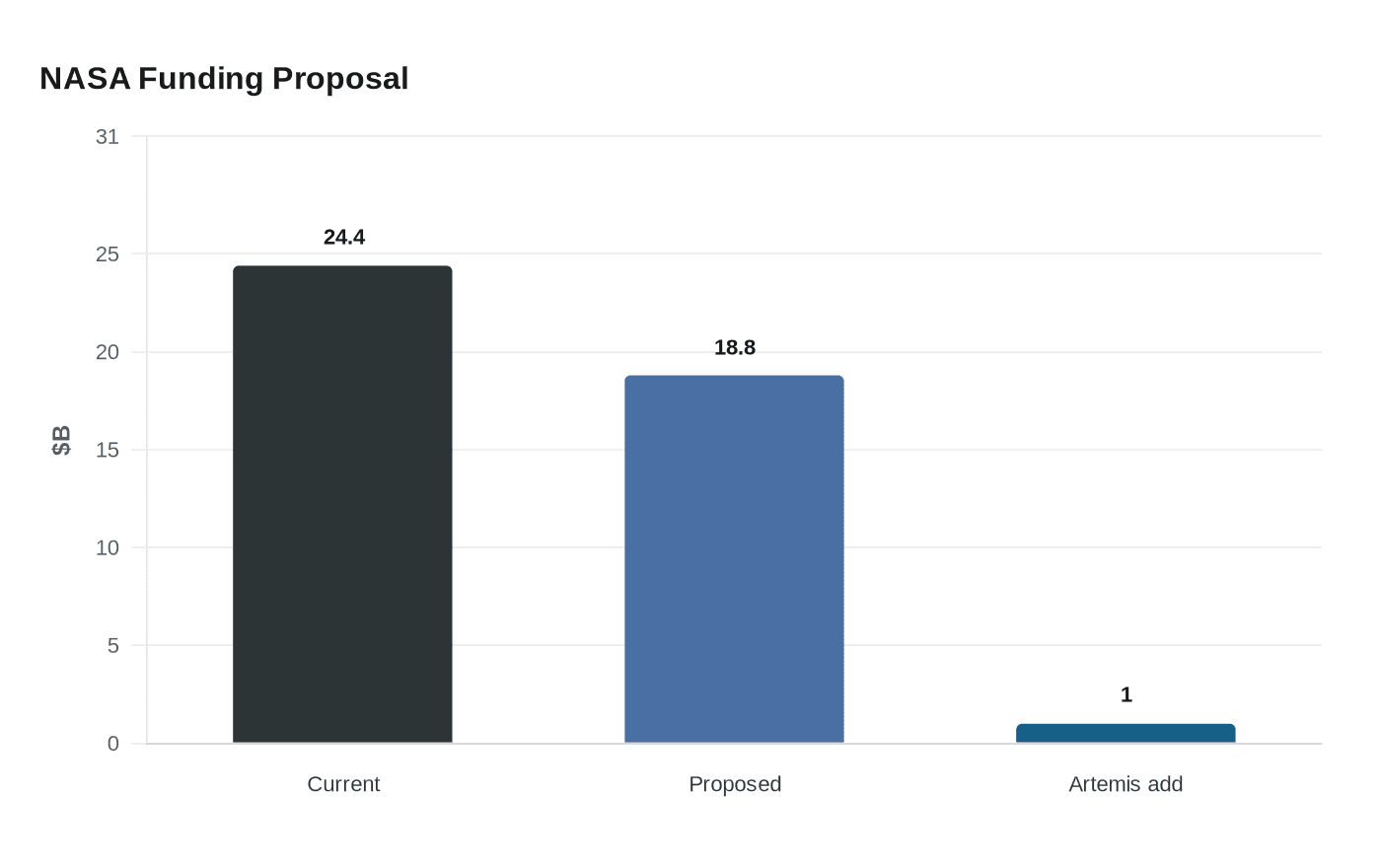
The political tension is hard to miss. The Trump administration’s FY 2027 budget proposal would cut NASA’s total funding from $24.4 billion to $18.8 billion, while reducing science funding by roughly 47% to 50% and adding about $1 billion for Artemis. That split has drawn backlash from lawmakers and space advocates who see a familiar pattern: high-visibility lunar and Mars ambitions on one side, and a much leaner NASA on the other.
Trump’s first-term space legacy now being repackaged includes the creation of the U.S. Space Force, the start of the Artemis program and the Artemis Accords, which had reached 63 signatory nations as of April 23, 2026. Artemis II gave those older decisions a vivid image and a fresh deadline, but the harder test remains whether the funding will match the symbolism.
Know something we missed? Have a correction or additional information?
Submit a Tip