Home Reggae Sound Systems, Setup, Tuning and Community Etiquette
This practical guide walks through building and running a small home or community reggae sound system, from choosing hardware to dialing in bass and mids and using dub effects. You will learn concrete component choices, placement and tuning tips, vinyl and selector best practices, and how to keep your community safe and respectful.
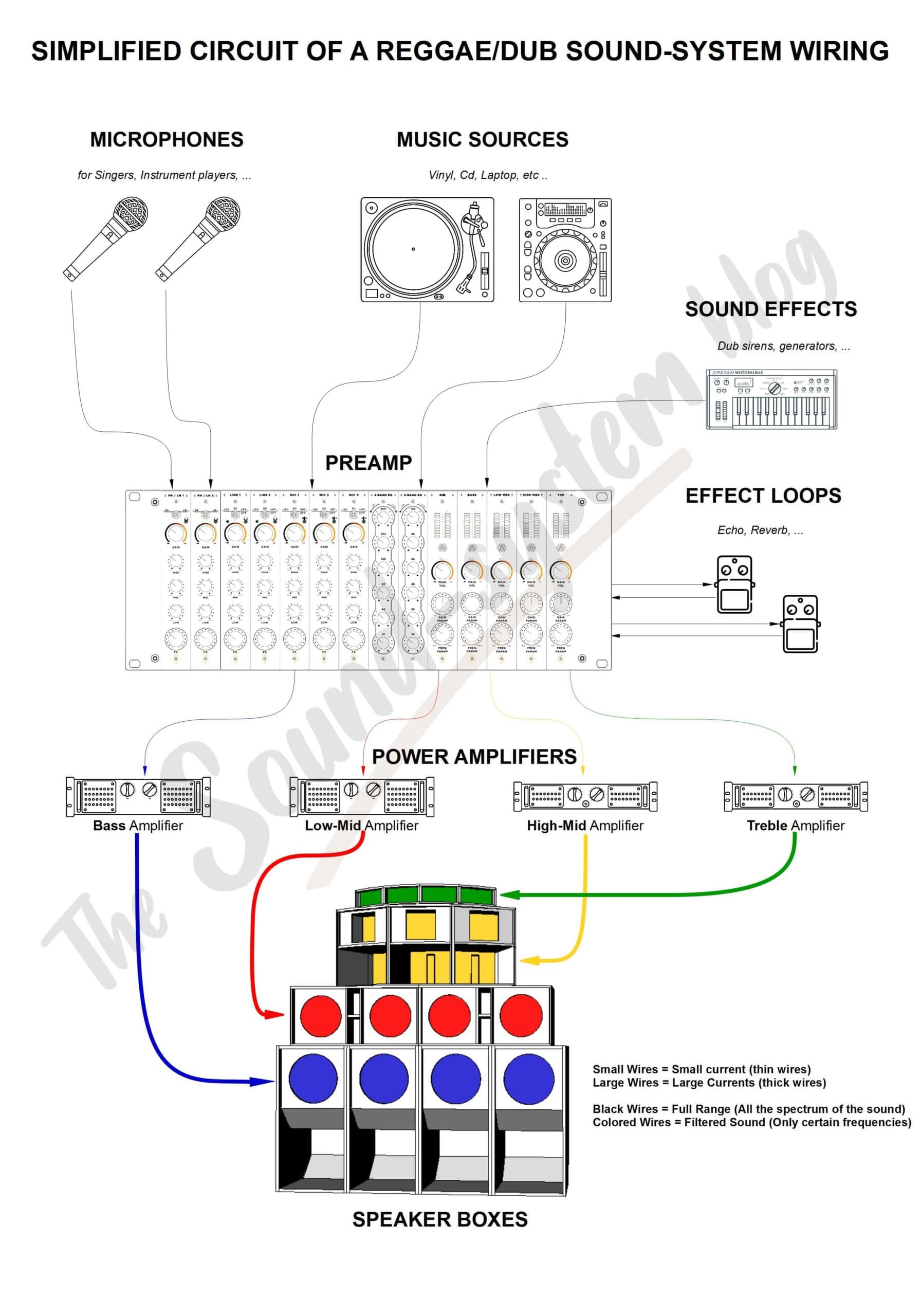
1. Basic components
Start with parts that deliver clear bass and tight mids without breaking the bank. For subs aim for a 12"–15" sealed or ported subwoofer, either active or passive with a matched amp; one well-tuned sub will suffice for a small room and two are worth considering for larger community spaces. For mid and high response use 8"–10" midwoofers in sealed or ported cabinets and add a horn or compression driver for highs, or a quality tweeter, to keep the skank and vocals articulate. Match amplification to the speakers: a Class D stereo amp for subs and a cleaner mid/hi amp for the rest, and choose a 2–4 channel DJ mixer with basic EQ and a mic input; digital DJs will do well with a small audio interface. Practical extras include turntables for vinyl, a CDJ or laptop/controller for digital sets, and a multimeter or SPL app to check levels and protect gear.
2. Room and placement
How you place components has more impact than chasing louder gear. Place subs near a wall corner to use boundary loading for fuller bass but avoid pushing speakers flush into corners in a way that creates uncontrolled boom; experiment a foot or two from the wall to find balance. Keep mids slightly elevated and aimed at the main listening area, and tilt horns so highs project evenly across the room. Use rugs, couches, bookcases and absorptive surfaces to reduce flutter and standing waves, and move listening positions when possible to find sweet spots rather than forcing EQ to correct major acoustic problems.
3. Tuning basics
Good tuning keeps sound clear and preserves dynamics, which is central to reggae and dub. Set gain staging so meters rarely peak and watch for clipping; headroom matters more than loudness. Use a low-pass crossover for subs roughly between 40–80 Hz depending on your speakers, and a corresponding high-pass on the mids to cut energy below 60–80 Hz so the drivers don’t fight each other. Light notch filters can tame specific room resonances; apply EQ gently to improve clarity rather than to boost perceived loudness.
4. Vinyl care and selector tips
Vinyl and thoughtful performance technique are core to traditional sound-system culture. Keep records and needles clean, use anti-static sleeves, and invest in a good stylus, an elliptical tip will generally provide warm, accurate tracking. Practice beatmatching and phrasing so dub drops and versions land musically, and use dub-plate style drops like echo and delay returns sparingly to give impact without overwhelming the tune. Regularly check cartridge alignment and tracking force to protect records and ensure consistent sound across sessions.

5. Effects and dub techniques
Recreating dub moves is about timing and subtlety more than complexity. Use a send/return delay for slapback echo and add a spring or plate reverb emulation plugin to create believable space when physical springs aren’t available. A filter sweep is an effective way to create dub-style drop-outs and rebuilds; automate filter cutoff and send levels on your mixer or in software to perform these moves live. Keep effect chains simple and reproducible so other selectors in the community can learn and replicate the sound.
6. Community and etiquette
Sound systems are social instruments; how you run them matters as much as how they sound. Invite local selectors and share playlists so sets feel communal and varied, and consider donating door proceeds when fundraising for a local cause. Keep volume safe by monitoring SPL and encouraging hearing protection, especially for prolonged sessions, and respect copyrights by tracking usage of recordings and paying rights or using cleared material when required. Clear, respectful communication about setup times and equipment sharing builds trust and keeps events accessible.
7. Further learning
Turn setup into a long-term craft by following a few focused next steps. Build confidence with basic speaker cabinet plans and hands-on assembly to learn how enclosure choices affect tone and response. Study a short primer on analog versus digital delays to understand the musical differences between slapper echoes and digital repeats. Finally, plug into local sound-system meetups, Facebook groups or Discord channels to exchange tips, swap parts, and get invites to practice sessions, community knowledge accelerates every selector’s progress.
Know something we missed? Have a correction or additional information?
Submit a Tip