Honeydew records 73.2 inches of rain this water year
Honeydew has received 73.2 inches since Oct. 1, about 140% of normal, raising landslide and isolation risks for remote Humboldt communities.
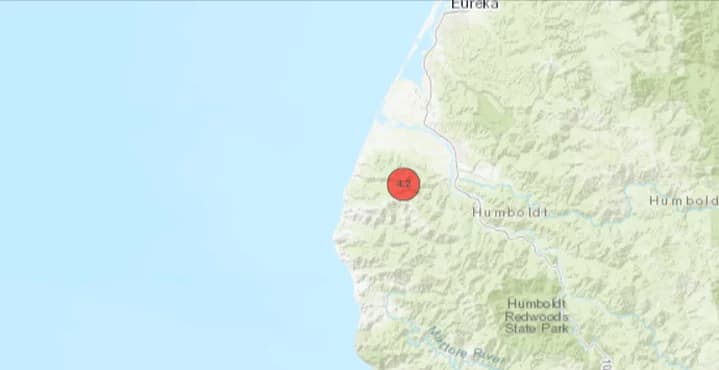
A rainfall monitoring site near Honeydew recorded 73.2 inches of precipitation for the current water year on Jan. 14, dwarfing the typical mid-January total and signaling heightened hazard risks for the King Range coast. That 73.2-inch tally is about 140 percent of the amount Honeydew normally receives by this point in the season, when the area averages roughly 52 inches.
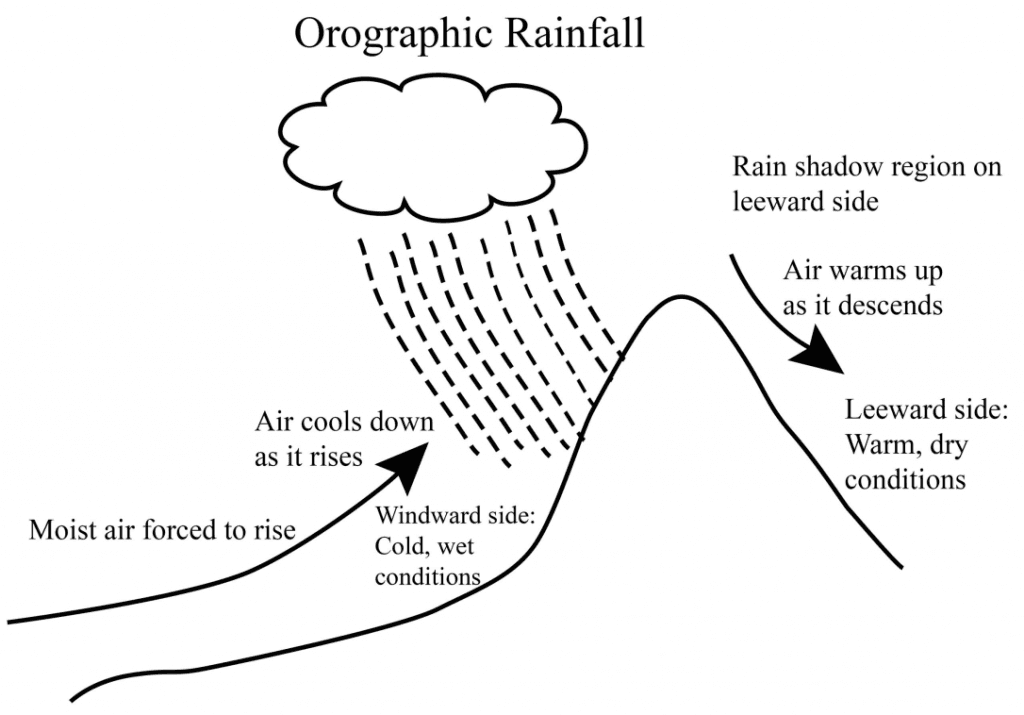
Meteorologists point to a combination of orographic lift over the steep King Range and at least two persistent atmospheric rivers earlier this winter as the primary drivers of the anomalous totals. As moist Pacific air moved onshore, the coastal peaks forced rapid uplift and cooling, squeezing out heavier rainfall along the immediate coast than farther inland. The National Weather Service's Eureka office has tracked the pattern and warned that such concentrated rainfall over steep terrain increases the likelihood of slope failures.
Heavy precipitation has a direct local impact in Humboldt County where narrow, winding roads and limited high-ground access can leave small communities isolated during storms. Repeated downpours saturate soils, raise creek and river levels, and weaken road cuts and hillsides. Officials monitoring conditions have emphasized that travel disruptions and infrastructure damage are realistic outcomes while soils remain soggy and streams stay elevated.
Beyond immediate travel concerns, sustained high rainfall alters the seasonal risk profile for the region. Landslides that follow prolonged wet periods can close county roads for days or weeks, damage private driveways and utilities, and complicate emergency response in remote pockets such as coastal gulches and ridge-top settlements. For residents who depend on a single access road or on power lines routed along unstable slopes, the added precipitation increases the chance of temporary isolation or outages.

The Honeydew measurement also offers a localized snapshot of a broader regional pattern. Coastal Humboldt, with its sharp topography right next to a moisture source, routinely amplifies incoming storm systems. This winter's sequence of moisture-rich storms has pushed some coastal monitoring sites well above long-term midseason averages, stressing natural and built systems designed for more typical water-year behavior.
For residents, the immediate takeaway is to stay informed through county alerts, avoid travel during heavy runoff, and check property and drainage lines for signs of saturation or movement. In the weeks ahead, county crews and utility providers will likely focus on clearing critical culverts and assessing vulnerable road segments, while emergency planners track weather-model updates for additional atmospheric river activity. These steps will determine whether this season's record precipitation becomes a short-term disruption or a trigger for longer recovery and infrastructure work along Humboldt's rugged coast.
Sources:
Know something we missed? Have a correction or additional information?
Submit a Tip