Hong Kong courts Central Asia, pitching itself as Belt and Road hub
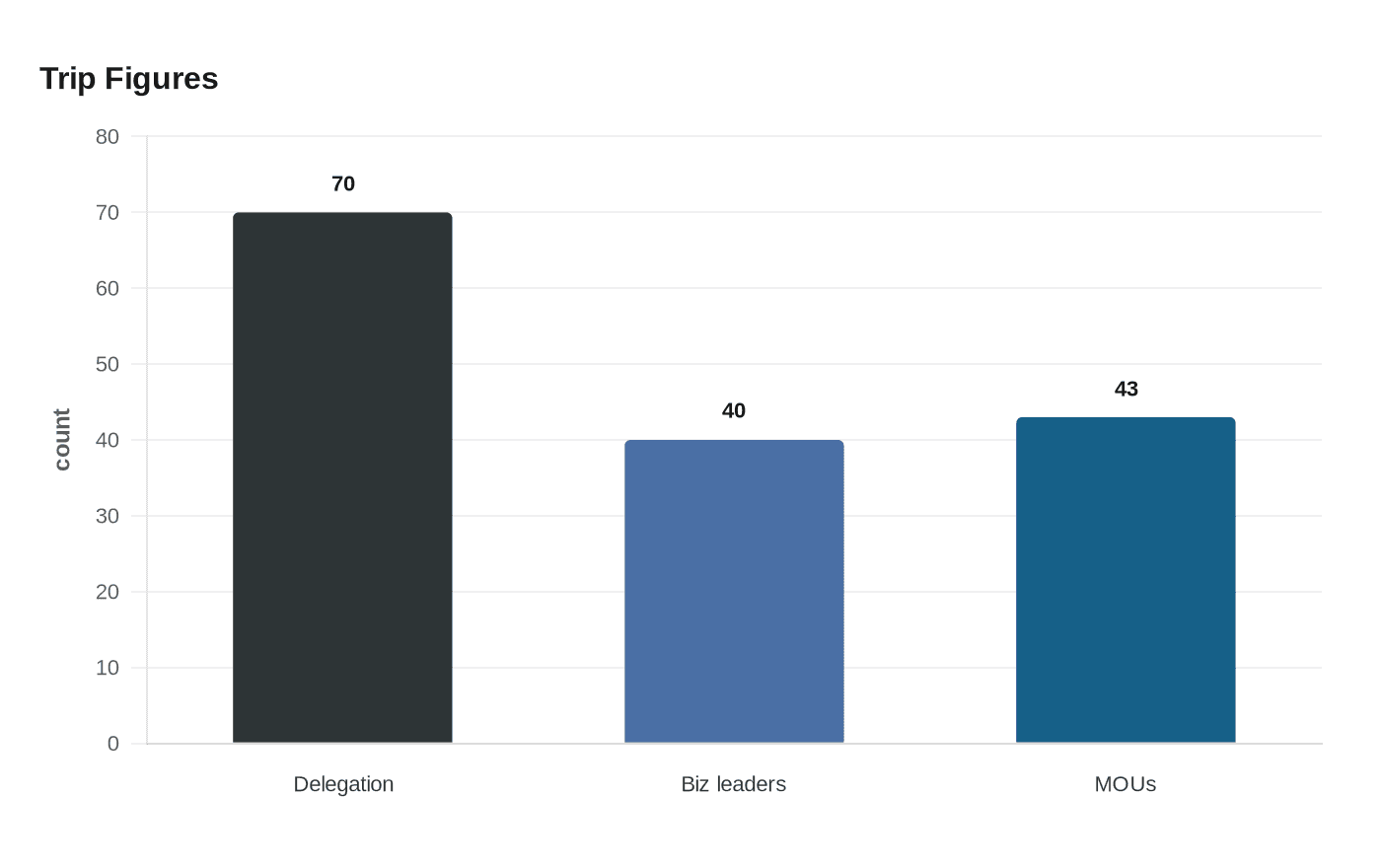
John Lee brought Hong Kong's biggest-ever delegation to Central Asia, with 70 people and 40 business leaders, to sell the city as a trade and finance bridge.

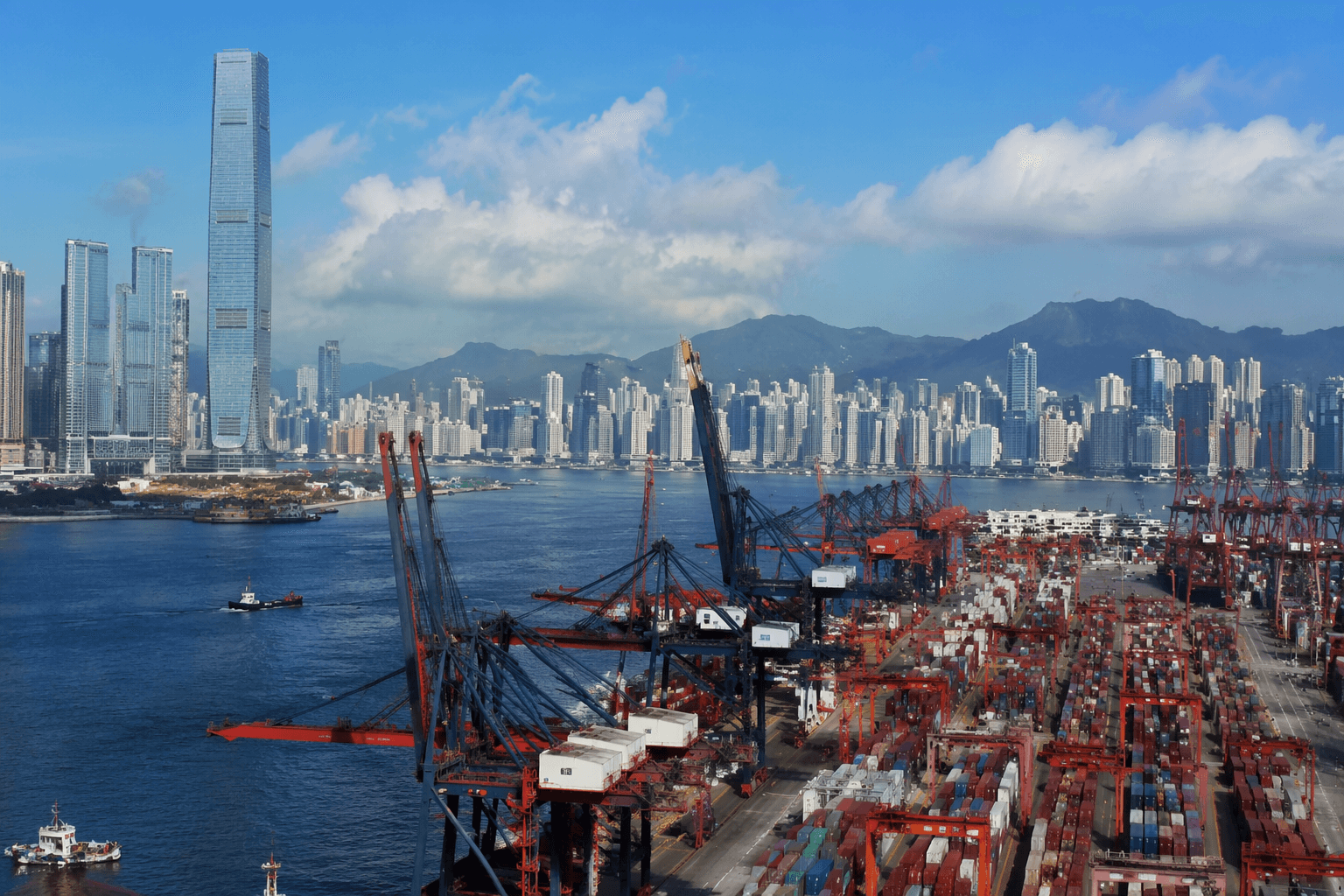
Hong Kong’s top leader landed in Central Asia with a pitch that went well beyond banking. John Lee led the city’s largest-ever delegation, a 70-member group that included 40 business leaders, first to Kazakhstan and then on to Uzbekistan, as Hong Kong tried to recast itself as a practical gateway for trade, capital, technology and services across the Asia-Pacific and Belt and Road orbit.
The economic logic is clear. Central Asian governments want investment, logistics and a way to diversify partners in a period shaped by sanctions risk, conflict and shifting energy flows. Hong Kong is offering its deep financial markets, professional services and commercial networks as a bridge to those needs. Lee said the delegation aimed to deepen collaboration in trade and investment promotion, financial services, information and technology services, culture and tourism, while Hong Kong officials framed the visit as part of the Belt and Road Initiative.
The visit also produced tangible commercial signs. The Hong Kong Trade Development Council said the Kazakhstan leg generated 43 memoranda of understanding and announcements. Cathay Pacific added a harder piece of infrastructure: it plans to restart direct Hong Kong-Almaty flights in the first quarter of 2027, with three flights a week on an Airbus A330-300. If launched, the route would be the only nonstop link between Hong Kong and Kazakhstan, a small but meaningful step for executives moving between the two hubs.
The outreach is not starting from zero. HKTDC data showed Kazakhstan was Hong Kong’s largest trading partner and leading export market in Central Asia in 2025. Hong Kong’s bilateral merchandise trade with Kazakhstan reached about US$300 million in 2023, after average annual growth of more than 12% from 2019 to 2023. HKTDC research also said Hong Kong ranked as Kazakhstan’s 10th largest net-investor globally as of January 2026, evidence that the relationship already has a financial base.
Uzbekistan looks less developed, which is exactly why the trip matters. HKTDC research said Hong Kong has yet to sign either a double taxation agreement or a bilateral investment treaty with Uzbekistan, a reminder that ambitions to be a regional conduit still depend on the legal and tax plumbing that firms need before they move money or build operations. Singapore is also courting Central Asian states as a gateway to Southeast Asia, underscoring that Hong Kong is competing for the same emerging trade corridors. For Hong Kong, the test is whether it can turn diplomacy, flights and memoranda into the kind of durable infrastructure that makes a commercial gateway credible.
This article was produced by Prism’s automated news system from verified source data, official records, and press releases, then run through automated quality and moderation checks before publishing. The system is built and supervised by the people who set the standards it runs under. Read our full AI policy.
Did this article answer your question?