Hormuz attacks push oil prices above prewar levels
Attacks on three commercial ships in the Strait of Hormuz sent crude above prewar levels, with at least four tankers turning back as insurers and shippers priced in more risk.
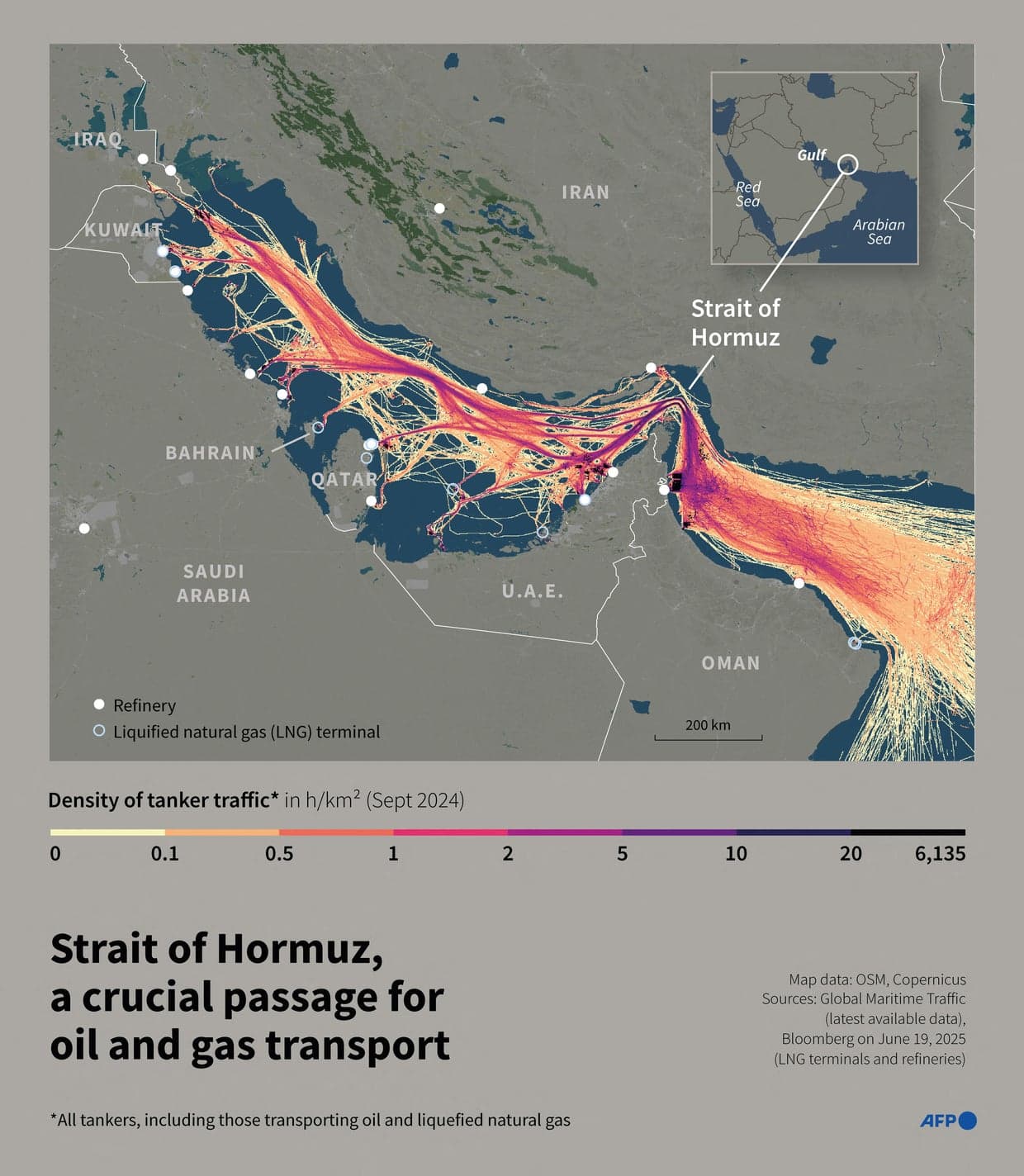
Attacks on three commercial ships in the Strait of Hormuz pushed crude back above prewar levels, as at least four oil and gas tankers turned back and maritime authorities raised the transit threat level to severe. The disruption hit one of the world’s most important energy chokepoints, which typically carries about 20% of global oil traffic.
The immediate damage was physical and psychological. United Kingdom Maritime Trade Operations reported incidents on Monday and Tuesday involving vessels struck by unknown projectiles and an uncrewed aerial vehicle, with no casualties reported. A Qatari LNG tanker was said to be at risk of exploding after being hit near the strait, and a Saudi crude tanker was damaged nearby.
The attacks also jolted tanker traffic that had only partly recovered after a fragile détente between Washington and Tehran in late June. Under that agreement, the strait had reopened after a three-month war that throttled global energy supplies, but traffic through the waterway had still been running at only about one-third to one-fifth of prewar levels. The latest flare-up made that recovery look even shakier.
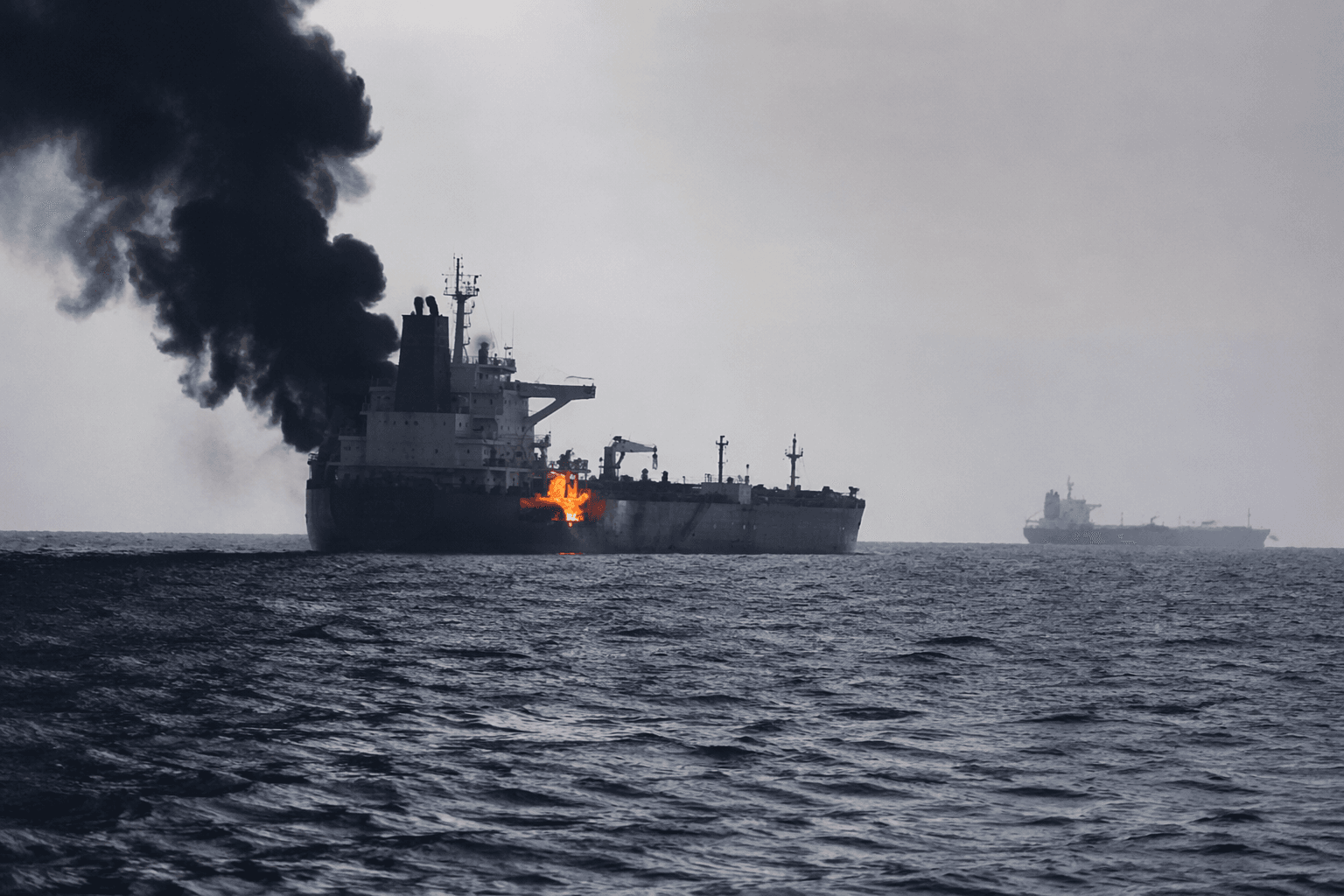
Shipping and insurance markets have been reacting first. Analysts had warned before the latest violence that transit through Hormuz was unlikely to normalize quickly because of higher insurance costs, mine risk and uncertainty over any durable peace deal. Many companies were already reluctant to send vessels back through the waterway, and the new attacks reinforced that hesitation as ship operators weighed whether rerouting was cheaper than exposure to another strike.
Washington escalated in response. The White House revoked Iran’s general license to export oil, and U.S. forces later launched strikes against Iran after the attacks on the commercial vessels. Central Command said those strikes hit more than 80 targets. The retaliatory cycle widened a conflict that was already feeding through shipping lanes and energy markets.
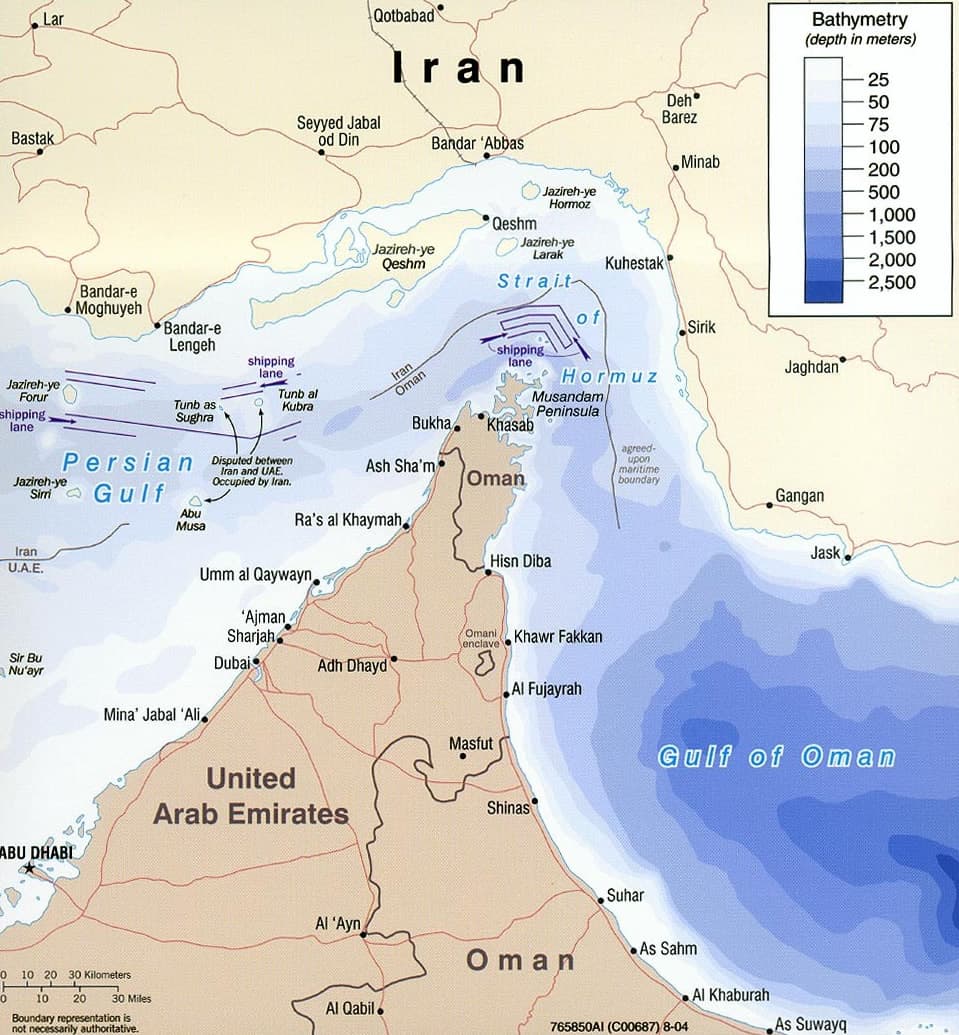
The wider market impact depends on whether this is a temporary wobble or a deeper supply shock. With Hormuz handling roughly one-fifth of the world’s oil flows, even short-lived disruptions can lift crude benchmarks fast. If tankers keep turning away and insurers keep charging more, those costs can work through refiners into gasoline prices and, eventually, the broader consumer price index. The International Maritime Organization said it was closely monitoring the situation to protect more than 20,000 seafarers in the region, including crews stranded on vessels unable to exit the strait.
This article was produced by Prism’s automated news system from verified source data, official records, and press releases, then run through automated quality and moderation checks before publishing. The system is built and supervised by the people who set the standards it runs under. Read our full AI policy.
Did this article answer your question?