Philippine Airlines set to order 24 widebody jets from Boeing, Airbus
Philippine Airlines is poised to split a 24-jet widebody order between Boeing and Airbus, its first Boeing deal in nearly 20 years, as it readies a long-haul refresh.
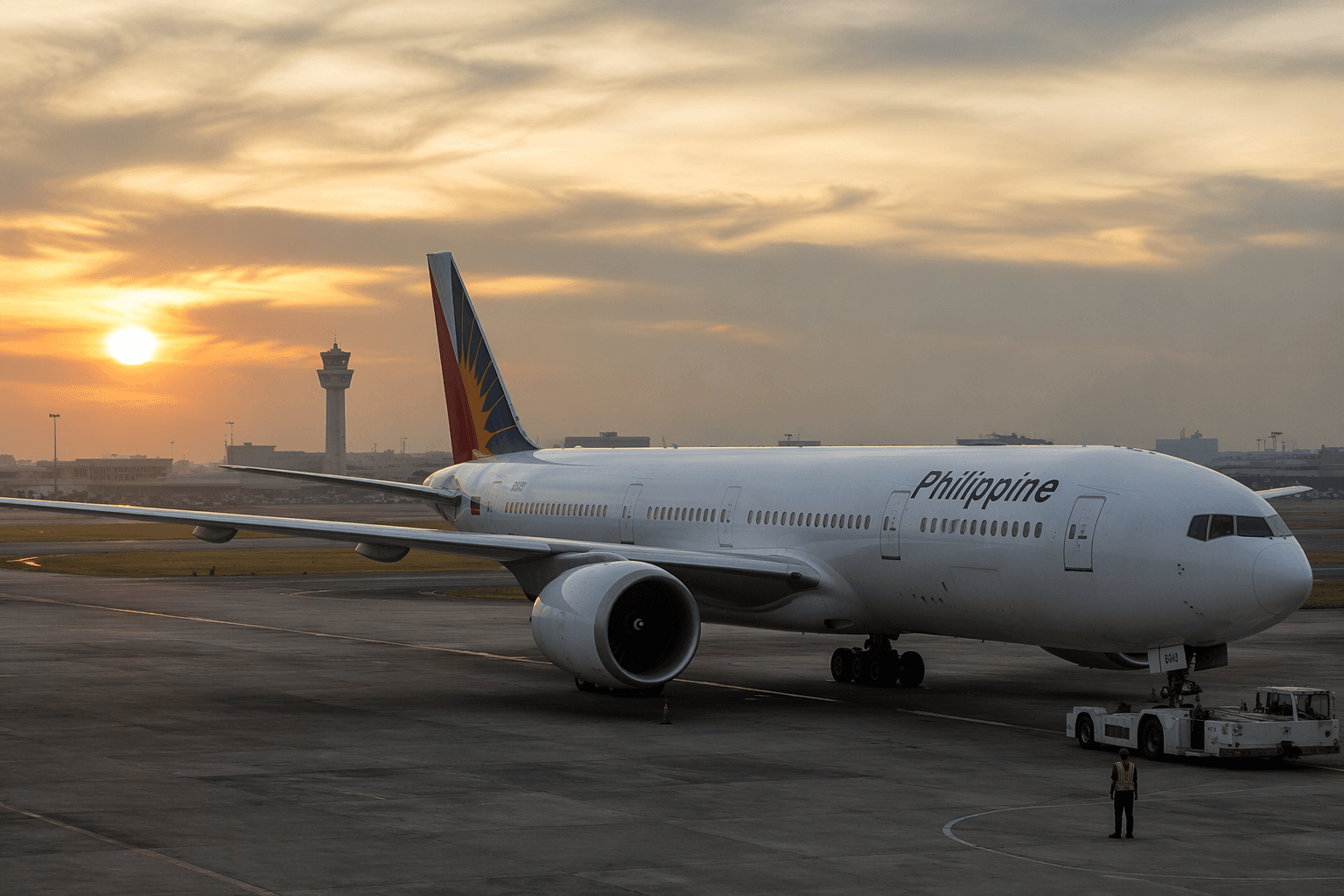
Philippine Airlines is poised to split a 24-jet widebody order between Boeing and Airbus, with 15 Boeing 787-10s and nine Airbus A350-1000s expected to be announced at the Farnborough Airshow later in July. The deal would be PAL’s first Boeing purchase in almost 20 years and one of the clearest signs yet that the flag carrier is preparing for a stronger long-haul cycle while keeping both major manufacturers in play.
The split order gives Philippine Airlines flexibility in a network that still relies on older Airbus A330-300s and Boeing 777-300ERs. PAL’s fleet page also lists Airbus A350-900s and A350-1000s, showing that the airline is already operating a mixed widebody platform as it works through a broader renewal. Earlier planning had pointed to as many as 20 widebodies to replace older aircraft, and the larger final order suggests PAL is pressing ahead with a more aggressive refresh rather than a modest top-up.
The timing fits a delivery pipeline that Philippine Airlines has been managing for months. In December 2025, PAL said its first A350-1000 had arrived in Manila, making it the first airline in Southeast Asia to operate the aircraft. In March, PAL president Richard Nuttall said in Singapore that the carrier had no plans to defer deliveries and expected five A350-1000s and four narrow-body aircraft to arrive roughly on time in 2026. On June 6, PAL signed a memorandum of understanding to join oneworld as its 16th member, a move that can deepen feeder traffic and premium demand on long-haul routes.
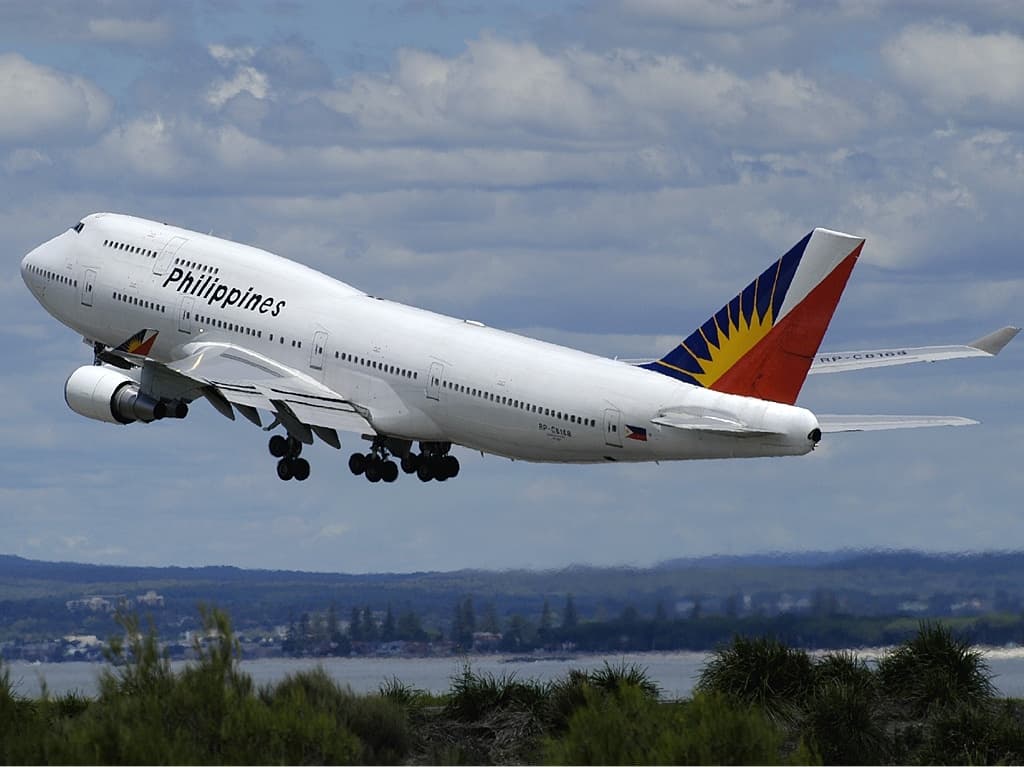
The Boeing portion would also trigger a separate engine contest between Rolls-Royce and GE Aerospace, adding another layer of commercial significance to the deal and spreading the benefit across the supply chain. For Boeing, the order would reopen a relationship that has been dormant for nearly two decades. For Airbus, it would reinforce PAL’s commitment to the A350 family even as the airline broadens its options. For Philippine Airlines, the split itself is the message: management appears confident enough in international travel growth to lock in capacity now, but wary enough of delivery risk, pricing power and supplier dependence to avoid leaning on one maker alone.
This article was produced by Prism’s automated news system from verified source data, official records, and press releases, then run through automated quality and moderation checks before publishing. The system is built and supervised by the people who set the standards it runs under. Read our full AI policy.
Did this article answer your question?