Horse therapy shows promise in easing PTSD for veterans, study finds
A Bedford Corners stable is testing whether horses can help veterans regulate emotion and cut PTSD symptoms, even as the clinical evidence remains limited.
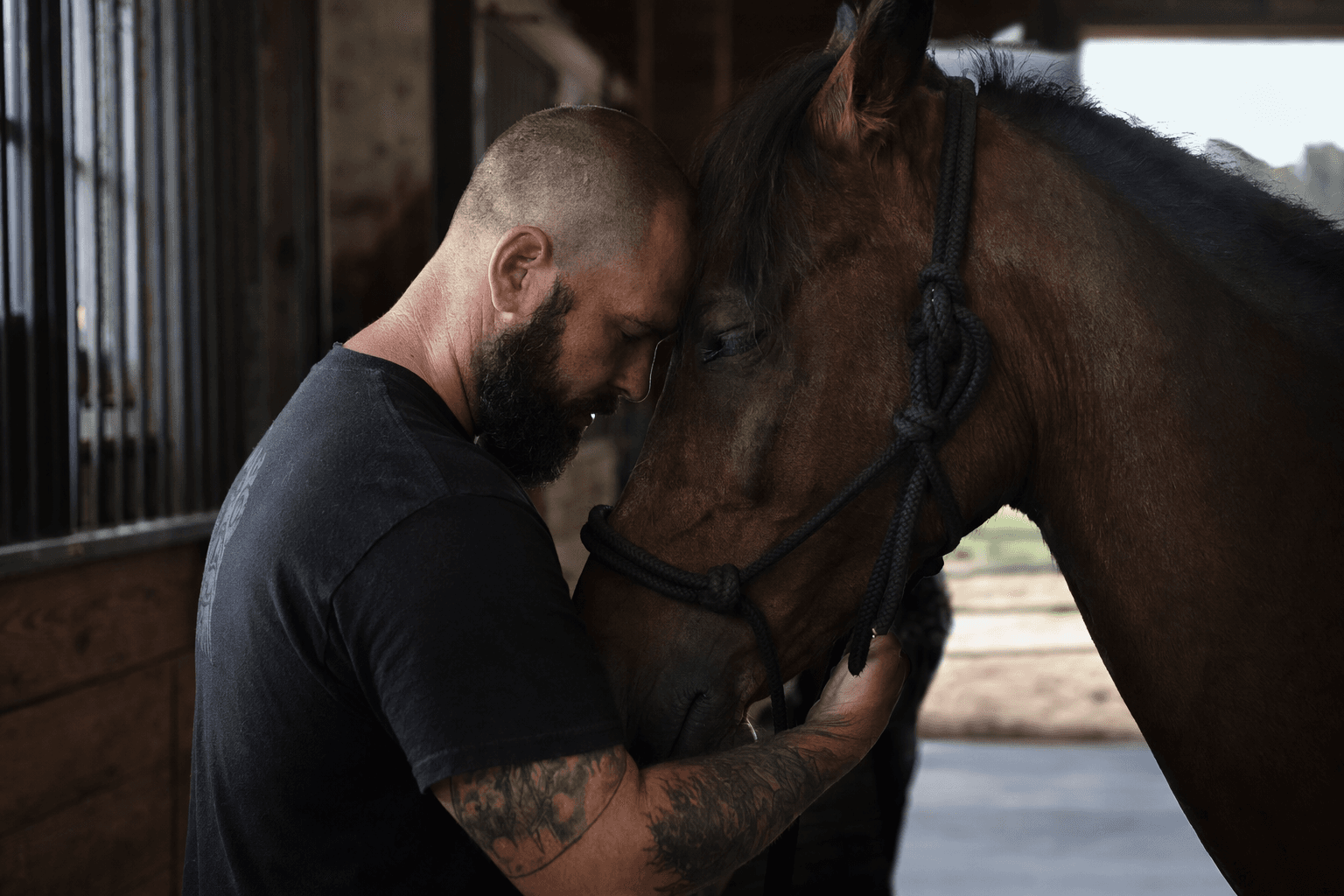
Horses are being put to work on one of the military’s hardest mental health problems, and the early signal is encouraging. At Endeavor Therapeutic Horsemanship in Bedford Corners, New York, veterans with PTSD join riders with disabilities and incarcerated participants in programs built around horse-human interaction, a model that researchers say may help with emotion regulation, coping skills and loneliness.
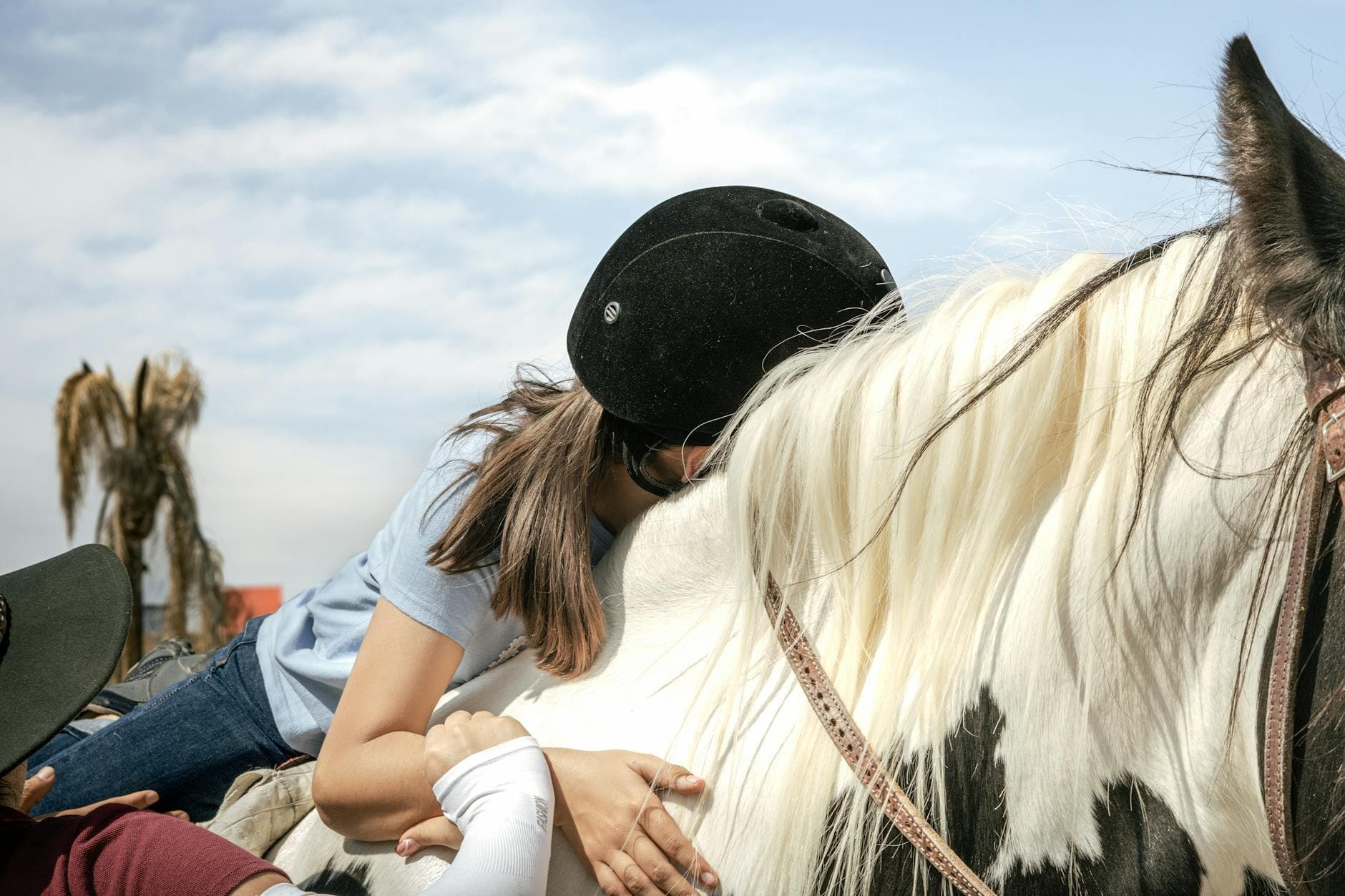
The appeal is easy to understand. Horses are highly attuned animals that can sense human emotion, and that connection has made them central to a growing field of equine-assisted interventions. But the gap between heartfelt testimony and clinical proof remains wide. The research base is still built mostly on small studies, including a randomized wait-list controlled trial of a six-week therapeutic horseback riding program for U.S. military veterans. That study tested whether riding could reduce PTSD symptoms and improve coping self-efficacy, emotion regulation and social and emotional loneliness.
A second pilot study looked at adaptive horsemanship over eight weeks and went further, examining PTSD symptoms, hormone concentrations, social motor synchrony and whether the horse-human interaction itself changed over time. Those are measurable outcomes, but they also underscore how new the field is: researchers are still trying to determine what part of the experience matters most, and how durable any benefit may be.
The work at Endeavor sits inside a larger system that is trying to professionalize the therapy. PATH International accredits therapeutic riding centers and certifies instructors and equine specialists. Its Equine Services for Heroes program says veterans of any age, branch or war or conflict can take part in services that range from therapeutic horsemanship and driving to psychotherapy incorporating horses and physical therapy with horses. PATH also says the Man O’ War Project at Columbia University Irving Medical Center developed a manualized equine-assisted psychotherapy curriculum for veterans with PTSD and tested it in an open trial that showed measurable reductions in PTSD and depressive symptoms.
That matters because veterans’ mental health remains a policy problem as much as a clinical one. A CBS New York report in 2019 said PTSD was a major contributing factor in veteran suicide and cited an average of 20 veterans a day dying by suicide. Evidence-based PTSD treatments do not work for every veteran, which helps explain why horse-based programs are drawing attention from researchers, veterans’ services and hospitals seeking new tools.
Still, the field’s credibility rests on data, not sentiment. Equine-assisted therapy now has accreditation, manuals and pilot trials. What it does not yet have is the level of proof that would make it a universal answer for PTSD.
This article was produced by Prism’s automated news system from verified source data, official records, and press releases, then run through automated quality and moderation checks before publishing. The system is built and supervised by the people who set the standards it runs under. Read our full AI policy.
Did this article answer your question?