Hot-cold contrast therapy surges as everyday recovery ritual
Contrast therapy from saunas to ice baths has surged as a popular ritual for recovery, mental reset and improved circulation.
%3Amax_bytes(150000)%3Astrip_icc()%2FVWH_Illustration_Contrast-Therapy-in-Physical-Therapy_Danie-Drankwalter_Final-e0dfdcae3d364ff3a5cd87c889684b82.jpg&w=1920&q=75)
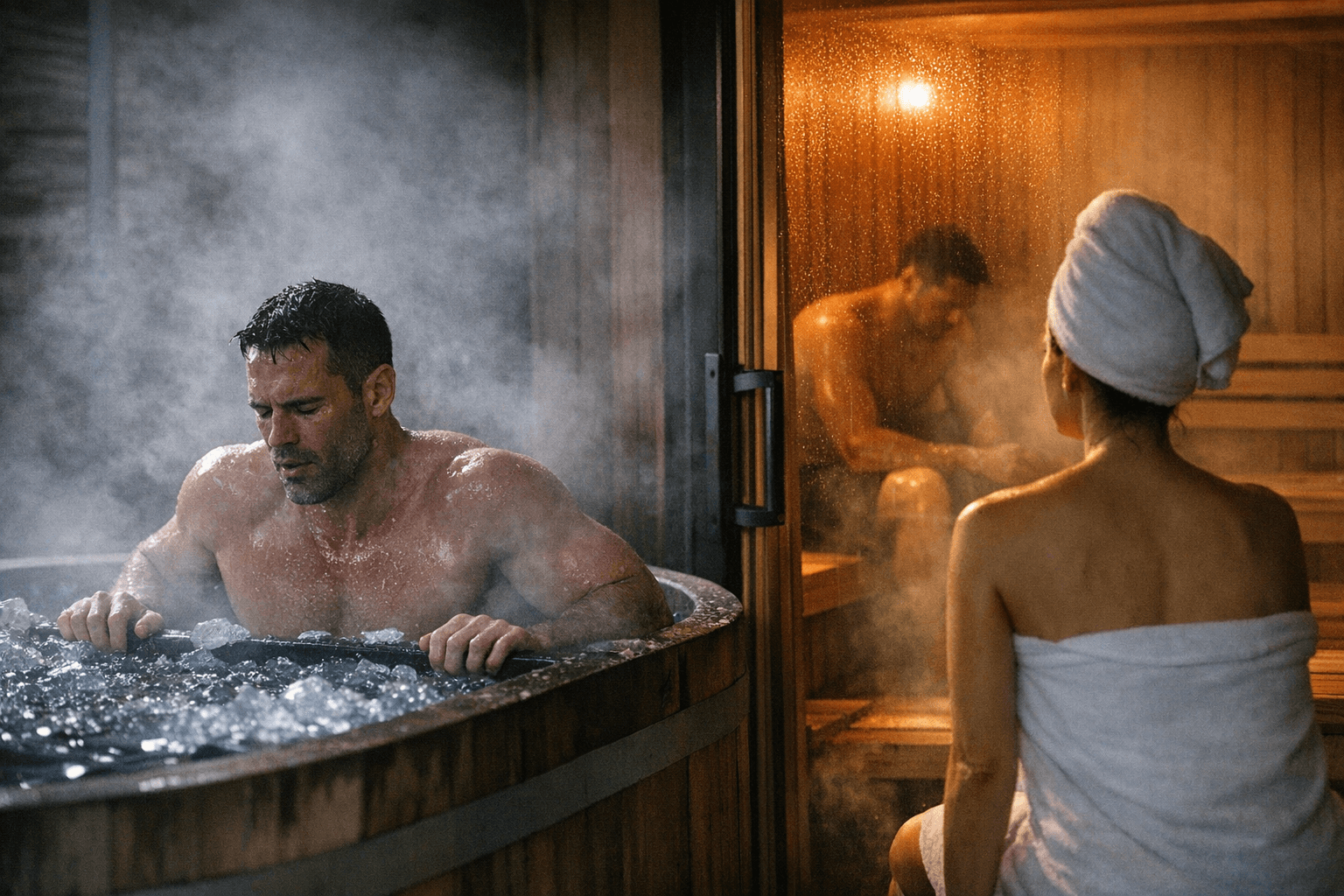
Contrast therapy — the cycle of heat followed by cold — has moved from traditional practice to mainstream recovery ritual. Across gyms, spas and dedicated plunge clubs, people are embracing saunas and ice baths as a combined routine that targets soreness, stress and skin circulation.
The method is simple and physiological. Heat dilates blood vessels, increasing circulation and oxygen delivery. Cold, especially water below about 8°C, triggers vasoconstriction and reduces inflammation and swelling. Alternating between the two creates a pumping effect that flushes metabolic waste, improves muscle oxygenation and can speed recovery after exertion. Practitioners describe benefits that fall into three clear categories: physical recovery, a mental reset through trained tolerance and breathwork, and temporary skin benefits such as reduced puffiness and a circulation-driven glow.
Contrast work is hardly new. Scandinavian sauna and sea-plunge rituals, Japanese purification practices known as hi-to-kori, and Roman bathing cycles all used temperature contrast for health and ritual. What has changed is context: modern life’s steady stimulation and sedentary habits have made a deliberate hot-cold cycle attractive as a tool for recalibration. The practice now sits at the intersection of recovery culture, neuroscience and beauty routines, and its popularity has been amplified by social platforms and the growth of dedicated wellness spaces.
Practical entry points are straightforward. For beginners a gentle protocol works best: about 15 minutes in a sauna or hot room followed by a short cold plunge of 30 seconds to a minute to start. Gradually increase cold exposure as tolerance builds and pay attention to breath control during each transition. That combination protects circulation while training nervous system resilience.
Safety matters. Contrast therapy is not suitable for everyone. People with heart conditions, severe asthma, intense migraines, or those who are pregnant should avoid plunges or consult a medical professional before trying them. Start slowly, use controlled breathing, and prioritize moderation over extremes. If a facility lacks a trained attendant, perform transitions with a buddy and an accessible exit strategy.
Where to try contrast sessions, look to local spas, community bathhouses, athletic clubs and emerging cold-plunge studios. Many facilities now offer guided contrast cycles, often pairing breathwork or brief coaching with timed saunas and plunges.
For regulars and newcomers alike, contrast therapy offers a compact ritual: a chance to reduce soreness, reset mentally and boost skin circulation in a single session. Start small, respect safety limits, and let the rhythm of heat and cold be a practical tool in your weekly recovery kit.
Sources:
Know something we missed? Have a correction or additional information?
Submit a Tip