House approves short-term surveillance extension after GOP revolt stalls broader deal
The House raced to extend a key warrantless spying power until April 30 after Republicans torpedoed a broader deal. The stopgap leaves Section 702’s future unresolved.
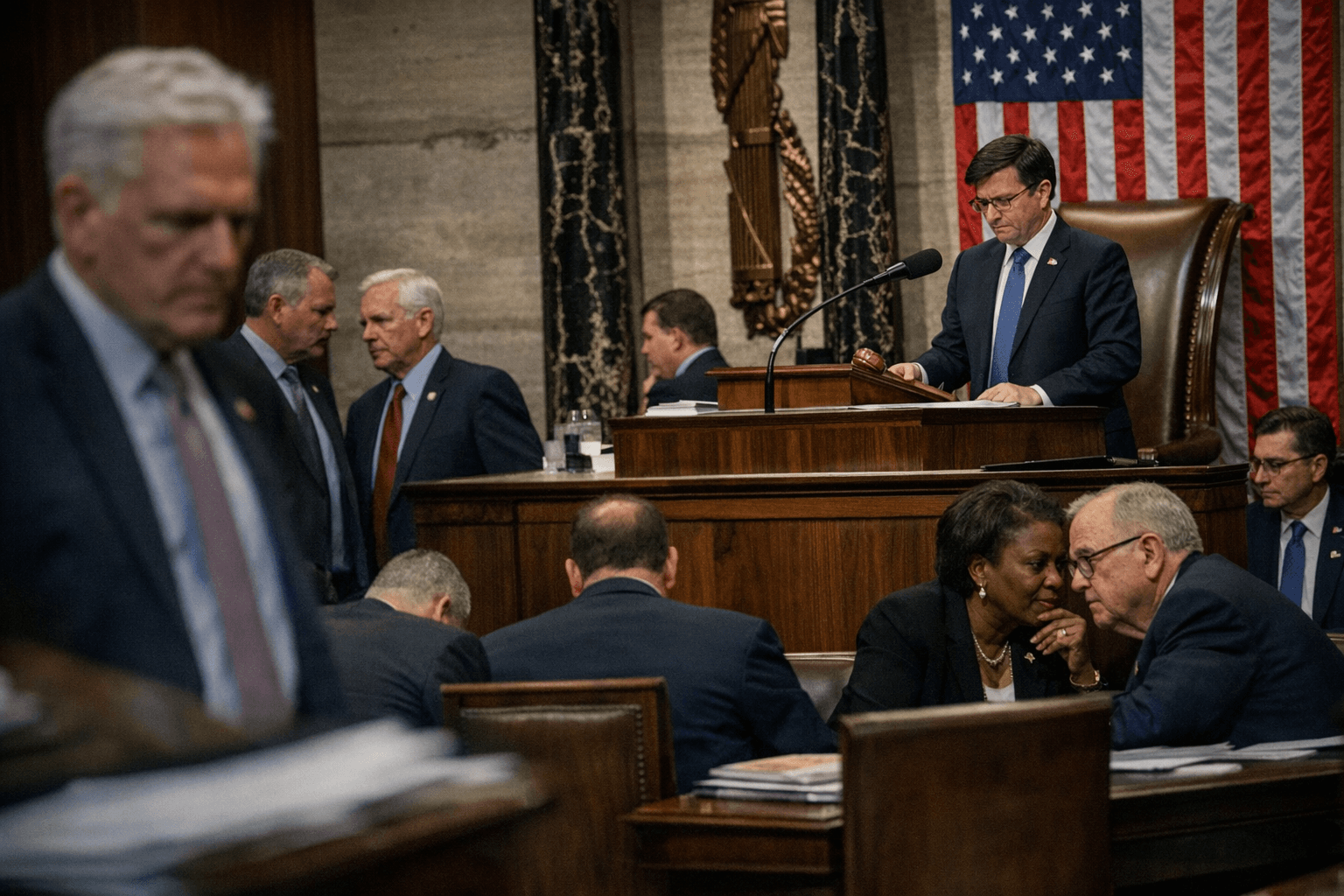
The House approved a short-term extension of Section 702 just before the surveillance authority was set to lapse, preserving a core intelligence tool for another 10 days while Republicans remained split over how far to go on reforms. The stopgap buys time, but it also leaves unresolved whether Congress will tighten oversight or settle for another narrow renewal.
Section 702 of the Foreign Intelligence Surveillance Act lets U.S. agencies collect foreign communications without a warrant, and it can also sweep in Americans’ messages when they are in contact with overseas targets. Intelligence officials have long said the authority is essential for tracking terrorist plots, cyber intrusions and foreign espionage. Civil liberties critics say the same system can be abused because it allows warrantless access to Americans’ communications through incidentally collected data and database queries.
The urgency was driven by the April 20, 2026 expiration set when Congress reauthorized the program in 2024 through the Reforming Intelligence and Securing America Act. After a late-night scramble, House leaders brought lawmakers back for back-to-back votes, but a larger GOP-backed plan collapsed under defections. That broader proposal would have extended Section 702 for five years with revisions, and a compromise discussed on April 16 would have paired a five-year extension with warrant language and tougher criminal penalties for violations.
Instead, lawmakers approved the short-term renewal through April 30 by unanimous consent in both chambers after the procedural effort fell apart in the House. The episode exposed a fault line inside the Republican conference between security-minded hawks who want to preserve the program with minimal disruption and hard-liners who want stronger privacy protections before any renewal moves forward.
President Donald Trump had pushed for a clean 18-month extension, and Speaker Mike Johnson initially backed that route before the votes unraveled. The White House and CIA Director John Ratcliffe also lobbied House Republicans to keep the authority alive. On the other side, Rep. Warren Davidson and other privacy-focused conservatives pressed for a warrant requirement for U.S.-person queries and more explicit limits on how the FBI may search Section 702 databases.
Former national security officials warned Congress not to let the authority expire, arguing that a lapse would disrupt a surveillance program used by the Central Intelligence Agency, the National Security Agency and the Federal Bureau of Investigation. But the latest confrontation suggests the revolt in the House has delayed a decision more than it has forced a lasting settlement. Congress now faces a narrow new deadline, and the next vote will test whether lawmakers can produce a substantive overhaul or fall back again on another short extension.
This article was produced by Prism’s automated news system from verified source data, official records, and press releases, then run through automated quality and moderation checks before publishing. The system is built and supervised by the people who set the standards it runs under. Read our full AI policy.
Did this article answer your question?

