House Financial Services Committee Holds Major Hearing on Tokenized Securities Rules
The SEC approved Nasdaq's tokenized securities pilot just four days before Congress held what analysts called its most significant blockchain hearing ever.
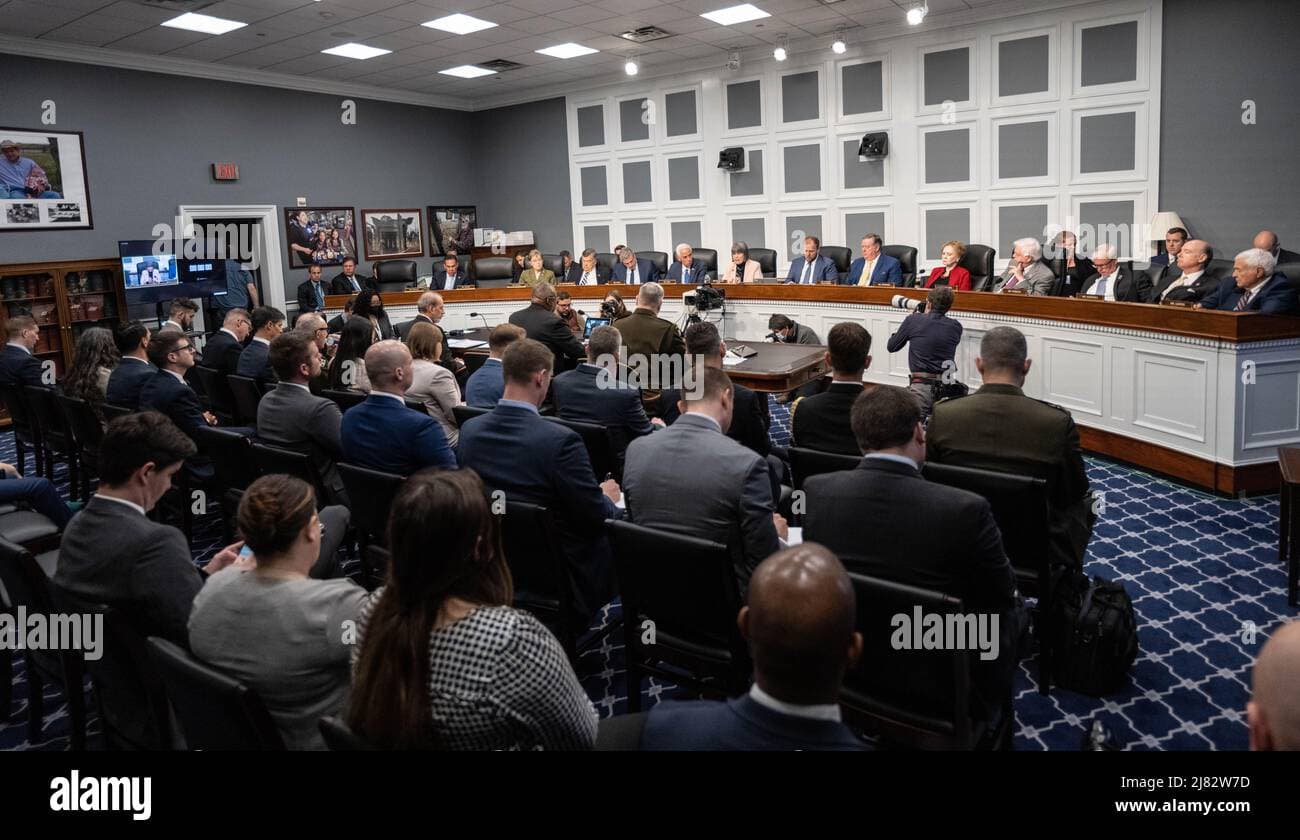
Four days after the SEC greenlit Nasdaq's proposal to let tokenized securities trade alongside traditional shares on the same order book, the House Financial Services Committee convened in Room 2128 of the Rayburn House Office Building Wednesday morning for a hearing that brought Wall Street's blockchain ambitions directly before Congress.
Chair French Hill of Arkansas opened the 10:00 AM EDT session, titled "Tokenization and the Future of Securities: Modernizing Our Capital Markets," by questioning executives from Nasdaq and the Depository Trust & Clearing Corporation alongside trade group leaders and industry participants. Blockchain Association CEO Summer Mersinger was among the confirmed witnesses, with lawmakers pressing the panel on how to move what one account described as "trillions in securities onto blockchain rails."
The SEC's concurrent approval of a Nasdaq pilot to test tokenized versions of select Russell 1000 stocks and related index ETFs gave the hearing an immediate backdrop. Regulators reiterated through that approval that tokenized assets remain securities under existing federal law, a clarification the committee used to frame its central question: whether current securities statutes are strangling the efficiency of tokenized assets, and whether regulated firms can use blockchain records without triggering enforcement actions.
Two draft bills circulated ahead of the session. The Modernizing Markets Through Tokenization Act would require the SEC and CFTC to halt their jurisdictional disputes and conduct a joint study on tokenized derivatives. The Capital Markets Technology Modernization Act goes further, explicitly codifying broker-dealers' ability to use blockchain for record-keeping. Both bills reflect a legislative shift that one journalist characterized as a move from "crypto as casino" to "crypto as infrastructure."
The hearing arrived roughly one week after the SEC and CFTC signed a coordination pact, with both agencies aligning their interpretive positions just as Congress moved to set the statutory framework. The real-world asset market, which has grown to more than $12 billion, provided the commercial context for urgency.
That urgency has a hard deadline attached to it. Senator Bernie Moreno warned that if the CLARITY Act, the broader digital-asset legislation approaching Senate markup, does not reach the Senate floor by May, crypto legislation may not move again for years. A late-April Banking Committee markup would leave the bill's five remaining legislative steps in an extremely narrow corridor before that cutoff. The CLARITY Act's largest recent obstacle was resolved "in principle" by two key senators, though the full path to a Senate floor vote remains compressed against the midterm election cycle.
The testimony delivered Wednesday is expected to directly shape the bipartisan legislation anticipated later this spring, with the House holding the hearing while the Senate prepares the markup and both the SEC and CFTC having already laid what analysts described as an interpretive foundation beneath the entire structure.
This article was produced by Prism’s automated news system from verified source data, official records, and press releases, then run through automated quality and moderation checks before publishing. The system is built and supervised by the people who set the standards it runs under. Read our full AI policy.
Did this article answer your question?

