House forces Ukraine aid vote after GOP leaders block bill
Six Republicans broke with Mike Johnson to force Ukraine aid onto the House floor, exposing a GOP split and reviving an $8 billion sanctions package.

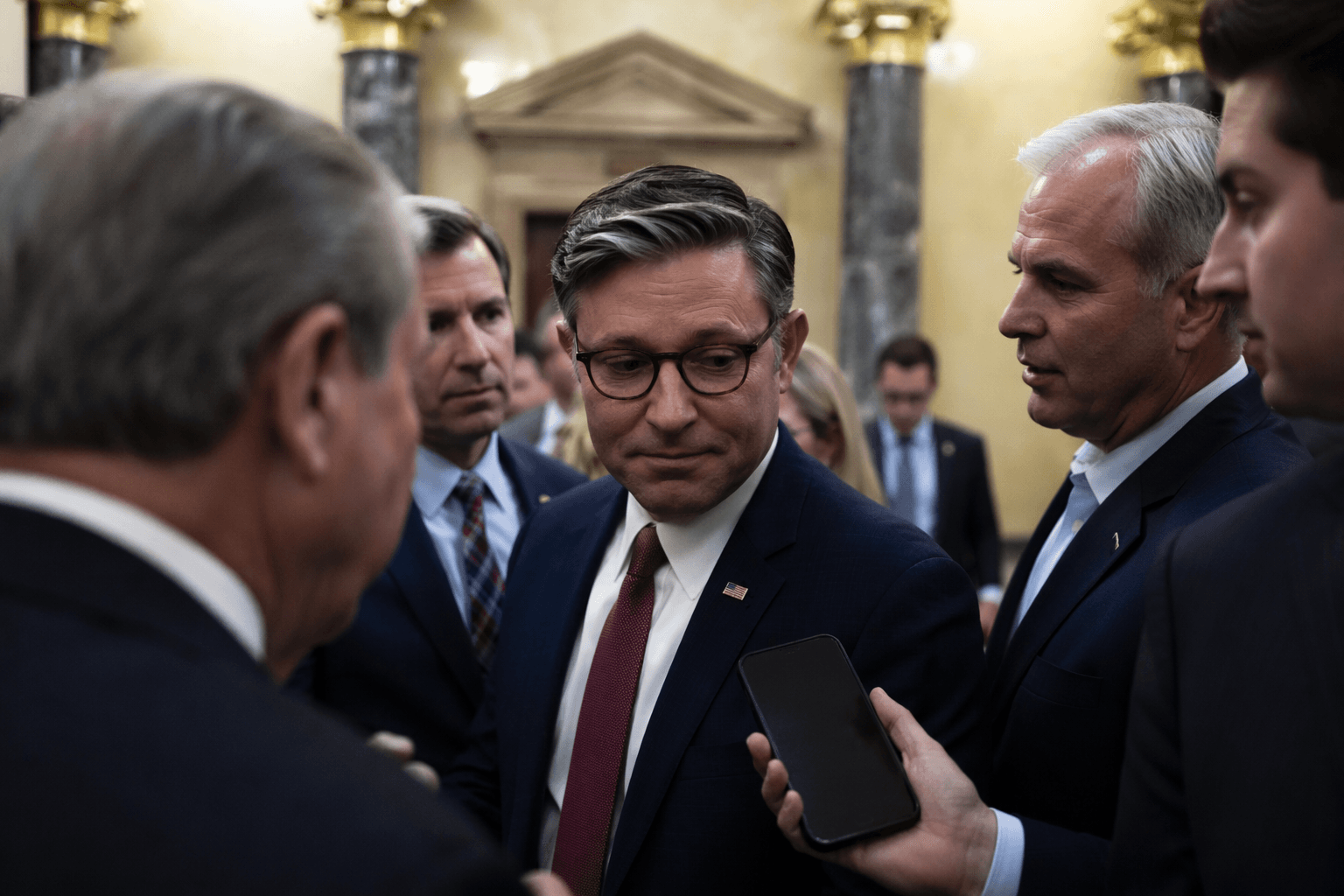
The House broke a monthslong blockade and forced a vote on Ukraine aid after six Republicans joined Democrats to overrule Speaker Mike Johnson’s resistance and send the bill to the floor. The procedural motion passed 218-204 on June 3, giving the Ukraine Support Act a path to final House action and turning the fight into a direct test of whether congressional backing for Kyiv still has enough support to survive Republican leadership.
The rebellion did not happen overnight. A discharge petition reached the 218-signature threshold on May 13, with signatures from 215 Democrats, two Republicans and one Independent, an unusually broad coalition for a foreign policy fight. The lawmakers behind it included Gregory Meeks, Steny Hoyer, Brian Fitzpatrick, Marcy Kaptur, Bill Keating, Don Bacon and Kevin Kiley, a lineup that underscored how Ukraine aid has split the Republican Party between leadership aligned with President Donald Trump and a small bloc still willing to vote with Democrats.
The measure was introduced by Meeks, the top Democrat on the House Foreign Affairs Committee, and it would materially expand U.S. support for Ukraine at a critical point in the four-year war. The bill would provide $8 billion in military financing, extend the Ukraine Security Assistance Initiative through 2027 and authorize additional money for postwar reconstruction. It would also tighten pressure on Moscow through sanctions on Russian financial institutions, oil and mining interests, Rosatom, the Russian sovereign debt market and Russia-North Korea cooperation.
Beyond direct military aid, the legislation would add tools aimed at Russia’s broader war effort. It would counter Russian disinformation, support Radio Free Europe, strengthen backing for NATO, authorize duties on Russian goods and limit presidential authority to end sanctions without cause. Taken together, the package would give Washington a wider economic and informational campaign against Moscow, not just another weapons tranche for Kyiv.
Supporters cast the bill as a statement that Ukraine’s sovereignty and territorial integrity still matter to Congress, even as Trump and Republican leaders have resisted further large-scale assistance. The vote marked the first major Ukraine aid measure to gain significant traction in Congress since Trump returned to the White House, and it came as U.S. military aid to Kyiv had reportedly fallen sharply in his first year back in office.
If the House approved the bill, backers wanted the Senate to move quickly. For Johnson, the more immediate problem was the procedural break itself: once a bipartisan coalition can force Ukraine policy past the speaker’s desk, House control becomes part of the story, not just the vote count.
This article was produced by Prism’s automated news system from verified source data, official records, and press releases, then run through automated quality and moderation checks before publishing. The system is built and supervised by the people who set the standards it runs under. Read our full AI policy.
Did this article answer your question?