Mark Sanford joins crowded South Carolina GOP Senate race
Mark Sanford’s entry deepened a nine-candidate GOP field as South Carolina Republicans weigh Trump loyalty, establishment power and electability after Lindsey Graham.

Mark Sanford has entered the Republican primary to succeed Lindsey Graham in the U.S. Senate, adding another statewide name to a field that already included at least nine GOP contenders. The former South Carolina governor and congressman is now part of a succession fight that will put the party’s next direction on display in one of its safest states.
South Carolina election officials set the special Republican primary for Aug. 11, 2026, with a runoff on Aug. 25 if no candidate wins a majority. The filing period opened July 16 and closed July 21, and the winner will appear on the Nov. 3, 2026, general election ballot. State officials said the special filing period and primary were being run under S.C. Code of Laws Section 7-11-55, and that the contest was open only to Republican Party candidates.
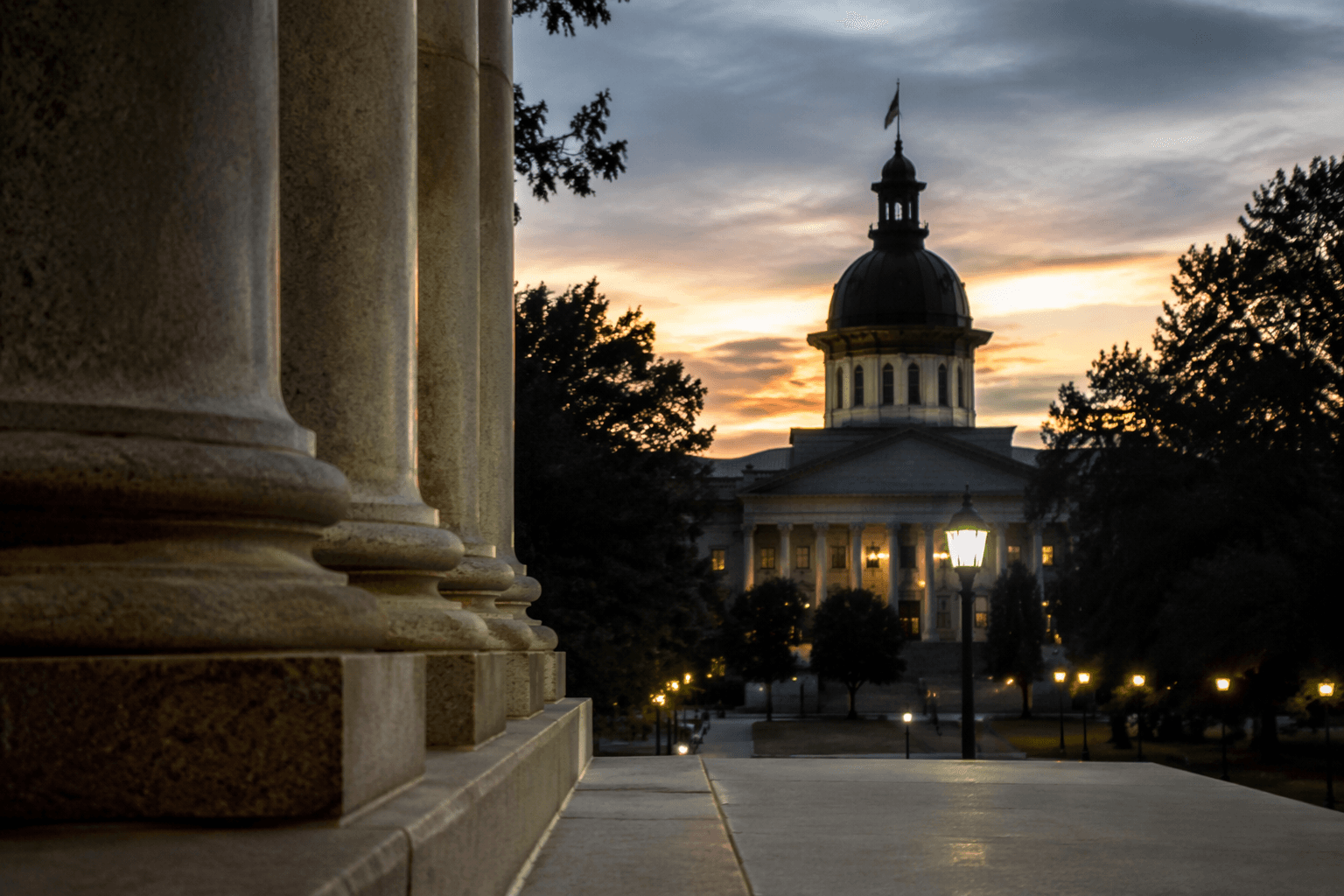
The field is already dividing into familiar GOP camps. Nancy Mace and Ralph Norman are the most visible contenders for the party’s combative, Trump-era wing, a lane built on confrontation and loyalty to the president’s political style. Sanford and Trey Gowdy offer a different argument: that South Carolina Republicans may still value executive experience, legislative credentials and a broader appeal beyond the hardest-core primary voters. Andre Bauer and Walterboro attorney Duke Buckner add their own mix of local ties and outsider appeal, while Darline Graham Nordone, Lindsey Graham’s sister, carries the family name into the race after Gov. Henry McMaster named her to fill the seat for the rest of the term.
That mix makes the contest an early measure of which faction can inherit Graham’s coalition. Nordone gives supporters of continuity a bridge to the old order, but Sanford’s entrance raises the stakes for Republicans who think the seat should go to someone with governing experience rather than a pure culture-war profile. In a state that remains strongly Republican, the real question is not whether the party will hold the seat, but which version of the party will claim it.
Polling cited in race coverage showed no clear favorite and said undecided voters were the largest bloc, even with Nordone included. For Sanford, whose political comeback has long been shadowed by a past scandal, the race offers another test of whether South Carolina Republicans are willing to prioritize electability and familiarity over ideological purity.
This article was produced by Prism’s automated news system from verified source data, official records, and press releases, then run through automated quality and moderation checks before publishing. The system is built and supervised by the people who set the standards it runs under. Read our full AI policy.
Did this article answer your question?