House Judiciary subpoenas Coupang amid probe of alleged Korean regulatory bias
Republican leaders subpoenaed Coupang for communications and testimony, citing alleged discrimination by South Korean regulators and potential conflict with U.S.-Korea trade commitments.

Republican leaders of the U.S. House Judiciary Committee issued a subpoena to Coupang Inc. on Feb. 5 demanding documents and witness testimony as part of an inquiry into whether South Korean regulators have discriminated against U.S.-linked technology firms. The committee named Harold Rogers, a senior Coupang executive, as the company representative required to appear for testimony or a deposition and asked for communications between the company and Korean authorities.
Committee materials describe the probe as oversight into "how and to what extent foreign laws, regulations, and judicial orders are being used to discriminate against innovative American companies and infringe on the rights of U.S. citizens." Leaders of the panel said they are particularly focused on interactions with Korea’s Fair Trade Commission and other agencies that, they contend, may have imposed punitive obligations, excessive fines, or discriminatory enforcement that benefit domestic competitors.
Committee Chairman Jim Jordan of Ohio and Subcommittee on Regulatory Reform and Antitrust Chairman Scott Fitzgerald of Wisconsin jointly signed the Feb. 5 action. In written remarks accompanying the inquiry, Jordan wrote, "Over the past few months, the KFTC and other agencies within the Korean government have escalated their discriminatory attacks on American technology companies, including by threatening U.S. citizens with criminal charges." He added that congressional investigation is necessary "to develop effective legislation, including new laws protecting American companies and citizens from foreign governments’ discriminatory laws and enforcement decisions" and to assess effects on due process and U.S. firms' global competitiveness.
Fitzgerald framed the probe as a response to what he called continuing pressure on U.S.-owned firms, saying, "Despite US‑Korea trade agreements, the Korean government has continued targeted attacks on US‑owned companies." The subcommittee chair further asserted that "Regulatory enforcement agencies, including Korea's Fair Trade Commission, have repeatedly engaged in discriminatory treatment, unfair investigations, and even threats of criminal prosecution against Coupang, an innovative American e‑commerce company."
The subpoena seeks a broad production of documents related to Coupang’s communications with South Korean agencies. Committee material identifies the Korea Fair Trade Commission and the National Intelligence Service among the bodies of interest and cites a multiple-year window for records requests. The subpoena also obliges Coupang to produce a company representative, identified as Harold Rogers, for testimony or deposition; committee materials list potential hearing dates in May, though the panel has otherwise described the deposition as scheduled for a future date.
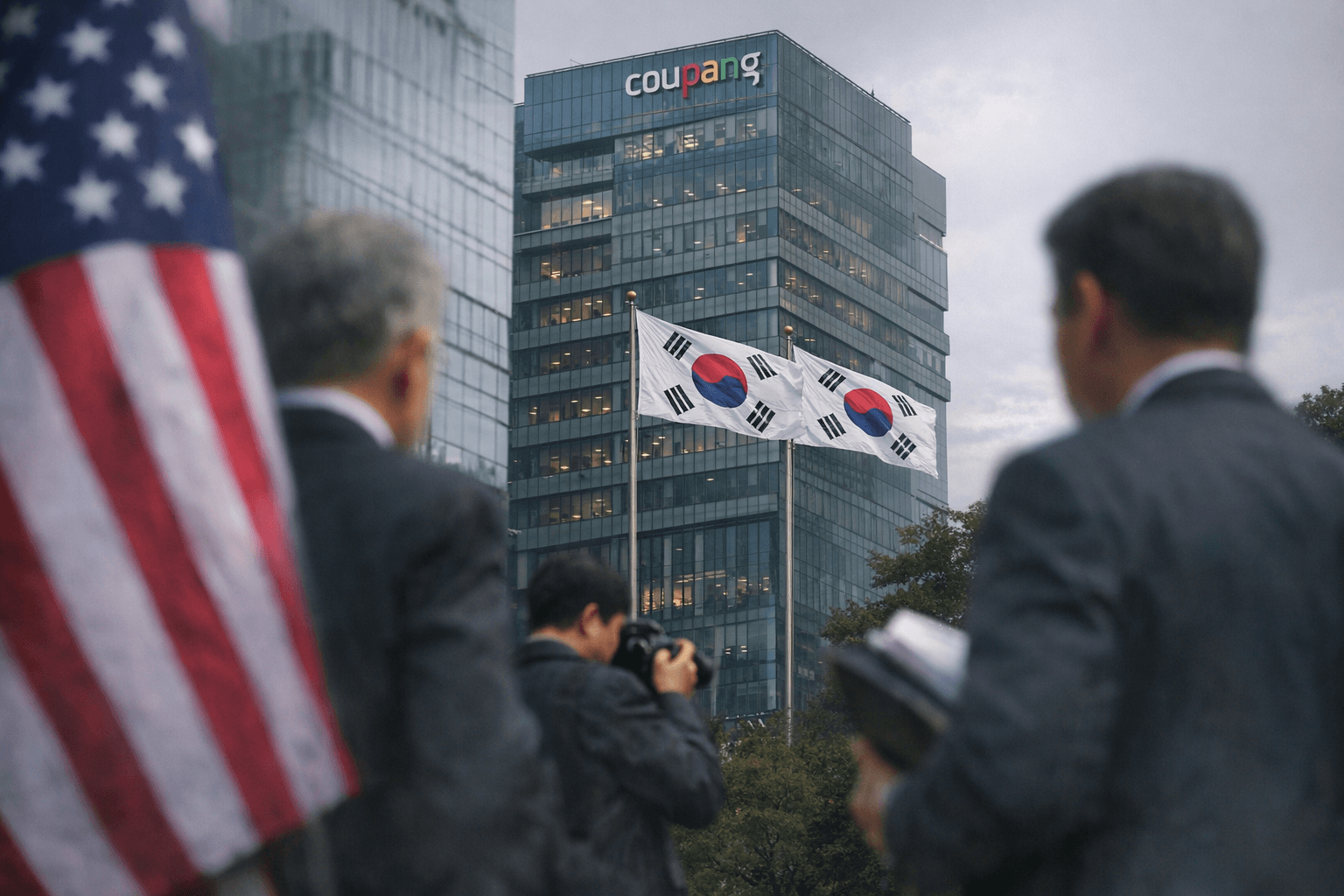
Coupang responded to the committee by saying, "Coupang will fully cooperate with the U.S. House Judiciary Committee investigation, including production of documents and witness testimony as required by the subpoena." The company faces separate scrutiny in Seoul, where authorities are investigating a data breach the company disclosed last fall that affected roughly 33 million users, many in South Korea.
The move places congressional oversight at the intersection of trade policy, corporate governance, and diplomatic relations. Lawmakers framed the inquiry as groundwork for potential legislation to protect U.S. companies from foreign regulatory actions. For Coupang and other multinational platforms, the subpoena raises questions about jurisdiction, the protections available to American executives abroad, and how bilateral trade commitments are enforced when regulatory disputes arise.
The committee’s next steps include receiving the requested records and conducting testimony. The outcome could inform congressional proposals on cross-border enforcement and digital trade barriers, while also increasing scrutiny of how allied governments regulate large technology platforms that operate on both sides of the Pacific.
This article was produced by Prism’s automated news system from verified source data, official records, and press releases, then run through automated quality and moderation checks before publishing. The system is built and supervised by the people who set the standards it runs under. Read our full AI policy.
Did this article answer your question?

