House Moves to Extend Controversial Surveillance Power Before Deadline
With Section 702 due to lapse on April 30, the House raced to extend a surveillance power that can collect Americans’ communications when they touch foreign targets.
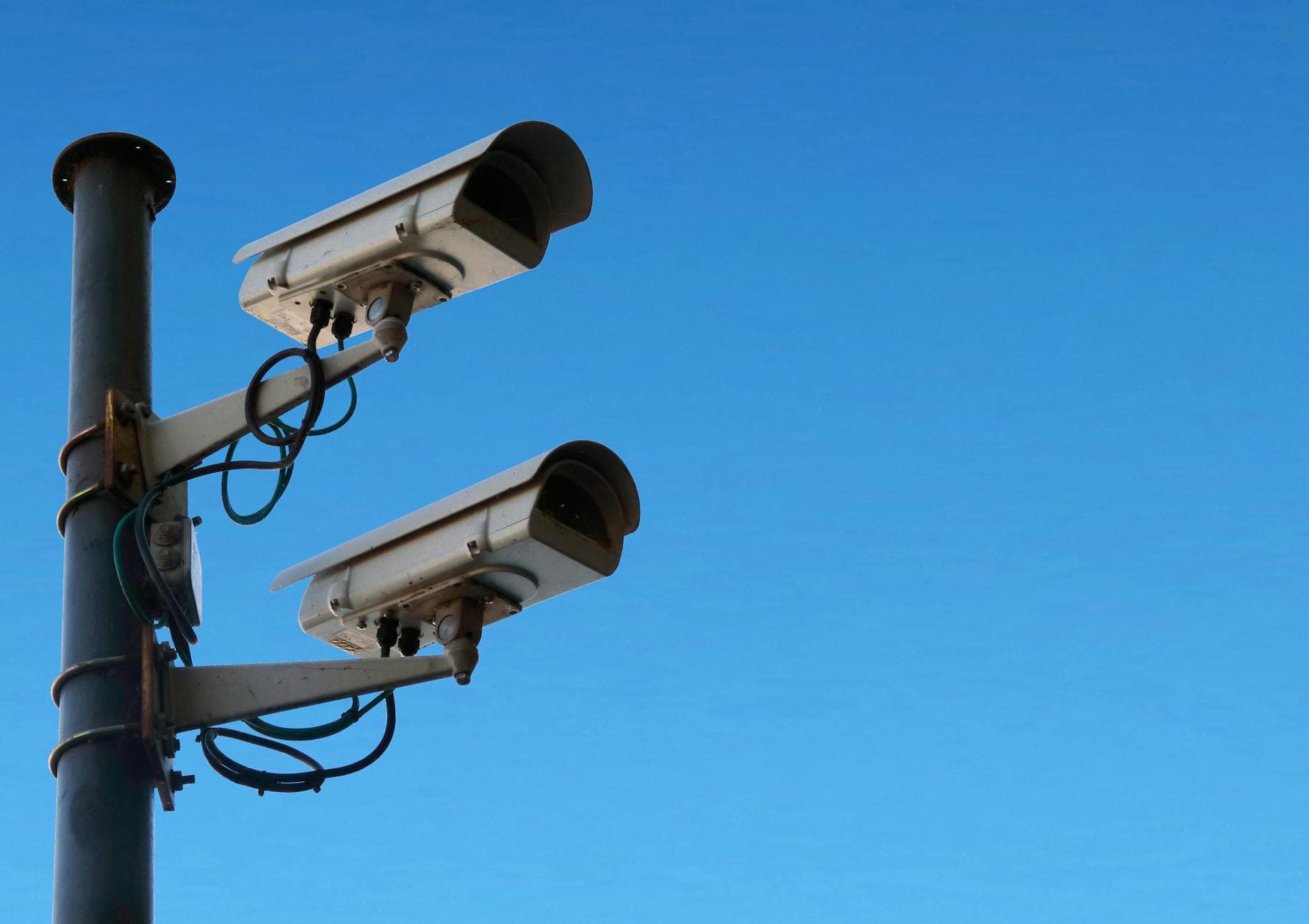
The House moved under deadline pressure on Wednesday to extend Section 702 of the Foreign Intelligence Surveillance Act, after leaders canceled Tuesday votes and pushed floor consideration back as the authority headed toward a Thursday expiration. The Rules Committee cleared the path by a 9-4 vote on April 28, leaving Congress a narrow window to act before the current sunset date of April 30, 2026.
Section 702 is one of the most consequential surveillance tools in Washington. It allows U.S. intelligence agencies to target foreigners abroad, but communications involving Americans can also be swept up when those Americans interact with the foreign targets. That overlap has made the program central to years of clashes over national security, privacy and warrantless surveillance.
Congress last reauthorized the authority in April 2024 through the Reforming Intelligence and Securing America Act, which set a two-year clock that was originally due to run out on April 20, 2026. Lawmakers later approved a 10-day extension, giving the program until April 30 to avoid a lapse. The issue now is whether Congress will settle the dispute with another short-term patch or use the deadline to force deeper changes.
House Intelligence Committee Ranking Member Jim Himes tried to sharpen the reform debate on April 14 with an amendment that would require the Justice Department to obtain a court order before the FBI could access query results involving U.S. persons, political organizations and nonprofits, with limited national-security exceptions. The proposal reflected one of the main complaints from civil-liberties advocates: that the government can still use Section 702 data to search for information about Americans without enough judicial oversight.
Senate Republicans Tom Cotton and Chuck Grassley took a different approach on April 17, introducing a bill to extend Section 702 for three years. Supporters in the executive branch have long described the authority as essential to intelligence operations, and the White House backed the 2024 reauthorization before the earlier deadline. But the ACLU and other critics argued that the 2024 law expanded the government’s spying power without fixing the constitutional problems at the center of the program.
If Congress lets Section 702 lapse, the immediate impact would be political as much as operational: lawmakers would be choosing, at the last minute, whether to preserve a major surveillance power, narrow it with new warrant requirements, or force agencies to rely on other existing certifications while the legal fight continues. The decision now sits with Congress, and the clock is down to hours.
This article was produced by Prism’s automated news system from verified source data, official records, and press releases, then run through automated quality and moderation checks before publishing. The system is built and supervised by the people who set the standards it runs under. Read our full AI policy.
Did this article answer your question?

