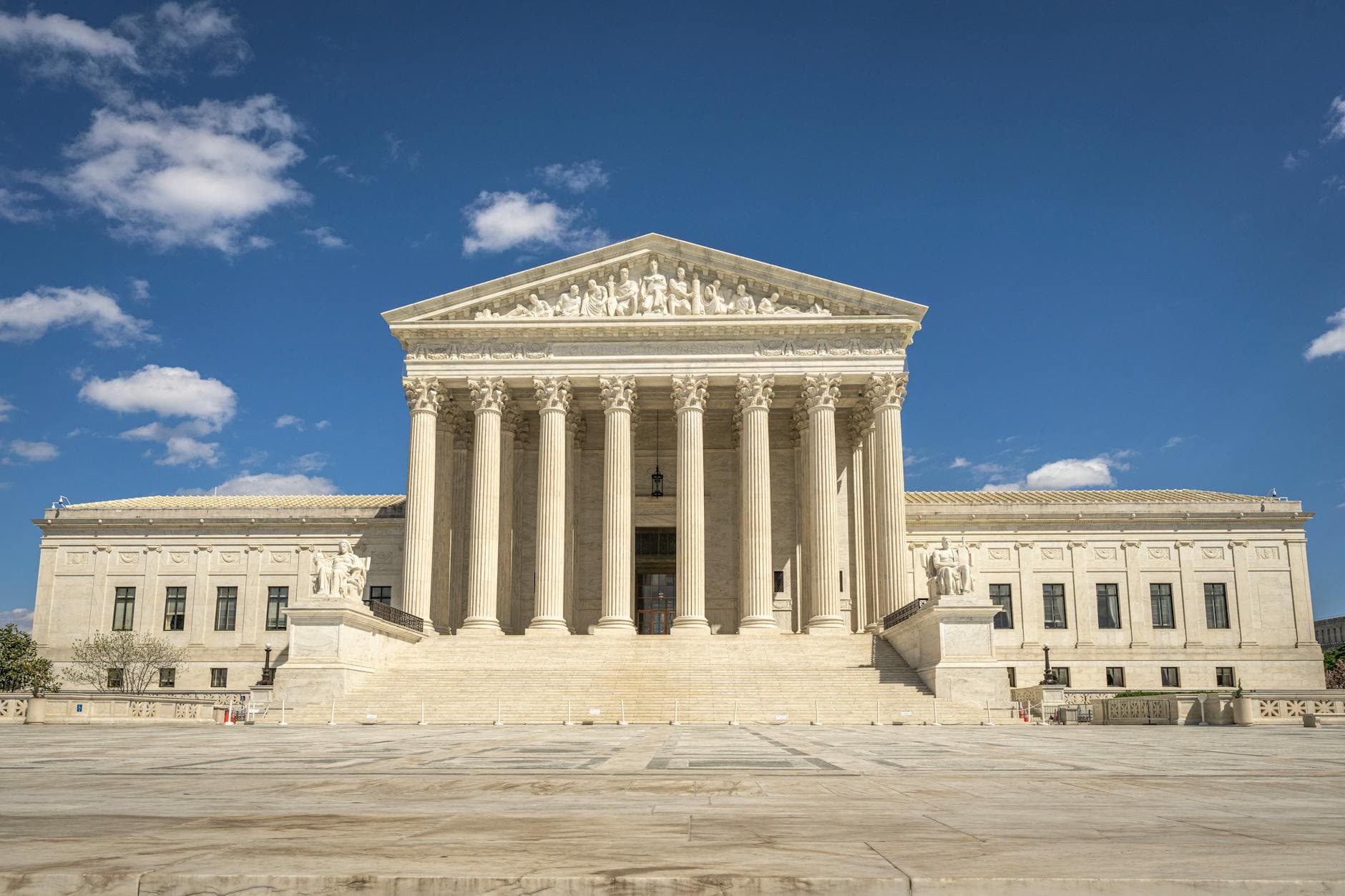
Supreme Court strikes down Louisiana voting map, limits race-based redistricting
A 6-3 Supreme Court ruling knocked out Louisiana’s second Black-majority district and narrowed the legal path for lawmakers to protect minority power.
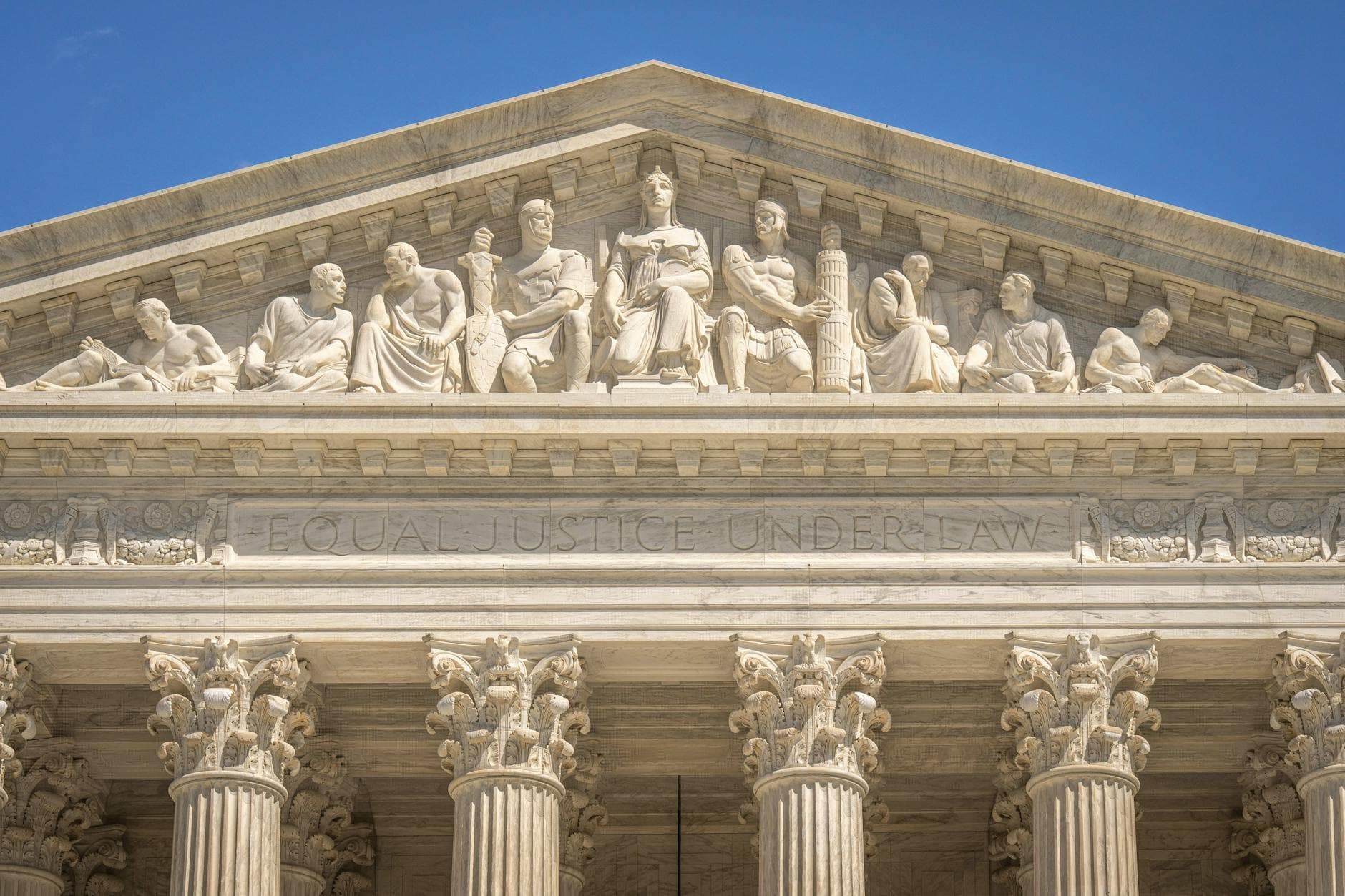
The Supreme Court threw out Louisiana’s congressional map and left in place an injunction blocking its use, delivering a ruling that makes it harder for lawmakers to draw majority-minority districts under Section 2 of the Voting Rights Act. In Louisiana v. Callais, the justices said the state’s 2024 map amounted to an unconstitutional racial gerrymander, a decision written by Justice Samuel Alito and joined by the Court’s conservative majority.
The fight centered on SB 8, the map Louisiana lawmakers enacted in 2024 after federal courts said the state’s earlier 2022 plan likely diluted Black voting power in central Louisiana. That earlier map had left Black voters, who make up a large share of the state’s electorate, packed into just one congressional district. The new map created a second majority-Black district, but opponents argued that lawmakers went too far in using race to connect far-flung communities across more than 200 miles, from Shreveport to Alexandria, Baton Rouge and Lafayette.
The case moved through a long procedural path before the final ruling. The Supreme Court first heard arguments in March 2025, then ordered the case argued again after asking for briefing on whether intentionally creating a second majority-Black district violated the Fourteenth or Fifteenth Amendments. The dispute, docketed as No. 24-109 and consolidated with Robinson v. Callais, kept Louisiana’s congressional delegation under pressure while the lower-court injunction remained in force.
The practical effect reaches beyond one map. The ruling narrows the room states have to use race-conscious redistricting to comply with the Voting Rights Act, and it is expected to shape how legislatures redraw lines ahead of the 2026 midterm elections. Civil rights advocates warned that the decision could weaken minority voting power nationally. The ACLU said it “eviscerates Section 2 of the Voting Rights Act” and opens the door to discriminatory maps.
The Louisiana decision also fits a broader pattern. The Court’s 2023 Alabama redistricting ruling already narrowed how states could defend maps with race-based remedies, and Friday’s decision pushed that trend further. For Black voters in Louisiana and beyond, the ruling means fewer legal tools when majority-white legislatures draw districts that can dilute political influence, even after a court has found the old lines likely violated federal law.
Know something we missed? Have a correction or additional information?
Submit a Tip