House of Lords ends hereditary peers’ right to sit and vote
Parliament has finally cut the last hereditary link to the Lords, ending a 700-year anomaly after 81 hereditary peers still held seats and votes.
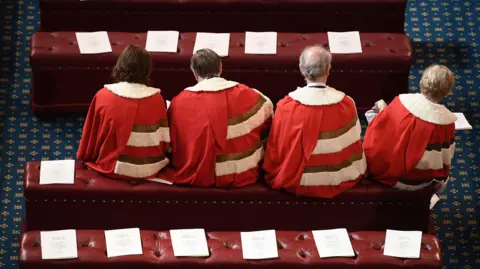
The House of Lords has closed the last remaining route by which a seat in Westminster could be handed down by birth, ending a constitutional anomaly that survived long after the broader case for hereditary lawmaking had faded. The House of Lords (Hereditary Peers) Act 2026 removes the right of hereditary peers to sit and vote, stripping away a system that still gave 81 hereditary peers a place in the chamber and made them about 11% of its membership.
The reform did not arrive overnight. The House of Lords Act 1999 had already removed most hereditary peers, but left 92 “excepted” members in place as part of a compromise, pending wider reform. When vacancies among those peers were still being filled through by-elections, Parliament suspended the process in July 2024 and moved toward ending the arrangement altogether. The Lords rejected attempts to preserve the exemption on 10 March 2026 by 259 votes to 77, and the bill received Royal Assent on 18 March 2026.
In practice, the change reshapes who holds influence inside the upper chamber. Around half of the hereditary peers sitting in March 2026 were Conservatives and more than a third were Crossbenchers, so their departure removes an unusual bloc that had survived on inherited status rather than appointment or election. Some are expected to return as life peers after the government offered additional opposition and Crossbench life peerages, but that would shift their authority onto a different constitutional basis, one tied to appointment rather than ancestry.
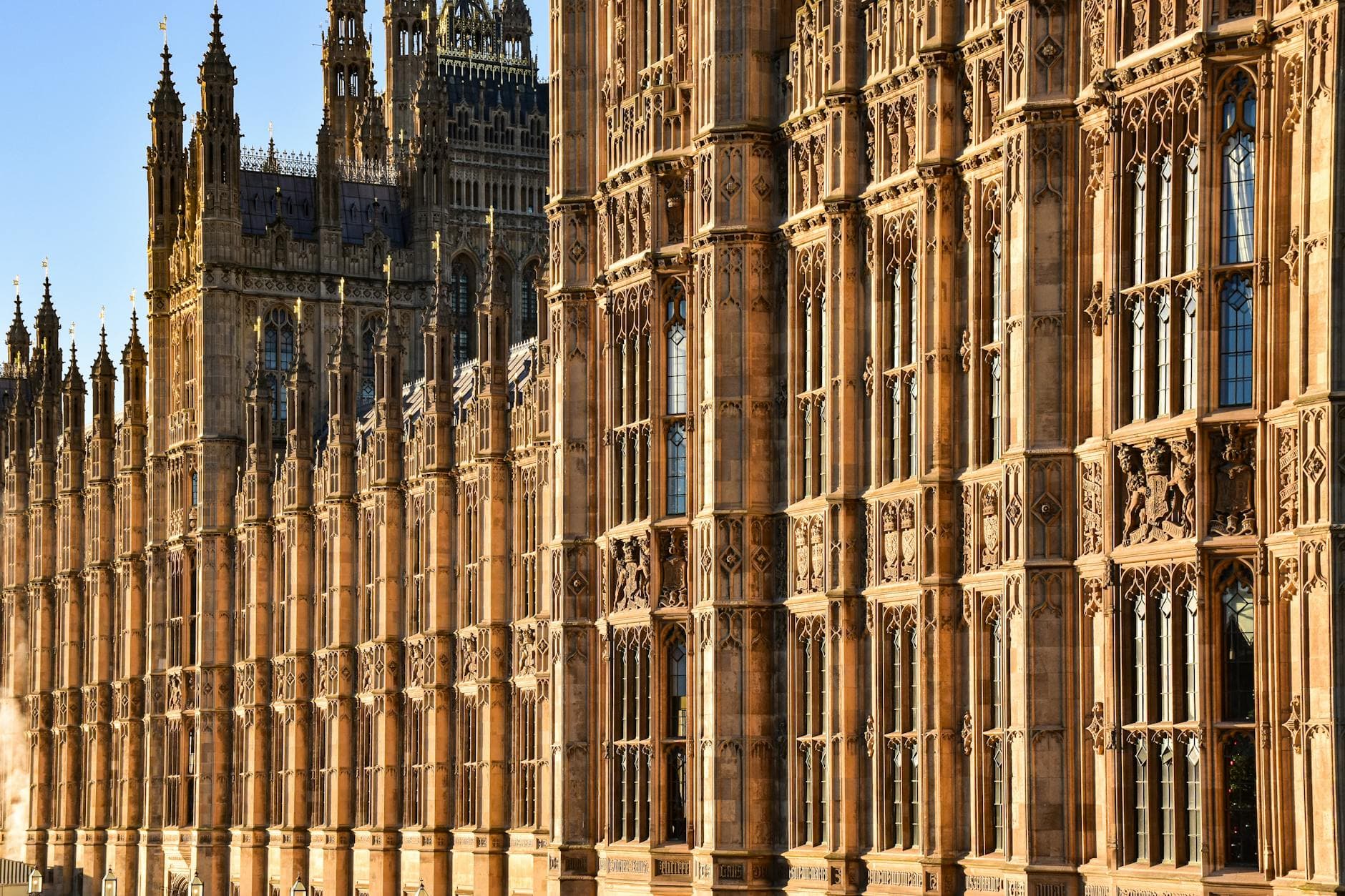
The Act also reaches beyond membership itself. It makes provision for resignation from the House of Lords and abolishes the House of Lords’ jurisdiction over claims to hereditary peerages, cutting another formal link between the chamber and the old peerage system. The House of Lords Library has described the change as the end of a 700-year-old system, a signal that the argument is no longer about preserving a relic of parliamentary history but about whether the upper chamber can claim democratic credibility while any seat remains available through inheritance.
That leaves a sharper question for the next phase of reform. Removing hereditary peers makes the Lords less defensible as a chamber shaped by privilege of birth, but it does not make it democratic. If anything, it pushes the chamber further toward appointment and the discretion of government, leaving ministers with even greater influence over who sits under the gilded ceiling at Westminster. The old anomaly is ending; the argument over what should replace it is now unavoidable.
This article was produced by Prism’s automated news system from verified source data, official records, and press releases, then run through automated quality and moderation checks before publishing. The system is built and supervised by the people who set the standards it runs under. Read our full AI policy.
Did this article answer your question?

